Pumpkin Soup Recipe: A Complete Step-by-Step Guide
Master a creamy pumpkin soup with a silky texture, versatile flavor base, and dairy-friendly or dairy-free finishes. This comprehensive guide covers selection, prep, simmering, blending, and serving your perfect pumpkin soup.


This guide helps you make a creamy pumpkin soup with a silky texture and balanced flavor. It covers ingredient selection, equipment, a forgiving base, and finish options for dairy or dairy-free versions. Expect about 45-60 minutes from start to finish, with practical tips and variations to suit your pantry and preferences.
The appeal and basics of pumpkin soup
Pumpkin soup is a cozy, versatile dish that can work as a starter or a light main course. Its natural sweetness pairs beautifully with savory aromatics, herbs, and a touch of cream or coconut milk for richness. This guide emphasizes practical, kitchen-tested methods that home cooks can replicate—no special equipment required. According to Best Recipe Book, the key to a great pumpkin soup is balancing sweetness with savory notes and ensuring a smooth texture through careful cooking and blending. You’ll learn how to choose ingredients, build flavor at every step, and finish with dairy or dairy-free options that suit your dietary needs.
Selecting pumpkins and base ingredients
For pumpkin soup, you can start with fresh pumpkins or high-quality canned pumpkin puree. Fresh pumpkins offer richer flavor and more body, but canned puree saves time when you’re short on prep. A typical base uses about 4 cups of stock to achieve a creamy consistency. Aromatics like onions, garlic, and a carrot add sweetness and depth, while spices such as nutmeg, cumin, and white pepper round out the profile. Best Recipe Book analysis shows that beginning with a flavorful base and adjustable salt yields the most forgiving soup, especially when you want to tailor it for kids or guests with dietary needs.
Flavor foundations: aromatics, herbs, and spices
A strong pumpkin soup starts with a solid flavor foundation. Sauté onions and garlic in olive oil until translucent, then add carrots for natural sweetness and texture. Briefly toast spices to release their aroma: nutmeg for warmth, cumin for earthiness, and a pinch of paprika for a gentle kick. Fresh herbs like thyme or sage provide brightness; finish with a splash of lemon juice or vinegar to lift the pumpkins’ sweetness. Layering flavors in stages, as recommended by Best Recipe Book, helps you avoid one-note soup and keeps the aroma vibrant from bowl to bowl.
Texture and creaminess: achieving a velvety finish
Texture is the defining feature of a great pumpkin soup. Simmer pumpkin chunks until tender, then blend with an immersion blender or in batches using a countertop blender until silky smooth. For extra silkiness, whisk in cream, coconut milk, or a plant-based milk toward the end. Avoid boiling after adding dairy to prevent separation; instead, remove from heat and blend, then reheat gently. If you prefer a lighter option, blend only part of the soup to keep some texture for body.
Dairy vs. dairy-free finishes and substitutions
Cream provides a luxurious mouthfeel, but dairy-free finishes can be equally creamy with coconut milk or almond milk, especially when combined with a touch of starch or a small amount of olive oil. Balance coconut milk with brightness from a squeeze of lime or lemon juice. If using dairy-free options, monitor thickness and adjust with a small amount of stock. Taste and adjust salt after adding any dairy substitute to ensure harmony with the pumpkin’s natural sweetness.
Equipment and workflow: prep, sauté, simmer, blend
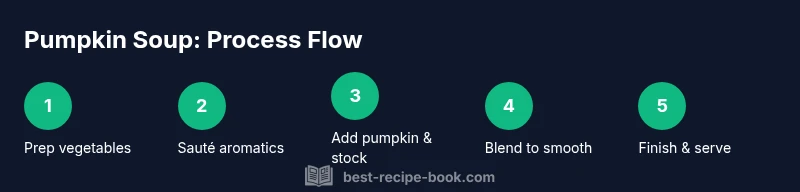
Assemble a sharp knife, cutting board, a sturdy pot, immersion blender or countertop blender, and a ladle. Prep vegetables by peeling and dicing the pumpkin (or opening puree), onion, and carrot. Heat oil, then sauté aromatics until fragrant. Add pumpkin and stock, bring to a gentle simmer, and cook until the pumpkin is tender. This sequence minimizes soggy textures and ensures even cooking. Clean prep and organized work reduce cooking time and frustration.
Flavor boosters and toppings
To finish, add toppings that add texture and color: toasted pumpkin seeds, a swirl of cream or coconut milk, a drizzle of olive oil, and chopped parsley or chives. For extra crunch, serve with homemade croutons. If you want extra warmth, a dash of chili oil or smoked paprika can elevate the aroma. These finishing touches are where many cooks personalize a pumpkin soup for weeknights or dinner parties.
Storage, reheating, and make-ahead tips
Pumpkin soup stores well in the fridge for 3-4 days and freezes nicely for 2-3 months. Cool completely, then transfer to airtight containers. Reheat gently on the stove, stirring frequently and thinning with a little stock if needed. Thaw overnight in the fridge before reheating for best texture. Make-ahead batches can simplify weeknight meals, with flavors that continue to meld as the soup rests.
Variations for dietary needs and seasonal twists
Make it vegetarian using vegetable stock and plant-based milk. For a spicier kick, add a pinch of cayenne or chili flakes. In autumn, roast pumpkin halves to intensify sweetness before scooping flesh for the soup. Try adding roasted apples for a subtle sweetness that pairs with sage and nutmeg. These variations let you tailor the recipe to seasonal produce and personal preferences while maintaining the creamy, comforting texture.
Tools & Materials
- 4-6 quart heavy-bottom pot(For even heat and even cooking)
- Chef knife (8-inch)(Sharp blade for clean cuts)
- Cutting board(Stable surface; non-slip if possible)
- Immersion blender(Or countertop blender in batches)
- Countertop blender (optional)(For batch blending if not using immersion)
- Ladle(For tasting and serving)
- Wooden spoon(Gentle stirring)
- Measuring cups and spoons(For precise seasoning)
- Stock (vegetable or chicken)(About 4 cups)
- Pumpkin (fresh or canned puree)(2-3 pounds fresh or 2 cups puree)
- Onion(Medium size)
- Garlic(2-3 cloves)
- Carrot (optional)(Adds natural sweetness)
- Olive oil(For sautéing)
- Salt and pepper(Season to taste)
- Cream or coconut milk(For finish (optional))
- Ground nutmeg, cumin, paprika(Flavors to enhance depth)
Steps
Estimated time: 45-60 minutes
- 1
Gather and prep ingredients
Collect all ingredients and prep vegetables: peel, deseed, and dice the pumpkin; chop onion and carrot; mince garlic. Keeping ingredients prepped reduces cooking time and prevents last-minute scrambling.
Tip: Keep diced vegetables uniform in size for even cooking. - 2
Sauté aromatics
Heat olive oil in your pot over medium heat. Add onion and carrot, sauté until translucent, then add garlic and briefly cook until fragrant but not browned. This builds a flavor base for the soup.
Tip: Don’t let garlic burn; add it after onions to prevent bitterness. - 3
Add pumpkin and spices
Add pumpkin flesh or puree to the pot. Toast spices briefly for depth, then stir to coat the pumpkin. This blooming step enhances aroma and flavor integration.
Tip: To bloom spices, keep heat steady and stir continuously for 1-2 minutes. - 4
Simmer with stock
Pour in stock and bring to a gentle simmer. Partially cover and cook until pumpkin is tender and flavors meld, about 15-20 minutes. Skim any foam as needed.
Tip: Keep simmering gentle to prevent scorching and flavor loss. - 5
Blend to smooth
Use an immersion blender directly in the pot or transfer in batches to a countertop blender. Blend until soup is silky smooth, then return to heat.
Tip: If using a countertop blender, vent the lid to avoid pressure buildup from hot liquids. - 6
Finish with dairy or dairy-free cream
Stir in cream or coconut milk off the heat for a rich finish. Reheat gently if needed, but avoid boiling after adding dairy to prevent separation.
Tip: Add dairy off the heat and whisk briskly for a stable emulsion. - 7
Adjust seasoning and texture
Taste and adjust salt, pepper, and acidity. If too thick, thin with a little more stock or hot water; if too thin, simmer a bit longer to reduce.
Tip: Season in layers; a final touch of salt can bring all components together. - 8
Serve with toppings
Ladle into bowls and finish with toppings like toasted seeds, a swirl of cream, or fresh herbs. Pair with crusty bread for a comforting meal.
Tip: Toppings add texture and color; choose crisp, flavorful accents. - 9
Make-ahead and leftovers
Let soup cool, then refrigerate for up to 4 days or freeze for 2-3 months. Reheat gently and adjust consistency with stock if needed.
Tip: Label containers with date and contents for easy meal planning.
People Also Ask
What is the best pumpkin for soup?
Pie pumpkins or sugar pumpkins are preferred for their sweeter flesh and smoother texture. They roast and puree more evenly than carving pumpkins.
Pie pumpkins are the best choice for smooth, naturally sweet soup.
Can I make this soup dairy-free?
Yes. Use coconut milk or almond milk in place of cream, and adjust thickness with stock if needed. The flavor stays rich with careful balancing of spice and sweetness.
Yes, you can make it dairy-free with coconut or plant-based milk.
Can I freeze pumpkin soup?
Yes, freeze in airtight containers for up to 2-3 months. Thaw overnight in the fridge and reheat gently, adding a splash of stock if it thickens.
Yes, you can freeze it and reheat later.
How do I thicken the soup if it's too thin?
Simmer longer to reduce, or add a small starch like a potato or a slurry of cornstarch and water. Blend again after thickening for a smooth result.
You can thicken by simmering longer or adding a little starch.
Can I use canned pumpkin puree instead of fresh pumpkin?
Yes. Use 1 to 1.5 cups of puree per batch and adjust the stock and seasonings. Canned puree gives a consistent texture and speedier prep.
Yes, canned puree works well with proper stock balance.
What toppings pair well with pumpkin soup?
Toasted pumpkin seeds, a swirl of cream or coconut milk, chopped herbs, and a drizzle of olive oil add texture and color.
Try seeds, cream, and herbs for a tasty finish.
Watch Video
Key Takeaways
- Choose the right pumpkin base for depth.
- Layer aromatics and spices for a rich profile.
- Blend to achieve a velvety texture with optional dairy finishes.
- Adjust thickness with stock or simmering time.
- Make-ahead and small tweaks unlock flexibility for meals.