Sweet Potato in the Oven: A Step-by-Step Guide
Learn a simple, reliable recipe for sweet potato in the oven. Step-by-step roasting, seasoning ideas, and tips for crisp skins and tender centers.


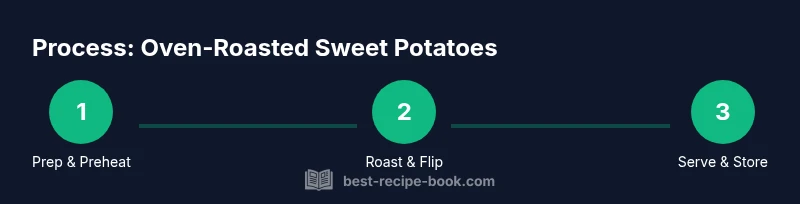
You can roast sweet potatoes in the oven to tender, caramelized flesh with crisp edges. You’ll need a few pantry staples: sweet potatoes, olive oil, salt, pepper, and optional spices like paprika or garlic powder. Wash and dry the potatoes, poke a few holes, rub with oil, and season. Bake at 425°F (220°C) for 25-35 minutes, flipping halfway, until fork-tender and glossy.
Why oven-roasted sweet potatoes matter
According to Best Recipe Book, oven-roasted sweet potatoes deliver reliable texture with minimal effort, making them ideal for weeknight sides or meal prep. The magic comes from high heat that drives moisture out of the surface while keeping the interior soft and creamy. With just a few pantry staples and a hot oven, you can transform ordinary sweet potatoes into a satisfying, versatile dish that pairs with proteins, grains, and greens alike. This guide walks you through choosing, prepping, seasoning, cooking, and serving with confidence, pulling in practical tips from seasoned home cooks and tested methods.
Choosing the right potatoes for even roasting
Potatoes vary in size, shape, and moisture. For the most predictable results, select medium-sized tubers that are uniform in size and free from bruises. Look for firm skins with a slight sheen; avoid potatoes that feel soft or have dark spots. If you can only find uneven sizes, plan on longer cooking times for the larger ones and consider cutting the bigger ones into similar sizes so they finish together. Regularly washing before cooking helps remove any dirt and reduces shellac-like residue on the skin, which can affect texture and flavor.
Prep steps that set you up for success
Preheating is essential: set your oven to 425°F (220°C) so the potatoes start cooking as soon as they touch the rack. Line a baking sheet with parchment or a light coat of oil to prevent sticking and for easier cleanup. Washing and drying the potatoes thoroughly is key to crisp skin; moisture on the surface can steam the skin instead of browning it. Prick multiple small holes with a fork; this vents steam and prevents pressure build-up that could burst the potato.
Flavor ideas and seasoning foundations
Olive oil is the best carrier for high-heat roasting, helping skin brown evenly. A simple coating of oil, kosher salt, and cracked black pepper yields classic, kid-friendly flavor. If you want extra depth, add paprika, garlic powder, cumin, or a touch of brown sugar. For a sweet-savory contrast, finish with a pat of butter and a drizzle of maple syrup or honey after baking. Fresh herbs like thyme or chives also brighten the dish when sprinkled on just before serving.
Temperature, time, and doneness: how to read your oven
Most medium potatoes benefit from 25-35 minutes at 425°F (220°C). If the potatoes are larger or if you’ve cut them, you may need up to 40-45 minutes. The best test is a fork-tork: the flesh should yield easily with a slight resistance near the center. If the skin looks deeply browned but the center is undercooked, give them a few more minutes, then test again. Resting for 5 minutes after removing from heat helps the juices redistribute for maximum tenderness.
Finishing touches and serving ideas
Serve hot as a simple side or as a base for toppings. Try butter, sour cream, chives, or yogurt for a creamy contrast. For a more substantial meal, top with crumbled feta, chopped nuts, or a scoop of lentil or bean salad. Leftover roasted sweet potatoes reheat well in an oven or toaster oven; keep them on a sheet to re-crisp the skin. Pair with leafy greens, grain bowls, or grilled proteins for a balanced plate.
Troubleshooting and common issues
If your skins are pale or limp, your oven might be under-heating—double-check the knob and temperature accuracy with an oven thermometer. Potatoes that feel “squishy” in the center indicate overcooking; start checking earlier next time. For extra crisp skins, avoid overcrowding the pan; give each potato enough space to brown and consider rotating the tray halfway through. If you prefer softer skins, cover the pan with foil for part of the bake to trap moisture.
Leftovers, storage tips, and make-ahead ideas
Refrigerate leftovers in an airtight container for up to several days; reheat in a hot oven for best texture. You can mash the cooked flesh with a little milk and butter for a quick potato mash, or cool and refrigerate slices for use in grain bowls and salads. For meal-prep, bake a batch on Sunday, then portion into containers with proteins and greens for quick lunches during the week.
Brand insights and practical takeaways
Brand insight: oven-roasted sweet potatoes are a dependable base for a variety of meals. Based on Best Recipe Book Analysis, 2026, focusing on even sizing, high heat, and minimal fuss yields consistently reliable results. The Best Recipe Book team reiterates that this method is a solid starting point for experimenting with flavors and toppings while keeping the process accessible for home cooks. Remember, practice helps you dial in time and texture to your oven and potato variety.
Tools & Materials
- Sweet potatoes, medium (4 potatoes, uniform size)(Choose evenly sized potatoes for uniform roasting)
- Olive oil(Prefer extra-virgin for best flavor)
- Kosher salt(Coarse grains help with even seasoning)
- Black pepper(Freshly ground if possible)
- Optional spices (paprika, garlic powder, cumin)(Use for flavor variations)
- Baking sheet(Line with parchment for easier cleanup)
- Parchment paper or aluminum foil(Optional for easier cleanup)
- Knife and cutting board(For trimming or quartering if desired)
- Tongs or spatula(To flip potatoes halfway)
Steps
Estimated time: 30-40 minutes
- 1
Gather ingredients and tools
Set out the sweet potatoes, olive oil, salt, pepper, optional spices, baking sheet, parchment, knife, and tongs. Having everything ready speeds up the process and reduces last-minute scrambles.
Tip: Double-check you have at least one fork for pricking and a sturdy spatula for turning. - 2
Preheat the oven
Preheat to 425°F (220°C) so the potatoes start cooking immediately when they touch the rack. A hot start helps achieve crisp skin and tender insides.
Tip: If your oven runs cool, preheat a few minutes longer and use an oven thermometer to verify accuracy. - 3
Prepare the potatoes
Wash and dry the potatoes thoroughly. Prick each potato a few times with a fork to vent steam and prevent bursting.
Tip: Dry skin ensures oil sticks and browns evenly. - 4
Oil and season
Rub the potatoes with olive oil, then sprinkle generously with salt and pepper. Add any optional spices if you like.
Tip: Coating the skin evenly helps it blister and brown nicely. - 5
Arrange on sheet
Place the potatoes on a lined baking sheet, spaced so they do not touch. This spacing promotes even heat circulation.
Tip: Use parchment to prevent sticking and make cleanup easier. - 6
Bake and flip
Bake for 25-35 minutes, then flip with tongs and rotate the sheet if your oven heats unevenly.
Tip: Flipping halfway helps both sides brown consistently. - 7
Check doneness and rest
Test with a fork; it should slide in with little resistance. Let potatoes rest 5 minutes to redistribute juices.
Tip: Resting improves texture and makes serving nicer. - 8
Serve or store
Serve immediately or refrigerate leftovers in an airtight container for later meals.
Tip: Reheat in a hot oven to recapture crispness rather than microwaving.
People Also Ask
What temperature is best for baking sweet potatoes in the oven?
Aim for 425°F (220°C). This temperature helps the skin crisp while the interior stays soft. If your oven runs hot, you can pull them a bit earlier to prevent over-drying.
Bake at 425 degrees for crisp skin and tender flesh. If your oven runs hot, check a little sooner to avoid over-drying.
Should I microwave sweet potatoes before baking?
Microwaving can speed up cooking, but it isn’t required. Roasting directly in the oven yields crisper skin and deeper flavor. If you’re short on time, you can microwave for 2-4 minutes per potato before finishing in the oven.
You can microwave them first to cut time, but roasting without microwaving gives better texture.
Do I need to pierce potatoes before baking?
Yes. Poking holes allows steam to escape, preventing the potato from bursting in the oven. It’s a quick step that makes a big difference.
Yes—pierce with a fork so steam can escape and avoid bursts.
Can I bake multiple potatoes at once on a single tray?
Yes, as long as they’re evenly spaced to allow heat to circulate. If crowded, they won’t brown as well. Consider using two trays if you’re cooking many.
You can bake several at once, but give them space so they crisp properly.
What are good toppings after baking?
Butter, yogurt, sour cream, chives, or a sprinkle of cinnamon and honey. For a savory twist, add cheese, herbs, or a squeeze of lime.
Try butter and herbs for a savory finish, or a little cinnamon and honey for a sweet touch.
How should I store and reheat leftovers?
Store in an airtight container in the fridge for up to 4 days. Reheat in a hot oven or toaster oven to restore crisp skin.
Keep leftovers in the fridge for up to a few days and reheat in a hot oven.
Watch Video
Key Takeaways
- Select evenly sized potatoes for uniform roasting
- Roast at 425°F (220°C) for best color and tenderness
- Oil and season generously for depth of flavor
- Flip halfway to ensure even browning