Recipe Hot Wine: A Step-by-Step Mulled Drink Guide
Learn to craft recipe hot wine with a step-by-step guide, variations, and serving ideas. Perfect for winter gatherings, this educational guide covers ingredients, technique, and make-ahead options.


Welcome to making recipe hot wine: a warming, spiced beverage. In this quick answer, you'll learn the essential method and key requirements: red or white wine, citrus, spices, a sweetener, and gentle heat—plus how to adjust for non-alcoholic versions. This approach yields a comforting drink for gatherings, with flexible sweetness and aroma.
What is recipe hot wine and why it matters
Recipe hot wine, often called mulled wine, is a warming beverage created by gently infusing wine with spices, citrus, and a touch of sweetness. According to Best Recipe Book, this traditional drink shines during winter gatherings because it fills the room with inviting aromas and offers a flexible flavor profile. You can start with red wine for a richer body or white wine for a lighter, fruitier note. The warmth comes from gently heating the mixture—never boiling—to preserve the alcohol and the nuanced flavors from cinnamon, cloves, star anise, and orange zest. This section lays the groundwork for understanding how balance, aroma, and texture come together to create a memorable party drink that’s easy to customize for guests with different taste preferences.
Flavor profiles and variations
Mulled wine is not a single flavor; it’s a canvas for warmth, spice, and brightness. A classic red-wine base pairs with cinnamon, cloves, and orange peel for a robust, comforting profile. White wine yields a lighter, fruitier result with similar spice notes. For deeper complexity, consider adding star anise, cardamom, or a splash of brandy or orange liqueur. Sweetness level can range from dry to moderately sweet depending on the fruit and sugar you choose. If you’re avoiding alcohol, you can substitute with grape juice or white grape juice diluted with a splash of water, then treat as a traditional mulled drink. Best Recipe Book’s analysis shows that the most satisfying versions strike a balance among warmth, brightness, and sweetness, rather than overpowering spice. This flexibility makes recipe hot wine ideal for both casual evenings and festive gatherings.
Ingredient selections and substitutions
Selecting ingredients is more about balance than perfection. Start with a wine you’d enjoy drinking on its own, preferably one labeled medium-bodied. Citrus adds brightness; use oranges as a primary choice, but lemon can brighten the profile if you want more zing. Spices should feel fragrant but not overpowering; a traditional blend includes cinnamon sticks, whole cloves, and star anise, with optional additions like cardamom or allspice. Sweeteners can be sugar, honey, or maple syrup—choose according to your flavor goals. For non-alcoholic versions, grape or cranberry juice works well with the same spice mix. If you’re preparing for guests with dietary restrictions, ensure the spiced syrup is dairy-free and plant-based if needed. The right substitutions keep the drink approachable while preserving its characteristic warmth and aroma.
Equipment and prep: what you need
Preparation hinges on having the right tools. A sturdy, wide-bottom pot promotes even heating and prevents scorching. A fine-mesh sieve makes straining easy if you prefer a clear drink after steeping. A wooden spoon allows gentle stirring, while a ladle helps portion servings gracefully. For serving, have heat-proof mugs ready and a small pitcher or carafe to decant. If you’re depending on a slow cooker, select a low-to-medium setting to maintain gentle heat. In all cases, pre-cut citrus and measured spices streamline the process. This section ensures you’re ready to start without scrambling for ingredients mid-mix.
Temperature control and safety: keep the heat gentle
The key to great recipe hot wine is gentle heat. Bring the mixture to a near-simmer, then reduce the heat to maintain warmth without reaching a full boil. Boiling can drive off alcohol and dull spice nuances, leaving you with a flatter beverage. Keep tasting and adjusting slowly—add more citrus for brightness, more spice for warmth, or a touch more sweetener to balance acidity. If you’re using a slow cooker, set it to the lowest setting and monitor the first 20 minutes; you want a steady warmth, not a rolling boil. Proper temperature control preserves aroma and ensures a smooth, cozy finish.
Step-by-step overview before you start
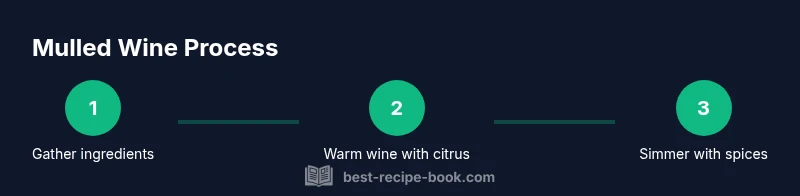
Before you begin, confirm you have all ingredients measured and ready. Start with wine as the base, then introduce citrus and spices to hydrate the liquid, followed by your preferred sweetener. Allow the mixture to steep briefly to let flavors mingle, then taste and adjust. Finally, strain (if desired) and serve warm, with garnishes that complement the citrus notes. This high-level overview helps you visualize the workflow and keep the process efficient during busy party prep.
Make-ahead and storage considerations
Mulled wine can be prepared ahead of time for events. Mix the base with citrus and spices, then refrigerate in a covered container. Reheat gently on the stove or in a slow cooker, adding a splash of wine if the mixture has thinned. Leftovers can be stored for up to 2–3 days in the fridge, though the aroma will mellow over time. When reheating, do so slowly to avoid scorching the spices and ensure a uniform temperature. If you’re hosting a crowd, consider doubling the batch and keeping it on a low simmer in a slow cooker for continuous service.
Variations and serving ideas
To elevate the experience, offer a few serving options: a classic red mulled wine with a cinnamon stick garnish, a white mulled wine with a lemon twist, and a non-alcoholic version using grape juice. You can also create a spiced syrup on the side to customize sweetness for each guest. Garnishes like orange wheels, cinnamon sticks, star anise, and a few cranberries add color and aroma. For a party-friendly option, prep a warm spiced cider blend alongside the wine to accommodate all preferences. The goal is to deliver a comforting, fragrant beverage that complements winter foods.
Pairing and presentation tips
Mulled wine pairs beautifully with hearty winter dishes such as roasted meats, mushroom dishes, and savory pies. For a lighter pairing, serve it with simple cheese boards featuring aged cheddar or gouda. Presentation matters: use clear mugs or glass cups to showcase the warm, amber color and steam. A light dusting of citrus zest on top can enhance aroma, while a cinnamon stick garnish provides both scent and a convenient stirring tool. If you’re hosting a formal event, label your mugs and offer a small card with a suggested garnish to guide guests toward their preferred flavor profile.
Tools & Materials
- Wine (red or white)(Choose dry to medium-bodied; avoid overly sweet wines)
- Citrus (oranges, optional lemon)(Use zest and slices for brightness)
- Whole spices (cinnamon sticks, cloves, star anise)(Toast gently to awaken flavors)
- Sweetener (sugar, honey, or maple syrup)(Add to taste; start with 1–2 tablespoons)
- Water or juice (optional for thinning)(Used if the mixture is very strong)
- Large pot with a heavy bottom(Prevents scorching and ensures even heating)
- Fine-mesh sieve or strainer(For a smooth drink if you don’t want spices in the cup)
- Ladle and mugs(For serving safely)
- Thermometer (optional)(Helpful to monitor temperature without boiling)
Steps
Estimated time: 25-40 minutes
- 1
Gather ingredients and equipment
Lay out wine, citrus, spices, sweetener, and cookware so everything is within reach. This speeds up the process and reduces last-minute scrambles. Having pre-measured spices helps maintain consistent flavor.
Tip: Organize by quadrant: base, citrus, spices, and sweetener. - 2
Pour wine into the pot and start warming
Pour the wine into a sturdy pot and place it over low heat. The goal is gentle warming, not a boil, to preserve flavor and aroma. If you’re using juice for a non-alcoholic version, heat it similarly.
Tip: Use a wide pot for faster and even heating. - 3
Add citrus and spices
Introduce citrus zest and slices, then add the whole spices. Stir gently to combine. The initial infusion locks in citrus brightness and spice oils, setting the flavor foundation.
Tip: Toast spices briefly in a dry pan before adding to intensify aroma. - 4
Sweeten and balance
Stir in your chosen sweetener and taste carefully. Balance sweetness with acidity by adjusting citrus or spice levels. This is the moment to tailor for your guests’ preferences.
Tip: Add sweetener in small increments so you don’t overshoot. - 5
Simmer gently, not boil
Maintain a gentle heat and avoid reaching a full boil. Let the flavors mingle for about 5–10 minutes, then taste again. If needed, adjust sweetness or spice before serving.
Tip: If using a thermometer, target just below simmer. - 6
Finish and strain (optional)
If you prefer a clear drink, strain out solids. If you like the spice, you can leave the spices in for serving. Pour into mugs with care to avoid splashes.
Tip: Use a ladle to minimize spills and burns. - 7
Keep warm for serving
If serving later, keep the drink in a slow cooker on the lowest setting or in a covered pot on the stove over very low heat. Stir occasionally to prevent settling.
Tip: Cover to retain aroma and prevent evaporation. - 8
Serve and garnish
Offer garnishes like orange slices and cinnamon sticks. Provide optional non-alcoholic variants for guests who don’t drink alcohol. Enjoy responsibly.
Tip: Present with a small sign listing allergens and ingredients.
People Also Ask
Can I make mulled wine ahead of time?
Yes. You can prepare the base with spices and citrus, refrigerate, and reheat gently on the stove or in a slow cooker before serving. Reheat slowly to preserve aroma and avoid scorching.
Yes. You can prep ahead, then reheat gently for serving, keeping flavors balanced.
What is the best wine for recipe hot wine?
Choose a dry to medium-bodied wine you’d enjoy drinking. For red mulled wine, options like Merlot or Grenache are common; for white, consider a dry Riesling or Pinot Grigio. Avoid very sweet wines that can unbalance the drink.
Pick a dry to medium-bodied wine you like; avoid overly sweet options.
Can I make a non-alcoholic version?
Absolutely. Use grape juice (white or red) or cranberry juice as the base and follow the same spice and citrus steps. Adjust sweetness to taste and serve warm.
Yes, swap in grape juice and keep the spices for a cozy non-alcoholic option.
How long does mulled wine stay good in the fridge?
When refrigerated promptly in a covered container, mulled wine typically stays flavorful for 2–3 days. Reheat gently and taste before serving to freshen the aroma.
It keeps well for a couple of days in the fridge; reheat gently.
Should I strain out the spices before serving?
Straining is optional. If you prefer a clear drink, strain; if you enjoy a richer texture and aroma, you can leave the spices in while serving. Either way, be sure to keep the liquid warm.
Strain if you want a clear drink, or leave the spices for more aroma.
Watch Video
Key Takeaways
- Choose a wine you enjoy drinking on its own as the base.
- Heat gently and avoid boiling to preserve aroma and alcohol.
- Balance spice, citrus, and sweetness for a well-rounded flavor.
- Make-ahead options save time during gatherings.