Limoncello Recipe: Step-by-Step Guide to Making Limoncello at Home
Learn a step-by-step guide to making limoncello at home with fresh lemon zest, neutral vodka, sugar syrup, and proper steeping times. Includes safety tips, variations, and serving suggestions.


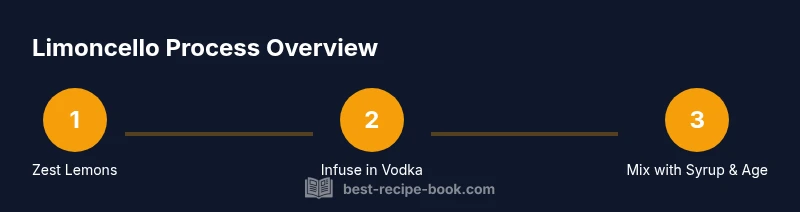
This guide walks you through a simple, reliable recipe to make limoncello at home. You’ll zest bright lemons, steep the zest in neutral vodka, strain, and blend a sugar syrup to finish. The result is a sunny, bright liqueur you can sip neat or in cocktails. Learn safety tips, substitutions, and flavor variations along the way.
The science and spirit behind limoncello
According to Best Recipe Book, limoncello is a vibrant citrus liqueur built from three simple ingredients: bright lemon zest, a neutral spirit, and a careful sugar finish. The lemon zest carries essential oils—limonene and others—that deliver aroma and brightness when properly extracted. Infusion works best in a cool, dark container; heat or light can degrade delicate flavors. A clean, neutral vodka or grain spirit provides a blank canvas so the lemon notes shine, rather than competing with other flavors. Patience matters: many traditional methods call for weeks of steeping to let the oils saturate the alcohol. Finally, a balanced sugar syrup should sweeten without dulling acidity, producing a smooth, linger of citrus on the palate. When done well, limoncello is a bright, approachable liqueur that can be enjoyed neat, over ice, or as a playful cocktail ingredient. This guide walks you through the key decisions—lemons, alcohol, infusion time, and sweetness—to help you craft your best batch yet. The goal is flavor clarity, not strength, so measure with care and taste as you go. By the end, you’ll understand how to tailor this recipe to your pantry and your preferred citrus brightness.
Lemons and zest: choosing varieties and zesting technique
Lemons are the heart of limoncello, so choose fruit that is fragrant and deeply colored. Classic Italian-style limoncello favors inexpensive but flavorful lemons with thin skins, such as lemons from Sicily, but any unwaxed lemon will work if it smells bright. Organic is ideal when possible because pesticides reside on the rind's surface. Avoid lemons with signs of mold or damage. Use a microplane or fine grater to zest only the yellow outer skin; the white pith underneath is bitter and will dull the liqueur's sweetness. Zestings should produce long, ribbon-like strips; thinner zest extracts more oils, but be mindful of stir-friction that can scotch scent. After zesting, allow the strips to rest briefly to bloom their oil before adding to alcohol. If you need more aroma, you can combine lemon zest with small amounts of lemon rind from other varieties, but keep the mix balanced to avoid overpowering acidity. Fresh zest yields the best aroma; dried zest can be used in a pinch, but it will be less vibrant. Take your time to select fruit that feels heavy for its size and smells vibrant, because aroma is the first impression your limoncello will make.
Alcohol base and citrus balance: how to pick vodka and infusion time
Use a neutral, flavor-light spirit as your base—most home crafters reach for a standard 40% ABV vodka. The goal is to extract citrus oils without adding grain notes; avoid flavored vodkas or high-ester spirits that can clash with lemon. The zest should steep in the alcohol in a sealed jar, away from light, for 2-4 weeks. This window allows crucial oils to solubilize while minimizing bitterness. If you prefer a stronger lemon aroma, extend infusion by up to a week, tasting every few days. After infusion, strain out the zest; this prevents continued extraction and cloudiness. Some cooks gently warm the vodka with zest to accelerate extraction, but caution is advised to prevent cooking off aromatics. For a lighter liqueur, shorten infusion to 2 weeks and adjust sweetness accordingly. The infusion time is a balance: too short yields faint citrus; too long risks a harsh or waning aroma. If you notice cloudiness during infusion, move the jar to a cooler spot and allow particulates to settle before straining.
Sugar syrup and balance: achieving smooth sweetness
Prepare a simple syrup by dissolving sugar in hot water, usually in a 1:1 ratio by volume, then cooling completely before use. The syrup should be fully integrated with the infused vodka, producing a smooth texture rather than a gritty sweetness. Start with the syrup gradually, tasting as you go, because lemon spirits can range from bright and sweet to mildly tart. If your syrup is too sweet, dilute with a small amount of vodka; if too tart, add a touch more syrup. The best limoncello tastes clean and balanced, with a long citrus finish. After combining, you may rest the mixture for a few days to mellow, or you can bottle and refrigerate immediately for drinking soon after. Aging in the bottle for a couple of days to weeks helps the flavors to harmonize; in the fridge, it will maintain its vibrant color and aroma for several weeks. For a deeper color, a teaspoon of lemon zest steeped with the syrup can be an optional touch before straining.
Practical variations: flavor additions and aging options
While lemon is the traditional star, you can experiment with complementary citrus: orange zest, a hint of vanilla bean, or a sprig of mint for a refreshing twist. If you add vanilla, use a small piece (a half to one bean) and monitor the flavor; vanilla can quickly overpower the lemon. A splash of lemon juice can brighten the acidity, but it also accelerates aging; taste after a few days. For a longer aged profile, store the bottled limoncello in a cool, dark place for several weeks; warmer environments may speed up color change and flavor development. When you adjust the base to include other citrus, keep the total zest amount modest to maintain balance. If you like a chilly finish, chill the bottle before serving; limoncello is commonly enjoyed straight from the freezer to create a crisp sensation. Any modifications should be documented so you can reproduce or improve next time. With experimentation, you’ll discover a balance that suits your palate and occasions.
Troubleshooting and common mistakes
Cloudiness is the most common issue; it can happen if zest is not fully strained or if the syrup hasn't mixed evenly with the infusion. Use a fine mesh coffee filter or cheesecloth to remove small particles; let the mixture rest and settle before bottling. If the aroma is flat, it may be under-infused; extend infusion time or consider adding a tad more zest (without overdoing). If syrup is too thick, reheat with a little water and dissolve fully; avoid overheating the alcohol. Always taste a small sample after each adjustment to ensure you like the balance. Storage conditions matter: keep the bottle closed and away from direct sunlight; the flavor will degrade if exposed to heat and light for long periods. If you see alcohol separation, gently swirl before serving; this is common in homemade liqueurs and does not indicate spoilage. Finally, label each batch with date and notes so you can track results and replicate your favorites.
Serving, bottling, and gifting ideas
Pour chilled limoncello into small glass bottles; label with date and batch information. Freeze for a few hours to serve as a refreshing shot, or serve over ice with a lemon twist. For cocktails, use limoncello in place of triple sec or vodka in dessert drinks. Hygiene matters: sanitize bottles and keep everything clean during transfer to avoid contamination. Gift-ready bottles with hand-written labels, ribbons, or a small recipe card. If you plan to share, consider batch-testing with 2-3 variations and recording notes for future batches. Best Recipe Book suggests keeping a simple inventory to track the infusion time and flavor notes; this helps you reproduce or adjust in future batches. Enjoy responsibly and savor the sunshine in every sip.
Tools & Materials
- Lemons (organic or unwaxed)(4-8 lemons, preferably unwaxed)
- Zester or microplane(For zesting only the yellow skin)
- Large glass jar with airtight lid(2-3 liter capacity recommended)
- Neutral vodka (around 40% ABV)(Avoid flavored or high-ester spirits)
- Fine mesh strainer or cheesecloth(For filtering zest and particulates)
- Saucepan for syrup(Sturdy pan; bring to a boil safely)
- Measuring cups/spoons(Accurate sugar-to-water ratios)
- Bottles for storing(Clean, sealable glass bottles; label dates)
- Funnel (optional)(For clean transfer to bottles)
- Kitchen scale (optional)(Helpful for precise syrup balance)
Steps
Estimated time: Active prep: 60-90 minutes; infusion: 2-4 weeks; resting: 1-2 weeks; total: up to 6 weeks
- 1
Zest lemons and prep zest
Wash lemons and thoroughly pat dry. Using a microplane, zest only the yellow outer rind, avoiding the white pith. Place zest in a clean jar ready for infusion. This step captures essential oils that define aroma.
Tip: Zest 4-6 lemons to yield about 1–1.5 cups zest. - 2
Infuse zest in vodka
Add the zest to the vodka in the jar, seal, and store in a cool, dark place. Let it steep for 2-4 weeks, shaking gently every few days to help extraction. Keep away from light to preserve color and brightness.
Tip: Ensure zest remains submerged; avoid cramming zest into the jar. - 3
Make simple syrup
Combine sugar and hot water in a saucepan; stir until fully dissolved. Cool the syrup completely before mixing with the infusion. This syrup provides smooth sweetness without grittiness.
Tip: For faster cooling, place the container in a cold water bath. - 4
Strain the infusion
Strain the lemon-infused vodka through a fine mesh or cheesecloth to remove zest. Return the clear liquid to a clean jar or bottle. This prevents continued extraction and cloudiness.
Tip: Line the strainer with cheesecloth for finer filtration. - 5
Combine syrup and infusion
Slowly add cooled syrup to the infused vodka, mixing thoroughly. Taste and adjust sweetness in small increments to reach balance. Too much syrup can dull the citrus, too little leaves tartness behind.
Tip: Always start with less syrup; you can add more, but you can’t remove sweetness easily. - 6
Age and rest
Seal the mixture and let it rest for 1–2 weeks to harmonize flavors. Store in a cool, dark place; longer aging can deepen aroma. This step improves cohesion between zest, alcohol, and sugar.
Tip: Avoid opening the bottle during this rest to preserve aroma. - 7
Bottle and chill
Bottle the limoncello, label with date, and refrigerate or freeze for serving. Serve chilled for a crisp, bright finish. This makes a thoughtful gift or a refreshing finish to meals.
Tip: Chill thoroughly before serving; many enjoy a few hours in the freezer.
People Also Ask
What lemons are best for limoncello?
Unwaxed, fragrant lemons such as Sicilian or other Italian varieties work well. Organic is ideal. Zest only the yellow skin and avoid the white pith for a clean, bright liqueur.
Use unwaxed lemons and zest only the yellow skin for best aroma.
How long does the infusion take?
Most recipes recommend 2-4 weeks of infusion in a cool, dark place. Flavor can deepen with up to a week more, but taste regularly.
Infuse for 2-4 weeks, then taste and adjust.
Can I use lemon juice instead of zest?
Juice alone can make limoncello cloudy and less aromatic; zest is essential for aroma and balance.
Zest is essential for aroma; juice alone isn't ideal.
How should limoncello be stored?
Store bottled limoncello in a cool, dark place or in the refrigerator; it will keep for weeks to months depending on storage conditions.
Keep it refrigerated after bottling for best shelf life.
Can I make other citrus versions?
Yes, you can add orange or grapefruit zest and adjust sweetness. Start with small additions to avoid overpowering notes.
Orange or grapefruit versions are possible with careful balancing.
Is limoncello gluten-free?
Limoncello is typically gluten-free as it relies on citrus, alcohol, and sugar; check the vodka if you’re sensitive to gluten.
Usually gluten-free, but verify the vodka ingredients.
Watch Video
Key Takeaways
- Zest lemons correctly to maximize brightness.
- Use a neutral spirit to let citrus shine.
- Balance sweetness with syrup, not sugar alone.
- Infuse for 2-4 weeks for depth of flavor.
- Chill and bottle for best serving experience.