Roast Beef Recipe vs Pot Roast: An Analytical Comparison
An analytical comparison of roast beef and pot roast—covering cuts, methods, and timing to help home cooks choose the right technique with practical guidance from Best Recipe Book.


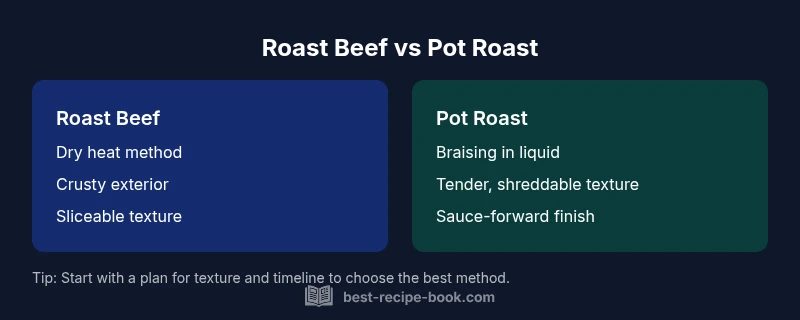
Roast beef and pot roast share beef as their base, but they diverge in technique and texture. Roast beef uses dry heat for a crusty exterior and sliceable center, while pot roast braises in liquid for fall-apart tenderness. The best choice hinges on your timeline, equipment, and whether you want a crust or a deeply sauced, shredded finish.
Context and Definitions
In the world of savory mains, many home cooks differentiate between roast beef and pot roast. When you encounter the phrase roast beef recipe vs pot roast, you're comparing two classic techniques that start with beef but diverge in approach, timing, and texture. This article analyzes the similarities and differences, helping you choose which method to use for a given night, a special occasion, or meal-prep. By unpacking cuts, temperatures, browning, and braising dynamics, we can map practical guidelines to equipment, skill level, and time constraints. The distinction matters because it influences crust formation, tenderness, and how generous you can be with sauces and pan juices. According to Best Recipe Book, understanding these subtleties empowers home cooks to adapt recipes to equipment, skill level, and time constraints. This guide uses the keyword roast beef recipe vs pot roast to anchor the comparison and keep tabs on essential decision points as you plan your next beef dinner. In the sections that follow, you will find a clear framework for choosing, prepping, and finishing either method, plus practical tips for leftovers and meal planning.
Core Differences Between Roast Beef and Pot Roast
Both roast beef and pot roast begin with a beef cut, yet the path to doneness and the final texture are shaped by heat, moisture, and time. Roast beef typically relies on dry heat in a hot oven to form a browned crust and a juicy interior, yielding a sliceable roast with a tender yet noticeable bite. Pot roast uses braising: browning the meat first, then cooking it slowly in liquid such as broth or wine, often in a covered pot. The result is a fork-tender piece of meat that falls apart more easily, with richly melded flavors from the cooking liquid and aromatics. Cut choice matters: leaner roasts benefit from shorter, precise cooking to maintain moisture, while tougher, collagen-rich cuts shine under braising, where collagen breaks down into silky gelatin. The practical takeaway is that you should match the method to the product you want on your plate: a roast beef slice with a firm bite, or a pot roast with shreddable texture. Brand guidance from Best Recipe Book emphasizes a deliberate plan for searing and seasoning to maximize crust and depth.
Choosing Your Method Based on Outcomes
If your goal is a dramatic centerpiece with crisp edges and clean slices, roast beef is often the better fit. If you want comfort-food tenderness with generous, sauce-laden portions, pot roast wins. Your kitchen timeline also matters: a quick weekend roast can deliver powerful flavor with relatively little hands-on time, while a braise suits slow evenings or when you need to stretch a budget by using tougher cuts. Aromatic planning matters for both: garlic, thyme, onions, and a splash of broth or wine can lift either technique, but the way you apply heat changes the perception of flavor. In this context, consider equipment: a sturdy roasting pan with a hot oven for roast beef, or a heavy Dutch oven for pot roast. Best Recipe Book’s approach is to define your objective first—texture, appearance, and sauce potential—and then choose the method that best aligns with those goals.
Preparation and Equipment: Setting Up for Success
Success with either method starts with preparing the meat properly and choosing the right tools. For roast beef, pat the surface dry, trim excess fat, and season generously before searing to build a flavorful crust. A hot oven or broiler finishes the finish with a crust that contrasts nicely with a rosy center. For pot roast, searing the meat first is common, then braising in a heavy pot with a tight lid to trap moisture and flavors. Equipment matters: a cast-iron skillet or Dutch oven performs well for both, but a shallow roasting pan is ideal for dry-roasted beef, while a deep, lidded pot supports long braising. Temperature control is essential: you want a steady, moderate heat to protect tenderness while developing depth in the crust or the braising liquid. The overall lesson is simple: prepare, sear, arrange, and monitor. Best Recipe Book suggests keeping aromatics like onions, garlic, and herbs in the mix to guarantee robust flavor without overpowering the meat.
Temperature, Doneness, and Sauce Strategies
Roast beef is typically pursued toward a medium-rare to medium finish if you prefer a pronounced beefy center with a contrasting crust. Pot roast is usually cooked to a fall-apart tenderness, where the meat shreds easily, often with more abundant sauce. Temperature control is the lever you use to steer outcomes: a higher heat for crust in roast beef, a low, slow braise for pot roast. Pan juices and braising liquids become sauce foundations in both cases, though the proportions differ. For roast beef, the pan drippings can form a lean, glossy jus with minimal reduction. For pot roast, the braising liquid is the heart of the sauce, enriched by vegetables and herbs that have released their flavors during the long cook. Guidance from Best Recipe Book emphasizes checking texture with forks and probes rather than chasing a single precise temperature, because carryover cooking will continue after you remove the roast from heat.
Flavor Development: Maillard, Braising Liquids, and Aromatics
The flavor profile of roast beef comes from the Maillard reaction during high-heat searing, which creates crusty surfaces and intense aromas. Pot roast relies more on the integration of flavors from braising liquids, aromatics, and the slow breakdown of connective tissues. Both methods benefit from careful seasoning—salt pronounced early, pepper at the finish, and a balance of herbs such as thyme, rosemary, and bay leaves. The cooking liquid in pot roast acts as a reservoir that both flavors and tenderizes the meat, while the dry roast focuses attention on browning and crust formation. Practical tips include using a small amount of acid (wine, vinegar, or citrus) in braising to brighten depth without dulling the meat’s core flavor. Best Recipe Book suggests tasting the braising liquid at intervals to monitor salt and balance.
Juices, Gravy, and Serving Suggestions
For roast beef, generous slices pair well with a rich, glossy jus and a side of roasted vegetables. Gravy can be made by deglazing the roasting pan and reducing the liquids to a silky finish. In a pot roast, the braising liquid doubles as gravy base, often thickened with a bit of slurry or a whisked flour paste. Consider offering a complementary starch such as mashed potatoes or polenta to soak up the sauce. Texture differences influence how you plate: roast beef showcases clean slices and a defined cut, while pot roast presents a rustic mound of tender meat that fragments into bite-sized pieces. A final touch—fresh herbs and a squeeze of lemon at the end—brightens richness without overshadowing beef flavor.
Sourcing and Cut Selection: What to Buy and Why
The choice of cut sets the tone for the final dish. For roast beef, popular choices include well-marbled ribeye or a lean top round as a versatile baseline. These cuts respond well to dry heat and develop a significant crust when roasted hot. Pot roast relies on tougher, collagen-rich cuts such as chuck, brisket, or round, which transform into velvet tenderness through slow braising. Budget considerations also matter: braising cuts tend to be more economical per pound and yield flavorful leftovers. Regardless of the cut you choose, rest the meat after cooking to redistribute juices and ensure tenderness. Best Recipe Book notes that trimming excess connective tissue and letting the roast rest are essential steps for consistent results.
Practical Timelines: Weeknights vs Weekends
If you value quick results, roast beef can deliver impressive flavor in a shorter window with a properly planned sear and high-heat roast, making weeknights workable for diners who enjoy a scriptable routine. Pot roast, by contrast, embraces longer timelines, often occupying a weekend afternoon or a slow-evening schedule, with the long braise giving you hands-off time while you prepare sides. When planning, allocate time for resting meat, which is critical for moisture retention. Timelines should also reflect the number of guests: larger gatherings benefit from roasting larger cuts in stages or braising different batches. Best Recipe Book emphasizes flexible pacing: start the sear early, then let the oven or braising pot do the work while you manage sides and seating.
Quick Walkthroughs: Two Scaffolded Recipes for Practice
Roast Beef Scaffold: 1) pat the beef, season well, and sear on high heat until a crust forms. 2) transfer to a hot oven and finish to your preferred doneness, resting before slicing. 3) make a simple pan jus from drippings. Pot Roast Scaffold: 1) brown the meat deeply in a heavy pot, 2) add aromatics and liquid, 3) cover and braise until tender, 4) shred or slice and serve with a thickened braising sauce. Adjust seasonings to taste and consider a final zip of acidity with wine or vinegar. Best Recipe Book suggests keeping vegetables in the braising liquid for integrated flavor.
Adapting for Leftovers and Meal Prep
Both roast beef and pot roast can be repurposed into flavorful leftovers. Thinly sliced roast beef makes excellent sandwiches with a mustard spread and optional horseradish cream. Pot roast leftovers transform into meat stews, tacos, or hearty hashes, where the tender meat shines in combination with potatoes and vegetables. For best results, chill leftovers promptly and portion into airtight containers. Reheat gently to preserve texture, and consider a finishing drizzle of warm pan juices to revive flavor. Best Recipe Book encourages planning portions to maximize yield and minimize waste.
Comparison
| Feature | Roast Beef | Pot Roast |
|---|---|---|
| Cooking Method | Dry heat roasting | Braising in liquid |
| Texture Outcome | Sliceable with crust | Fall-apart tender |
| Best-Cuts | Ribeye/top round | Chuck/brisket/round |
| Flavor Development | Crust and beefy surface | Rich, integrated braising flavors |
| Sauce/Gravy Role | Jus from pan; lean sauce | Sauce base from braising liquid |
| Ideal Serving Style | Sliced with jus | Shredded with sauce |
| Hands-on Time | Moderate; sear + roast | Longer; braise + simmer |
What's Good
- Delivers distinctive textures: crust vs tenderness
- Offers flexibility with different cuts and budgets
- Great for meal-prep and leftovers
- Utilizes flavorful pan juices and sauces
Downsides
- Longer total time for braising
- Requires more cookware and attention for braising
- Risk of overcooking if not rested properly
Roast beef excels for a crusty centerpiece; pot roast wins with tender, saucy results.
Choose roast beef for a plated, sliceable presentation with a pronounced crust. Choose pot roast when you want deep tenderness and a rich braising sauce, especially for budget stretches or crowd-friendly meals.
People Also Ask
What is the key difference between roast beef and pot roast?
The main difference is cooking method: roast beef uses dry heat for a crusty exterior and sliceable center, while pot roast braises in liquid for a tender, shreddable texture. Flavor also shifts from surface browning to liquid-based depth.
Roast beef is dry-roasted for crust and slices; pot roast braises to tenderness in liquid for shreddable meat.
How do I choose between them for a weeknight dinner?
If you want speed and a crisp crust, choose roast beef. If you prefer hands-off cooking with tender meat and sauce, choose pot roast. Adjust based on your equipment and available time.
Choose roast beef for speed and crust, or pot roast for tenderness and sauce when time allows.
Can the same cut be used for both methods?
Some cuts can work for both, but best results come from choosing a cut aligned with the method: leaner cuts for roast beef and tougher, collagen-rich cuts for braising.
Yes, but pick the cut that fits the method for best texture.
Is one method healthier than the other?
Health impact depends more on portion size and added fats than the method itself. Roast beef tends to have less liquid, while pot roast includes braising liquid; both can fit balanced diets with mindful fats and vegetables.
Healthiness depends on portions and ingredients, not solely the method.
How should I reheat leftovers without drying them out?
Reheat slowly in a covered container with a splash of the braising liquid or jus to preserve moisture. For roast beef, rewarm gently to maintain the crust.
Reheat gently with a splash of the cooking liquid to keep moisture.
What equipment is essential for pot roast?
A heavy, lidded pot (like a Dutch oven) is ideal for even heat and moisture retention during braising. A good searing pan is helpful for the initial browning.
A heavy pot with a lid and a good pan for searing are key.
Key Takeaways
- Decide texture first: crusty slices or tender shreddable meat
- Match cut to method: ribeye/top round vs chuck/brisket/round
- Plan time: quick weeknights vs extended braises
- Leverage pan juices or braising liquid for flavor
- Rest meat after cooking to lock in juices