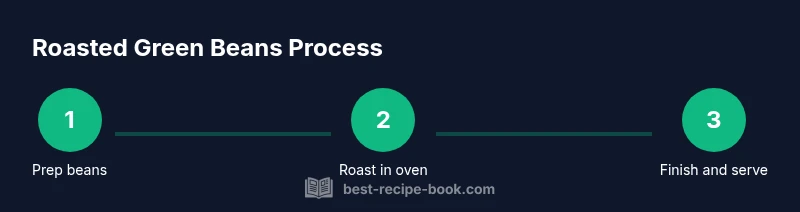
Roasted Green Beans: A Complete How-To Guide
Learn to roast green beans to a crisp-tender bite with step-by-step instructions, temperature tips, and easy flavor variations for weeknight dinners that stay crisp.


You will learn to roast green beans to a crisp-tender bite with evenly browned edges. The key requirements are fresh green beans, a modest amount of oil, a hot oven, and a single-layer pan. With 425°F (218°C) heat and two stirring intervals, you’ll achieve sure-fire results. This guide explains variations, timing, and troubleshooting so you can roast greens every week.
The Flavor and Texture You Can Expect
Roasted green beans deliver a crisp-tender bite with caramelized edges. When heat hits the surface, natural sugars burst and the beans brown in spots, creating a nutty, slightly sweet flavor. The goal is even browning without burning, which comes down to uniform size, a hot oven, and avoiding overcrowding. If you like extra char, roast a touch longer, but monitor closely in the final minutes to prevent mushy centers. For a bright finish, finish with a squeeze of lemon or a dusting of parmesan after roasting. This technique works with both thin haricots and thicker farm-fresh pods; just adjust the time modestly based on thickness and freshness. Roasted green beans shine as a side dish, a salad component, or a quick toss-in for bowls, offering versatility for home cooks and kitchen enthusiasts alike.
Prep and Quality: Picking the Right Beans
Quality starts with fresh beans: pick pods that are firm, bright green, and free of brown spots. Wash quickly and dry thoroughly; moisture on the surface delays browning. Trim the ends evenly to create uniform pieces, then pat dry with a towel. If you want extra crunch, dry them completely before tossing with oil. For best results, aim for uniform thickness; if some beans are larger, cut or snap to a similar length. The goal is consistent cooking, so nothing should be significantly thicker or thinner than the rest.
Equipment and Setup for Even Roasting
A single rimmed baking sheet is essential to prevent crowding. Line with parchment or a silicone mat for easy cleanup and consistent browning. Preheat your oven to 425°F (218°C) and position the rack in the center. Have a light, neutral oil and a measuring spoon ready to coat beans evenly. Use a wide spatula or tongs to flip halfway; this helps all sides brown rather than steaming on damp surfaces. Keeping the pan dry and the beans dry ensures crisp results rather than soggy edges.
The Core Roast: Timing, Temperature, and Technique
Spread the beans in a single layer with space between pieces; overcrowding leads to steaming. Roast at 425°F (218°C) for 15–20 minutes, then stir or shake the pan to promote even browning. If you prefer extra crispness, give them an additional 3–5 minutes, watching closely during the final minutes to prevent burning. The edge browning is your cue that the beans are ready; the centers should still offer a slight bite for maximum texture. Variations like a light squeeze of lemon juice can brighten the finish just before serving.
Flavor Variations to Try
Classic: olive oil, salt, and pepper. Fresh garlic can be added in the last 5 minutes for a savory kick. Lemon zest or a light drizzle of balsamic glaze after roasting adds brightness and complexity. Grated parmesan or almond slivers sprinkled on hot beans bring a nutty, crispy topping. For a smoky note, a pinch of paprika or smoked salt works well. Each variation changes the aroma and balance without requiring a new technique.
Troubleshooting Common Issues
If beans turn out soggy, they were likely crowded or not dried well enough. Give them more room on the pan and pat dry any moisture before roasting. If they brown unevenly, cut thicker beans to match the thin ones or rotate the sheet halfway through. If they taste bland, increase salt slightly or add a splash of citrus at finish. Avoid using wet beans straight from washing; pat dry thoroughly for best browning.
Make-Ahead, Storage, and Reheating
Roasted green beans can be prepared in advance up to a day ahead; store cooked beans in an airtight container in the refrigerator. Reheat in a hot oven or on a dry skillet for 3–5 minutes to refresh texture. To maintain crispness, store beans separately from sauces or dressings that could soften the surface. This approach makes it easy to include them in meals like bowls or spreads without sacrificing texture.
Plating, Portioning, and Quick Pairings
Serve immediately for the best texture; arrange on a warm plate with a light finish of salt and a touch of citrus. Pair with proteins like chicken or salmon, starches like quinoa, or bright greens for contrast. A drizzle of fresh lemon juice or a sprinkle of grated cheese can elevate a simple side into a starred component of a meal. This simple technique scales up for meal prep and family dinners alike.
Tools & Materials
- Rimmed baking sheet(1 sheet, lined with parchment or silicone mat recommended)
- Fresh green beans(About 1 lb (450 g); ends trimmed, pods firm and bright)
- Olive oil or neutral oil(2–3 tablespoons; enough to lightly coat beans)
- Kosher salt or sea salt(Season generously but to taste)
- Black pepper, freshly ground(For mild heat and depth)
- Optional aromatics (garlic or lemon zest)(Adds brightness; use sparingly)
- Parchment paper or silicone baking mat(Easier cleanup and helps browning)
Steps
Estimated time: 30-40 minutes
- 1
Preheat and prep
Preheat the oven to 425°F (218°C) and position the rack in the center. Gather and measure ingredients, ensuring a clean workspace for quick, even tossing.
Tip: A hot oven is crucial for browning; avoid delaying prep once the oven is hot. - 2
Trim and dry beans
Rinse the beans quickly, then trim the ends evenly. Pat completely dry with a clean towel to remove surface moisture that can hinder browning.
Tip: Dry beans thoroughly; moisture drives steaming rather than crisp browning. - 3
Toss with oil and seasonings
In a bowl, toss beans with olive oil, salt, and pepper until every piece is lightly coated. Add optional aromatics if desired, distributing evenly.
Tip: Use just enough oil to coat; too much oil can create soggy edges. - 4
Spread in a single layer
Arrange beans on the rimmed baking sheet in a single layer with space between pieces. Crowding causes steaming and uneven browning.
Tip: If you have many beans, roast in batches for optimal crispness. - 5
Roast and flip halfway
Roast 15–20 minutes, then turn the beans with a spatula to promote even browning. Continue roasting until edges are browned and centers are tender-crisp.
Tip: Keep an eye on the final minutes to prevent burnout on small shards. - 6
Check doneness and finish
Look for browned edges and a crisp surface. Remove from oven and let rest 1–2 minutes before serving; finish with citrus or cheese if desired.
Tip: Resting briefly helps flavors settle and improves texture. - 7
Serve or store
Serve warm as a side dish or portion for meal prep. Refrigerate leftovers in an airtight container for up to 3 days, reheating in a hot oven or skillet.
Tip: Reheating in a hot oven re-crisps the edges better than microwaving.
People Also Ask
What is the best temperature to roast green beans?
Roast at 425°F (218°C) for crisp-tender beans. You can go up to 450°F (232°C) for extra crunch, but monitor closely to avoid burning.
Roast at 425 degrees for crisp-tender results; higher temps give extra crunch but watch closely.
Can I roast green beans with other vegetables?
Yes. Cut vegetables to similar sizes and spread them in a single layer so they cook evenly. Different water contents may require slight timing adjustments.
Sure—roast with other veggies, keeping sizes similar and spacing for even cooking.
Do I need to blanch green beans before roasting?
Blanching is optional for green beans. Roasting directly preserves color and texture; blanching can soften beans and shorten roasting time.
Blanching isn't required; you can skip it for a straightforward roast.
How should I store leftovers?
Cool beans completely, then store in an airtight container in the refrigerator for up to 3 days. Reheat in a hot oven or on a dry skillet to restore crunch.
Cool, store in the fridge for up to 3 days, and reheat in a hot oven for best texture.
How can I tell when they’re done?
They’re done when edges are deeply browned and the centers offer a slight bite. If they are pale, give them a few more minutes and shake the pan.
Look for browned edges and a crisp-but-tirm center; adjust time as needed.
Watch Video
Key Takeaways
- Roast at high heat for crisp edges
- Dry beans thoroughly before roasting
- Do not overcrowd the pan
- Experiment with bright finishes after roasting