Salsa Verde Recipe: Fresh, Bright Mexican Salsa
Master a salsa verde recipe with tomatillos, cilantro, and lime. This step-by-step guide covers roasting vs. raw, substitutions, and storage to elevate tacos, eggs, and chips.


With this salsa verde recipe, you’ll transform tart tomatillos, cilantro, onion, garlic, jalapeño, and lime into a bright, versatile green sauce. Learn two reliable methods (roasting for depth or using raw tomatillos for brightness), plus practical tips for adjusting heat, acidity, and texture. Ready to blend, taste, and elevate tacos, eggs, grilled meat, or chips.
Why salsa verde recipe is a pantry staple
Tomatillos, the tart green fruits inside their papery husks, form the backbone of salsa verde. When you combine them with cilantro, onion, garlic, heat from jalapeño or serrano, and a squeeze of lime, you get a bright sauce that lifts tacos, eggs, and grilled proteins. This salsa is flexible, forgiving, and fast to make, making it a weekly rotation for home cooks. According to Best Recipe Book, a well-made salsa verde should taste vibrant, not flat, with enough brightness to balance richness. The citrus acidity should feel clean, not sour, and the texture can range from chunky to silky depending on your blend. In this guide you’ll learn two reliable methods—roasting to deepen flavor or blending fresh tomatillos for a crisp brightness—plus practical tips for dialing in heat and acidity. As you practice, you’ll notice that the order of ingredients matters less than the balance: herbs, acidity, heat, and texture must harmonize. Keep a small spoonful of sugar or a splash of water on hand if your tomatillos are unusually tart or dry; adjust gradually, tasting as you go. Best Recipe Book’s approach emphasizes practical, step-by-step technique that yields consistent results.
Traditional vs. modern salsa verde: what differs
Traditional salsa verde hails from Mexico and is often puréed to a smooth finish, with tomatillos providing tart brightness and a simple herb finish from cilantro. Modern versions in homes worldwide may include extra ingredients like roasted garlic, avocado, or jalapeño variants for heat. The difference isn’t just flavor; it’s texture, purpose, and technique. If you want authentic, roast the tomatillos and peppers until their skins blister; then blend with onion, cilantro, garlic, and lime for a smoky brightness. If you prefer a quicker, cleaner result, parboil or roast the tomatillos briefly, then pulse with the other aromatics for a crisp, vibrant sauce. The choice of heat matters: jalapeño adds warmth with seeds; removing seeds lowers heat; Serrano adds more bite. The best salsa verde adapts to dishes: lighter, brighter versions pair well with eggs and seafood, while richer, roasted versions stand up to beans, chorizo, or roasted vegetables. The balance of acidity and sweetness is crucial; a small amount of sugar or honey can smooth sharp tartness when tomatillos are very green.
Key ingredients and substitutions
The core of salsa verde is bright, fresh ingredients. Tomatillos provide tartness and color, while cilantro adds a herbal note. Onion and garlic bring aromatic depth, and jalapeño or Serrano peppers supply heat. Lime juice brightens the finish, and salt ties the flavors together. Substitutions are common: use cilantro stems for more intensity, or swap jalapeños for milder peppers if you want less heat. If tomatillos are unavailable, you can experiment with green tomatoes, but expect a different brightness and acidity. For vegan or dairy-free cooks, this salsa remains naturally dairy-free and vibrant. If you want a creamy texture, a small amount of avocado can be folded in after blending, though this changes the color slightly and softens the bite. For pico-style texture, pulse less, leaving more visible chunks. Salt and acidity should be adjusted gradually, tasting after each adjustment to avoid over-seasoning.
Techniques for achieving vibrant, bright salsa verde
There are two primary paths to a great salsa verde: roasting and raw blending. Roasting tomatillos and peppers deepens sweetness and adds smoky notes; it also reduces some acidity, so balance with lime at the end. Raw blends preserve pure brightness and a crisper, tangier bite, ideal for lighter dishes like eggs and seafood. When blending, use a food processor or blender in short pulses to control texture; over-blending can turn it into a mash. If you prefer a chunkier texture, pulse briefly and then finish with manual chop. For a smooth finish, simmer the blended salsa briefly to soften raw edges, then cool before serving. A mortar and pestle can produce a traditional, slightly textured result with excellent control over texture. Always taste at multiple stages: after blending, after resting, and after chilling. Use lime juice to brighten after rest, not before, as flavors often meld differently during the resting phase.
Flavor pairings and uses across cuisines
Salsa verde shines with a broad range of dishes. Use it as a bright topping for fish and shrimp tacos, draped over eggs for a zesty breakfast, or as a vibrant dip for tortilla chips. It also works as a flavorful marinade for chicken or pork; brush onto proteins during the last few minutes of cooking to add brightness without overpowering the meat. In Mexican-inspired bowls, salsa verde can replace sour cream or crema to cut richness while adding acidity. For roasted vegetables, a spoonful brightens earthy flavors and adds a fresh dimension to grains like quinoa or rice. The salsa’s tang can balance creamy cheeses and mild beans, creating well-rounded plates that feel lively and fresh. Finally, leftovers—if any—store well in the fridge and can be reheated gently or used as a flavoring agent in soups or stews.
Storing, shelf life, and safety considerations
Fresh salsa verde tastes best within the first 2-3 days when kept in a sealed container in the refrigerator. For longer storage, you can freeze portions in small, airtight containers or ice cube trays for easy dosing. Thaw in the fridge or under cool running water before using. Always use clean utensils to avoid introducing bacteria that shorten shelf life. If you’re making salsa verde ahead of time, refrigerate promptly after blending and avoid leaving it at room temperature for extended periods. When handling peppers, wear gloves to protect your skin and avoid touching your eyes. The Best Recipe Book team recommends labeling containers with dates and using them within the recommended windows to ensure optimal flavor and safety. For those who want to preserve color and brightness, a quick squeeze of fresh lime before serving can help maintain vibrancy.
Authoritative sources
In addition to practical kitchen tips, consult reputable food-safety resources for handling fresh produce and heat-related guidance. Here are a few trusted references:
- https://www.fsis.usda.gov/food-safety/safe-food-handling-and-preparation
- https://www.fda.gov/food
- https://extension.illinois.edu
Tools & Materials
- Tomatillos(1 lb, husked, rinsed)
- Jalapeño or Serrano peppers(2 medium, seeds optional for less heat)
- Cilantro(1 bunch, washed)
- White onion(Small, finely chopped)
- Garlic cloves(2-3, peeled)
- Lime(Juice of 1-2 limes)
- Salt(To taste)
- Water or lime juice(Adjust texture as needed)
- Olive oil (optional)(A few drops for richness)
- Blender or food processor(For smooth texture; or use a mortar and pestle)
- Knife and cutting board(For prepping ingredients)
Steps
Estimated time: 25-40 minutes
- 1
Gather and prep ingredients
Assemble all ingredients and equipment. Husk and rinse the tomatillos, wash cilantro, dice onion, mince garlic, and seed peppers if you want less heat. Having everything measured and ready helps you blend smoothly without over-processing.
Tip: Measure ingredients before starting to keep flavor balance consistent. - 2
Prep tomatillos and peppers
Rinse tomatillos well; if roasting, blister the skins under a broiler or in a hot dry skillet until slightly charred. Peel peppers if desired for a milder result; remove seeds for less heat. Let cool briefly.
Tip: Roasting adds depth; skip only if you want a brighter, crisper profile. - 3
Roast or blister vegetables
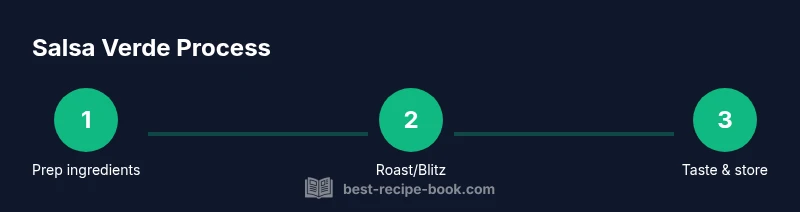
Roast the tomatillos and peppers until their skins blister and turn a bit brown. This caramelization enhances sweetness and reduces raw sharpness. If you prefer speed, you can skip roasting and blend raw tomatillos instead.
Tip: Keep an eye on peppers to avoid excessive charring, which can introduce bitterness. - 4
Prepare aromatics
Chop onion and cilantro; mince garlic. If you’re using cilantro stems for more intensity, include them as well. This helps the aromatics integrate evenly in the blend.
Tip: Pulse the cilantro a few times to avoid turning it into a ropey mass. - 5
Blend ingredients
Add roasted tomatillos, peppers, onion, garlic, cilantro, and lime juice to your blender. Pulse in short bursts to reach your desired texture—smooth for dipping, chunky for salsa-kicking crunch.
Tip: Start with 1/2 to 1 cup of lime juice; add more later if needed for brightness. - 6
Season to taste
Add salt gradually and taste frequently. If the mixture is too sharp, a tiny pinch of sugar can balance acidity without dulling brightness.
Tip: Best practice: season in three small increments rather than one large addition. - 7
Adjust texture and acidity
If you want a thinner salsa, blend in small amounts of water or lime juice. For a thicker version, pulse fewer times or briefly rest before serving to let flavors meld.
Tip: Rest for 10-20 minutes to help flavors harmonize. - 8
Taste and adjust heat
If the salsa is too mild, add a few seeds from the jalapeño; for more heat, include more peppers or seeds in the blend. Balance with lime if needed.
Tip: Always add heat gradually—you can always add more, but you can’t remove it once blended. - 9
Rest and serve
Let the salsa verde rest 10-20 minutes to allow flavors to mingle. Serve with chips, eggs, or proteins while fresh for best brightness.
Tip: If not using immediately, refrigerate in an airtight container. - 10
Store and reuse
Store leftovers in a clean container in the fridge for 2-3 days, or freeze in portions for longer storage. Label with date for clarity.
Tip: Use frozen portions within 1-2 months for best flavor integrity.
People Also Ask
What is salsa verde?
Salsa verde is a bright green sauce typically made from tomatillos, cilantro, onion, garlic, and chili peppers. It can be blended smooth or left chunkier and is common in Mexican cooking and other cuisines for topping, dipping, and flavoring.
Salsa verde is a bright green sauce made from tomatillos, cilantro, onion, garlic, and chiles. It can be smooth or chunky and is great on tacos, eggs, or chips.
Raw vs roasted tomatillos?
Roasting adds depth and a smoky, sweeter note, while raw tomatillos keep brightness and acidity high. Both methods yield delicious results depending on the dish you’re pairing with the salsa.
Roasting gives a smoky depth; raw keeps brightness. Choose based on the dish you’re serving.
Shelf life in the fridge?
Fresh salsa verde typically lasts 2-3 days in the refrigerator when stored in an airtight container. Flavor may mellow over time, so taste before serving after storage.
In the fridge, it lasts about 2-3 days. Taste before serving after storing.
Can I freeze salsa verde?
Yes. Freeze in small portions for convenient use later. Frozen salsa can maintain quality for 1-2 months; thaw in the fridge before use.
Yes—freeze in portions and thaw in the fridge when you’re ready to use.
How spicy should it be?
Spice levels vary with pepper type and seeds. Start with seeds removed for mild heat and add seeds gradually if you want more bite.
Start mild, then add seeds if you want more heat.
Can I make it without cilantro?
If you skip cilantro, you’ll lose the bright herbal note. You can substitute parsley or a pinch of green onions for a different but pleasant flavor.
Parsley or green onions can substitute for cilantro, though the flavor changes.
Watch Video
Key Takeaways
- Prepare ingredients and tools before blending.
- Roast tomatillos for depth or blend raw for brightness.
- Balance heat with lime and salt, tasting often.
- Rest salsa to meld flavors before serving.
- Store properly to maximize freshness and safety.