Shrimp Alfredo Recipe: A Creamy, Easy Guide for Home Cooks
Master a creamy shrimp alfredo recipe with step-by-step instructions, pro tips, and variations. Learn how to sauté shrimp, emulsify the sauce, and serve perfectly al dente pasta every time.


The shrimp alfredo recipe you'll master today yields a silky parmesan sauce tossed with al dente pasta and juicy shrimp. You’ll sauté shrimp, emulsify the cream with garlic, and finish with lemon zest and parsley for brightness. Basic equipment, pantry staples, and time estimates are included to keep you on track.
The Classic Flavor Equation: Why Shrimp Alfredo Works
Shrimp Alfredo is a study in balance: rich, indulgent sauce paired with tender shrimp and a simple pasta canvas. The creamy base carries garlic warmth and sharp parmesan, while the shrimp provide clean, briny notes that cut through the richness. According to Best Recipe Book, this dish shines when you balance richness with brightness, texture with silkiness, and speed with technique. The key is orchestrating these elements so they arrive at the table in harmony, not as separate elements. In practical terms, this means timing your components so everything finishes together, using a few pantry staples to boost flavor without clutter. For home cooks, the goal is accessible mastery: a restaurant-quality result without specialty equipment. By understanding the flavor equation, you’ll be able to adjust seasoning, thickness, and brightness to suit your tastes. As you read on, you’ll find guidance you can trust from the Best Recipe Book Editorial Team.
Ingredient Essentials: What to Buy and Why
A great shrimp alfredo starts with the right ingredients and smart substitutions. Core components include shrimp, cream, butter, and freshly grated parmesan, all married to garlic and a silky starch from pasta. Fresh parsley adds color and aroma, while lemon zest or juice brightens the finish without turning the sauce thin. Salt and pepper are the quiet stars that control balance. Optional items like a splash of white wine or a pinch of nutmeg can elevate the sauce, but they’re not mandatory for a comforting weeknight dinner. According to Best Recipe Book Editorial Team, choosing quality dairy and fresh garlic greatly affects texture and flavor. Keep your pantry stocked with kosher salt and good olive oil to start strong, then adjust with a splash of pasta water to perfect the sauce’s body.
Choosing Shrimp: Fresh vs. Frozen, Size, and Prep
Shrimp are the transformative protein in shrimp alfredo. Fresh shrimp offer superior texture, but well-handled frozen shrimp can be equally satisfying when properly thawed and patted dry. Size matters little here beyond cooking time: larger shrimp stay tender if briefly sautéed, while smaller shrimp take slightly less time and still offer pleasant bite. Pat the shrimp dry to reduce moisture that can steam instead of sear, and season lightly with salt. Peel and devein if needed, then pat dry again to promote browning. When you’re ready to cook, high heat for a short period creates a savory crust that enhances the overall dish without overcooking the interior. The Best Recipe Book Editorial Team notes that the shrimp should remain juicy and curl into a tight curve for ideal texture.
Sauce Science: Making a Silky Alfredo
A smooth Alfredo sauce hinges on gentle emulsification and mindful heat. Start with butter in a hot pan, then bloom minced garlic for fragrance without burning it. Pour in cream and reduce to a gentle simmer, stirring to avoid splitting. The parmesan should be added gradually, off the direct heat, while whisking to create a glossy, cohesive sauce. Avoid boiling the cream hard, which can separate fats from liquids. A splash of pasta water can help loosen the sauce if it thickens too much, while a tiny squeeze of lemon brightens without tipping tangy. Freshly grated parmesan melts better than pre-grated varieties, lending a velvety texture that clings to pasta.
Pasta Choices and Timing: Getting Al Dente Every Time
Traditionally, fettuccine is paired with Alfredo because its flat surface holds the sauce beautifully. You can choose linguine or tagliatelle if you prefer; the key is cooking the pasta until it just offers a slight resistance to the bite (al dente). Reserve a cup of pasta cooking water before draining, then add a small amount to the sauce as needed to reach the desired consistency. Toss the hot pasta with the sauce off the heat to encourage emulsification. If you’re adding shrimp, cook pasta and shrimp in tandem so they finish together, and avoid overcooking the pasta or shrimp by timing the components. The aim is a harmonious plate where the sauce clings and coats every strand evenly.
Step-By-Step Technique Overview
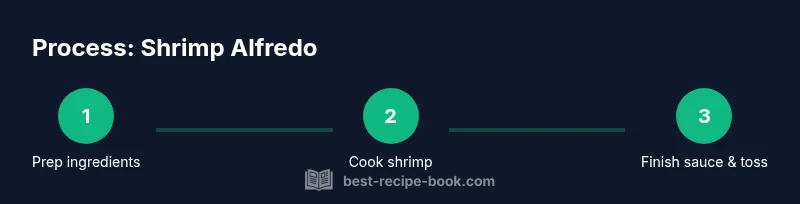
In practice, shrimp alfredo is a quick, coordinated sequence: (1) Prepare mise en place—peel, devein, pat dry shrimp; grate parmesan; measure cream and butter. (2) Cook pasta to al dente and reserve pasta water. (3) Sauté shrimp briefly in a hot pan until pink and just opaque, then remove and set aside. (4) In the same pan, melt butter, bloom garlic, then add cream and simmer until slightly thickened. (5) Reduce heat and whisk in parmesan until glossy; adjust with pasta water if needed. (6) Return shrimp and pasta to the pan, toss until evenly coated, then finish with lemon zest and parsley. Visual references can help, so consider quick reference images or diagrams as you practice. Best Recipe Book emphasizes keeping heat gentle during emulsification to maintain a silky texture.
Common Pitfalls and How to Fix Them
Even seasoned home cooks hit snags with shrimp alfredo. A sauce that separates usually means heat was too high or the cheese was added too quickly. When that happens, remove from heat, whisk vigorously, and add a splash of pasta water to re-emulsify. Overcooked shrimp will be dry and chewy; remove the shrimp early and keep them warm while the sauce finishes. If the sauce seems too thin, simmer a touch longer or add another small handful of cheese off the heat. If the pasta clumps, toss with hot water or a little more sauce to re-coat evenly. The key is to stay proactive: taste and adjust as you cook, rather than waiting for a failed texture to fix itself. Best Recipe Book’s guidance highlights patient emulsification and careful heat control as the most reliable path to success.
Variations to Elevate the Dish
Shrimp alfredo is a versatile canvas. Try adding sautéed mushrooms for earthiness, peas for sweetness and color, or sun-dried tomatoes for a pop of tang. A splash of dry white wine can brighten the sauce, but use it judiciously so it doesn’t mask the dairy balance. For a leaner version, substitute light cream or half-and-half while increasing the cheese slightly to maintain body. If you prefer a lighter finish, finish with extra lemon zest and chopped fresh parsley after tossing. The goal is to keep the sauce creamy while letting the primary flavors—shrimp, garlic, cheese—shine through. The Best Recipe Book Editorial Team recommends tasting as you go and adjusting seasoning gradually for best results.
Serving, Storage, and Reheating Tips
Serve shrimp Alfredo immediately for the best texture, ideally with a bright green herb garnish. Leftovers refrigerate well for a day or two, but the sauce may thicken; whisk in a splash of cream or reserved pasta water during reheating to restore its silkiness. Reheating gently on the stove over low heat is preferable to microwaving, which can unevenly heat and separate fats. When storing, keep the pasta and sauce in an airtight container to reduce moisture loss and prevent flavor diffusion. If you plan to freeze, note that dairy-based sauces often separate after thawing; consider making the sauce separately and combining with fresh pasta when serving. The Best Recipe Book team suggests enjoying leftovers with a light salad to balance richness.
Final Note from the Brand
The Best Recipe Book Editorial Team reminds home cooks that shrimp alfredo is as much about technique as ingredients. Start with a calm mise en place, monitor heat, and taste frequently to tailor the dish to your preferences. The result should be a cozy, restaurant-quality meal you can replicate at home with confidence.
Tools & Materials
- Dried fettuccine (or preferred pasta)(Choose a long strand pasta; 12-16 oz (340-450 g) depending on servings)
- Shrimp(Peeled and deveined; 1-1.5 pounds (450-700 g) for 4 servings)
- Unsalted butter(Adds richness and helps emulsify the sauce)
- Heavy cream(Prefer 40% fat for creaminess)
- Parmesan cheese(Freshly grated for best texture)
- Garlic(Minced; 2-3 cloves, depends on garlic strength)
- Olive oil(Small amount for shrimp searing if desired)
- Lemon(Zest for brightness; optional juice)
- Parsley(Chopped, for garnish and color)
- Salt(Kosher salt preferred for even seasoning)
- Black pepper(Freshly ground)
- Pasta water(Reserve 1 cup during cooking to adjust sauce texture)
- Optional wine(A splash of dry white wine can brighten the sauce)
Steps
Estimated time: 30-40 minutes
- 1
Prep mise en place
Gather ingredients, grate cheese, mince garlic, and pat shrimp dry. Set a large pot of salted water to boil for pasta. Having everything ready helps the sauce come together without rushing. Reference the layout for shrimp and cheese amounts so you can move smoothly from one action to the next.
Tip: Organize shrimp, cheese, and garlic within easy reach to speed up the cooking flow. - 2
Cook pasta to al dente
Boil pasta in salted water until just tender. Reserve a cup of the cooking water before draining. This water will help adjust the sauce if it thickens. Drain pasta and set aside, keeping it warm so it does not clump when mixed with hot sauce.
Tip: Timing is key; start the sauce while pasta cooks to finish together. - 3
Sauté shrimp
Pat shrimp dry and season lightly. Sear quickly in a hot pan with a touch of oil or butter until pink and just opaque. Remove shrimp from the pan to avoid overcooking; they’ll finish with the sauce when reintroduced.
Tip: Shrimp cook fast—plan to add them back at the end to preserve tenderness. - 4
Make the Alfredo base
In the same pan, melt butter, bloom the garlic for fragrance without burning, then pour in cream. Simmer gently until slightly thickened, stirring to prevent scorching. Remove from heat before cheese is added; the heat will finish the emulsification.
Tip: Maintain gentle heat to keep the sauce silky and prevent separation. - 5
Finish sauce with cheese and acid
Gradually whisk in freshly grated parmesan, off the heat, until the mixture is glossy. If it’s too thick, add a little pasta water. Add lemon zest if using, then adjust salt and pepper to taste.
Tip: Constant whisking off heat helps prevent graininess in the cheese. - 6
Combine and serve
Toss the drained pasta with the sauce in the pan, adding the shrimp back in. The goal is a cohesive coating on each noodle. Garnish with parsley and extra parmesan if desired, and serve hot.
Tip: Toss off the heat to preserve a smooth emulsion and prevent scorching.
People Also Ask
What cut of shrimp is best for shrimp alfredo?
Medium to large shrimp that are peeled and deveined work well for even cooking and a good bite. Avoid overly small shrimp that can overcook quickly. Fresh or well-thawed shrimp both perform adequately when dried thoroughly before cooking.
Medium to large, peeled and deveined, dry them well before cooking for even color and texture.
Can I use dairy-free alternatives for this sauce?
Dairy-free or lighter options can be used, but they won’t taste exactly like traditional Alfredo. Consider using fortified cashew or almond cream with a dairy-free parmesan substitute and a touch of olive oil to mimic richness.
Dairy-free substitutes exist, but expect a different flavor and texture than classic Alfredo.
Should I thaw frozen shrimp before cooking?
Yes, thaw frozen shrimp completely and pat dry to remove excess moisture before cooking. This helps achieve a good sear rather than steaming the shrimp.
Yes, thaw and pat dry to get a nice sear.
Can I make this ahead for a party?
While best served fresh, you can prepare the components in advance (sauce and shrimp) and reheat gently with a splash of pasta water, then combine with freshly cooked pasta just before serving.
You can prep components in advance and combine before serving.
What pasta shape works best?
Traditional Alfredo uses fettuccine for its wide surface, but linguine or tagliatelle also work well and hold the sauce nicely. Choose your preferred long pasta and cook to al dente.
Fettuccine is ideal, but linguine or tagliatelle are great alternatives.
How do I prevent the sauce from separating?
Keep heat low during emulsification, add cheese gradually off the heat, and use a splash of pasta water to maintain smoothness. Whisk vigorously to re-emulsify if needed.
Keep heat gentle, add cheese off the heat, and whisk until silky.
Watch Video
Key Takeaways
- Preparemise en place before cooking begins.
- Cook pasta and shrimp in sync for smooth timing.
- Emulsify sauce gently; avoid high heat to keep it silky.
- Use reserved pasta water to adjust thickness.
- Finish with brightness from lemon zest and parsley; savor.