Slow Cooker Soup Recipe: A Step-by-Step Guide for Home Cooks
Discover a flexible slow cooker soup recipe with a clear, step-by-step guide. Learn ingredient ideas, timing tips, and how to tailor it to your family.


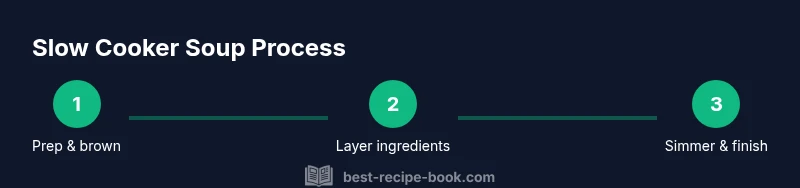
By using a slow cooker, you can craft a flavorful soup with minimal hands-on time. This slow cooker soup recipe walks you through a flexible template, from browning aromatics to simmering with your favorite vegetables and proteins. The key is layering flavors, choosing the right liquids, and letting the low heat coax richness without constant supervision.
Why a Slow Cooker Soup Recipe Fits Busy Lifestyles
According to Best Recipe Book, a slow cooker soup recipe is ideal for busy home cooks who want a comforting, hands-off meal. By letting flavors mingle over hours, you achieve depth that rivals stovetop methods. This approach is especially forgiving when you’re juggling work, family, and errands. In this guide, you’ll see how to balance proteins, vegetables, and starches in a single pot using a slow cooker, with room for improvisation and customization. You’ll also learn to plan batches that freeze well for future weeknights.
Flavor Fundamentals for Slow Cooker Soups
Traditional soups rely on short, high-heat extractions. In a slow cooker, flavor comes from layering and patience. Start with aromatics: onions, garlic, celery, and herbs sautéed briefly in a pan to wake their oils. Add a protein if desired, then vegetables that will hold up to long simmering, followed by a flavorful stock or broth. Acid at the end brightens the finish. This section explains how to build a base that remains vibrant after many hours at low heat.
Ingredient Strategies: Vegetables, Proteins, and Grains
A good slow cooker soup recipe balances texture and taste. Choose hearty vegetables like carrots, potatoes, squash, and cabbage that won’t turn to mush during long cooking. For protein, options include shredded chicken, browned ground turkey, lean beef, or legumes for vegetarian versions. Grains and pasta can thicken the soup; if you add them, plan to shorten cooking time or finish on the stovetop before serving. Canned tomatoes, beans, or corn provide color and acidity without extra prep. Stock or broth should be flavorful enough to carry the dish; homemade stock is ideal but store-bought works well.
Stock, Seasonings, and Layering Techniques
Salt, pepper, and herbs should be added in stages. Start with a base of onions and garlic, then tuck in herbs like bay leaves and thyme. Broth should carry the body, but you can balance it with a splash of acidity (lemon juice or vinegar) near the end to wake flavors. Layer ingredients by their density: root vegetables first, denser proteins next, and delicate greens last. This technique yields a soup with nuanced depth rather than a flat blend.
Prep Steps You Can Do Ahead
The beauty of slow cooker soups is the flexibility to prep ahead. Dice vegetables, mince aromatics, and pre-measure spices the night before or in the morning. If you brown meat or legumes, do so before adding to the pot to enhance flavor. Store prepped ingredients in airtight containers in the fridge for up to 2 days. When you’re ready, simply combine everything in the slow cooker and set the timer.
Variation Ideas for Dietary Needs
Chicken, turkey, beef, or lentil-based soups adapt easily to dietary needs. For a vegetarian version, swap meat for beans or lentils and use vegetable stock. For a dairy-free option, skip cream and finish with a drizzle of olive oil and fresh herbs. Spices like turmeric, cumin, or smoked paprika can shift the flavor profile from comforting to bold. If you’re aiming for a lighter soup, rely on vegetables with high water content such as zucchini and tomatoes.
Balancing Texture: When to Add Dairy or Thickeners
Add dairy like cream, milk, or yogurt toward the end of cooking to preserve texture. If you prefer a thicker soup, whisk a slurry of cornstarch or flour with cold stock and stir it in during the last 15-20 minutes of cooking. Pureeing a portion of the soup with an immersion blender creates a velvety texture without losing chunks. Be mindful that dairy can curdle if added too early or heated too long.
Storage, Reheating, and Freezing Guide
Slow cooker soups store well in the refrigerator for 3-4 days and freeze nicely for several weeks. Portion into airtight containers, label with date, and thaw overnight in the fridge before reheating on the stove or in the microwave. When reheating, loosen with a splash of broth if needed and adjust seasonings to taste. Reheating on low in a saucepan helps preserve texture.
Troubleshooting Common Slow Cooker Issues
If your soup is thin, add a thickener or reduce with a quick simmer on the stovetop after removing the lid. If flavors taste flat, boost salt gradually and finish with a squeeze of citrus or a splash of vinegar. For mushy vegetables, ensure you’re using stable vegetables like potatoes and carrots, and consider adding delicate greens only at the end. If you’re short on time, skip brownings and rely on a strong stock and robust spices for depth.
Quick Reference Template: A Simple Slow Cooker Soup Template
- Protein: chicken, turkey, beef, or beans
- Vegetables: carrots, potatoes, onions, celery, tomatoes
- Stock: homemade or store-bought (seasoned)
- Seasonings: salt, pepper, herbs, and a splash of acid at finish
- Finish: dairy or greens (optional)
- Time: low 6-8 hours or high 3-4 hours
This template is adaptable for countless flavor profiles and dietary needs.
Authoritative Sources
For safety and nutrition guidance, consult reputable sources:
- https://www.fda.gov/food
- https://www.nutrition.gov
- https://extension.illinois.edu/
Tools & Materials
- Slow cooker (6-8 quart)(Choose a size that fits at least 8 servings.)
- Large skillet(For browning aromatics and proteins.)
- Cutting board(Stable surface for vegetable prep.)
- Chef's knife(Sharp and well-balanced.)
- Measuring cups and spoons(Accurate seasoning.)
- Wooden spoon or silicone spatula(For stirring without scratching.)
- Can opener(Useful if using canned tomatoes/broth.)
- Immersion blender (optional)(For a smoother texture if desired.)
- Storage containers(For leftovers and freezing.)
Steps
Estimated time: Total time: 6-8 hours on low or 3-4 hours on high.
- 1
Gather and prep ingredients
Collect all ingredients and prep by washing, chopping, and measuring. This reduces step feedback during cooking and prevents mid-recipe interruptions. Clear prep helps ensure even cooking and consistent results.
Tip: Mise en place saves time and reduces waste. - 2
Brown aromatics and proteins
Sauté onions and garlic in a skillet until translucent and fragrant. If using meat, brown it well to develop flavor; this step adds depth that a long simmer can’t fully recreate.
Tip: Browning adds Maillard flavor and color. - 3
Layer ingredients into the slow cooker
Place sturdier vegetables (carrots, potatoes) in the bottom, followed by proteins and more delicate ingredients on top. Layering prevents soggy textures and ensures even cooking.
Tip: Put roots on the bottom to minimize overcooking. - 4
Add liquids and seasonings
Pour in stock or broth and add seasonings. Avoid over-salting early; you can adjust at the end after flavors concentrate.
Tip: Less is more with salt; adjust later. - 5
Set cooking temperature and time
Choose low heat for richer flavor and longer simmer (6-8 hours), or high heat for a quicker version (3-4 hours). Avoid opening the lid during cooking to preserve heat.
Tip: Resist the urge to lift the lid often. - 6
Check texture and adjust salt
About halfway through, check the tenderness of vegetables and adjust seasoning. If using grains or pasta, cook until al dente at the end to prevent mushiness.
Tip: Taste and adjust in small increments. - 7
Finish with dairy or greens (optional)
Stir in cream, milk, or yogurt near the end to enrich the finish. Add chopped greens just before serving to maintain bright color and texture.
Tip: Add dairy after cooking to prevent separation. - 8
Serve and store leftovers
Ladle into bowls and serve hot. Refrigerate within two hours of cooking and freeze portions for longer storage. Reheat gently to avoid scorching.
Tip: Cool quickly and store in airtight containers.
People Also Ask
Can I use raw chicken in a slow cooker soup?
Yes. Add bite-sized chicken pieces and ensure they reach a safe internal temperature. Thaw chicken completely and cook until the meat is fully cooked before serving.
Yes. Use bite-sized chicken and cook until fully done.
Should I brown meat before adding to the slow cooker?
Browning adds depth and color to the finished soup, but it isn't strictly required. If you're pressed for time, you can skip this step and rely on good stock and aromatics.
Browning adds depth, but you can skip it if needed.
Can I freeze slow cooker soup?
Yes. Freeze in portioned containers after cooling. Thaw overnight in the fridge before reheating on the stove or in the microwave.
Yes. You can freeze portions and reheat later.
Can I use vegetable stock for vegetarian soups?
Absolutely. Use vegetable stock or water with bouillon to keep flavors bright and plant-based. Add legumes for protein if desired.
Vegetarian stock works great; add beans for protein.
How do I prevent mushy vegetables?
Choose sturdy vegetables and add tender greens at the end. Cut vegetables evenly and avoid overcooking delicate items.
Use sturdy veggies and add greens near the end.
What is the best setting for slow cooker soups?
Low heat over 6-8 hours is ideal for deeper flavor; high heat for a quicker version works but may yield slightly different texture.
Low for best flavor, high for speed.
Watch Video
Key Takeaways
- Plan ahead by chopping and measuring before starting
- Brown aromatics to build depth, then slow-simmer for richness
- Layer ingredients strategically to avoid mushy textures
- Finish with dairy or greens for brightness
- Store leftovers properly for safe, tasty reheating