Steak Diane: A Step-by-Step Guide to the Classic Brandy Sauce Beef
Master steak diane with a silky brandy mushroom sauce. This step-by-step guide covers beef selection, searing, deglazing, and plating to recreate a restaurant-style French classic at home.


You will learn to cook steak diane with a classic pan sauce, searing tender beef and finishing with a silky mushroom-brandy sauce. You’ll need a dry- aged cut or ribeye, a skillet, cognac or brandy, mushrooms, shallots, cream, and fresh herbs. This guide covers a clear, step-by-step method, practical tips, and safe flambé techniques.
What is Steak Diane? A quick orientation
steak diane is a classic, French-inspired method where a small beef steak is seared to a rich crust and finished with a creamy mushroom and brandy sauce. According to Best Recipe Book, the dish centers on balance: a beefy bite tempered by a bright, velvety sauce, with aromatics that elevate rather than overwhelm. In this guide you’ll learn how to select the right cut, prep with precision, and manage the sauce to glossy perfection. You’ll also gain safety tips for flambé and practical plating ideas to impress guests while keeping the process approachable for home cooks.
Choosing the right beef for steak diane
For best results, choose a tender cut that sears evenly and carries flavor well. Ribeye or sirloin steaks at about 1 inch (2.5 cm) thickness are ideal, providing a good crust while staying juicy. If you prefer leaner beef, use a center-cut filet mignon but be mindful of cooking time to avoid over-drying. Temperature is crucial: aim for a warm pat under 60 minutes to rest before searing, which helps develop color without overcooking. Best Recipe Book emphasizes that consistent thickness ensures even searing and sauce absorption.
Ingredients and pantry notes you’ll rely on
This dish relies on a handful of pantry staples that deliver big flavor: beef stock or demi-glace, mushrooms (cremini or button), shallots, garlic, butter, heavy cream, and brandy or cognac. Fresh parsley adds brightness, while a splash of lemon juice or white wine can adjust acidity if needed. Keep salt and pepper at the ready, and have a small amount of Dijon mustard as an optional kick. The goal is a glossy, lightly creamy sauce that complements, not overwhelms, the beef.
Mise en place: the foundation of a smooth cook
Preparation matters as much as technique. Gather your ingredients, measure liquids, and preheat your pan. Slice mushrooms evenly so they brown uniformly, mince shallots finely, and have garlic ready. Dry the beef pat thoroughly before hitting the pan to achieve a crisp crust. A hot, well-oiled skillet is essential for a rapid sear that locks in juices. The more organized your setup, the fewer delays during the actual cooking.
Searing and building the sauce: the core technique
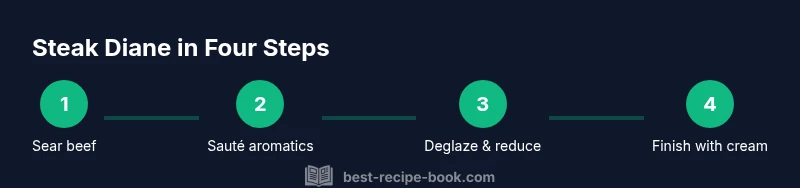
Start with a high-heat sear to form color on both sides, then remove the steaks to rest. In the same pan, sauté shallots and mushrooms until deeply caramelized. Deglaze with brandy to lift all fond from the bottom; this is where much of the sauce flavor develops. Reduce the liquid to concentrate the aroma, then emulsify in cream and a knob of butter for that satin finish. Stir in herbs last to retain brightness and aroma.
Flambé safety and flavor preservation
If you choose to flambé, tilt the pan safely away from you and ignite with a long lighter to control flames. The flame burns off alcohol quickly, leaving behind a deeper, nuanced flavor. Keep flammable items away, and do not pour brandy directly from bottle into hot pan. Instead, add a measured splash off the heat if you’re unsure, which minimizes flare-ups while still delivering the caramelized depth.
Finishing touches and plating for a refined presentation
Finish the sauce with a touch of acid if needed (a few drops of lemon juice). Spoon the sauce over the rested steaks, scatter chopped parsley, and serve with a simple starch like buttered mashed potatoes or sautéed greens. The goal is a cohesive plate where the aroma of brandy, mushrooms, and butter harmonizes with the beef. Proper resting time helps redistribute juices for a better bite.
Common pitfalls and how to avoid them
Overcooking the beef leads to a dry bite, so monitor internal temperature and remove steaks when they’re 5–10 degrees shy of your target. Mushrooms can release excess moisture if not cooked long enough; ensure they brown before adding liquid. If the sauce splits, whisk vigorously off heat or return to a very low flame while adding cream gradually to re-emulsify. Always taste and adjust salt at the end for balance.
Pairings and how to make it a complete meal
Steak diane pairs beautifully with creamy potatoes, crisp green beans, or a light salad. White wines with a touch of sweetness or a light to medium-bodied red, such as Pinot Noir or Merlot, complement the sauce without overpowering the beef. For a traditional French-inspired menu, consider a side of pommes purées or haricot verts with a simple lemon vinaigrette. The overall balance should highlight the beef while elevating the mushroom brandy sauce.
Tools & Materials
- Heavy skillet (cast iron or stainless)(Prefer 10–12 inch diameter for even sear)
- Tongs(For turning steaks without piercing)
- Measuring spoons(For accuracy with brandy and cream)
- Mushroom and shallot knife(Sharp blade for crisp trimming)
- Wooden spoon or silicone spatula(Stir without scratching pan)
- Liquid measuring cup(For stock, cream, and brandy)
- Instant-read thermometer(Helpful for precision with thicker cuts)
- Small sauce pan(Optional for reducing sauce separately)
Steps
Estimated time: 25-40 minutes
- 1
Prepare ingredients and equipment
Set up your station. Pat steaks dry, slice mushrooms and shallots, measure liquids, and preheat the skillet until a drop of water dances and evaporates. This ensures a proper sear and smooth sauce later.
Tip: Dry surface is key to crust; moisture kills browning. - 2
Season and rest the beef
Season steaks generously with salt and pepper. Let them rest at room temperature for 15–20 minutes to promote even cooking. This step helps achieve a uniform doneness and a better crust.
Tip: Higher salt concentration can draw moisture; pat dry again if surface appears wet. - 3
Sear the steaks
Sear steaks on high heat until a deep brown crust forms, about 2–3 minutes per side for 1 inch thickness. Remove and rest briefly to let juices redistribute.
Tip: Do not move steaks while searing; resist the urge to flip early. - 4
Sauté aromatics and mushrooms
In the same pan, lower heat and cook shallots and mushrooms until deeply browned and caramelized. This builds flavor that will carry into the sauce.
Tip: Brown bits on the pan (fond) are flavor gold. - 5
Deglaze and reduce
Carefully pour brandy into the hot pan off the flame to deglaze and lift the fond. Return heat and reduce by half to concentrate the flavors.
Tip: If flambeing, keep a long reach lighter handy and keep hands away from the flame. - 6
Finish the sauce with cream
Stir in heavy cream and a knob of butter to create a glossy, emulsified sauce. Adjust seasoning and swirl in chopped parsley at the end.
Tip: Add cream gradually to maintain emulsion and prevent separation. - 7
Plate and rest
Return steaks to pan briefly to rewarm in sauce, then plate with a spoonful of sauce over each piece. Garnish with parsley and serve with sides.
Tip: Resting before plating preserves juiciness and improves texture.
People Also Ask
What is steak diane and where does it come from?
Steaks diane is a beef dish inspired by classic French cooking, featuring a seared beef cut finished with a creamy mushroom and brandy sauce. It emphasizes quick, high-heat technique and a rich pan sauce.
Steak Diane is a French-inspired beef dish with a rich mushroom and brandy sauce. It’s all about a fast sear and a silky finish.
Can I use dairy-free substitutions in steak diane?
You can replace cream with a dairy-free milk and a splash of dairy-free butter to mimic richness. The sauce may be slightly lighter, but still flavorful if you balance with a touch of acidity.
Yes, you can use dairy-free milk and butter substitutes, but expect a lighter sauce; adjust with a hint of lemon to balance.
What cuts of beef work best for steak diane?
Ribeye or sirloin are ideal for a good balance of tenderness and flavor. Filet mignon is very tender but can be leaner, so adjust cooking time accordingly.
Ribeye or sirloin are great choices; filet mignon works too but is leaner, so watch the cooking time.
What should I serve with steak diane?
Classic pairings include mashed potatoes, green beans, or sautéed spinach. A light salad and a crusty bread also complement the dish well.
Pair it with mashed potatoes, green beans, or sautéed greens for a balanced plate.
Is flambé required for authentic steak diane?
Flambé is traditional but not required. You can deglaze with brandy off-heat and allow the alcohol to cook off, achieving a similar depth of flavor safely.
Flambé is traditional but optional. You can deglaze off-heat to get a rich flavor safely.
Watch Video
Key Takeaways
- Choose tender beef cuts for best sear and juiciness
- Build depth with a well-browned mushroom and shallot base
- Control heat for a glossy, emulsified sauce
- Rest meat to maximize tenderness before saucing
- Flambé safely or skip flame while preserving flavor