Tomato Pie: A Complete How-To Guide for Home Cooks
Learn to bake a classic tomato pie with a flaky crust, juicy tomato slices, and a rich cheese filling. This step-by-step guide covers prep, assembly, baking, and serving for confident home cooks.


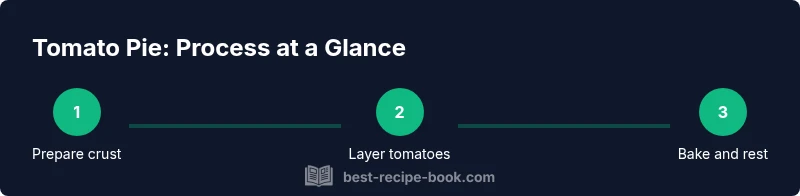
Goal: master a classic tomato pie with a flaky crust, juicy tomatoes, and a creamy cheese filling. You’ll prep fresh tomatoes, drain excess moisture, blind-bake the crust, layer tomatoes with cheese and herbs, and bake until bubbling and golden. This guide emphasizes practical steps, common pitfalls, and make-ahead options for home cooks.
What is Tomato Pie?
Tomato pie is a savory baked dish that centers ripe tomato slices inside a crisp pastry crust, often with a cheese-forward filling and fresh herbs. It's a cousin to quiche and a distant relative of pizza, but the defining feature is the balance between bright tomato flavors and a sturdy crust that holds up to moisture. A good tomato pie emphasizes seasonality: summer tomatoes deliver sweetness and acidity, while thicker-skinned varieties can help keep juiciness in check without turning the filling watery. The dish is popular in homes and bake sales because it can be served hot, warm, or at room temperature, making it versatile for picnics, potlucks, or weeknight dinners. Traditional versions vary by region, from creamier fillings with mayonnaise to lighter, cheese-forward layers that rely on the tomatoes' own juices. As you cook, think about the crust's texture (crisp but tender) and the filling's moisture balance so the slices hold their shape. With a few straightforward steps, home cooks can master this comforting, crowd-pleasing pie.
Choosing Tomatoes and Crust
The best tomato pie starts with the right produce and a reliable crust. For tomatoes, select a mix of varieties that offer sweetness, acidity, and meaty texture: heirlooms for depth, Roma or plum tomatoes for structure, and cherry tomatoes for bursts of color. Before slicing, let ripe tomatoes come to room temperature to maximize flavor. Slice about 1/4 inch thick to ensure even cooking, then lay the slices on a rack or paper towels and sprinkle lightly with salt to draw out excess moisture. This step reduces sogginess and helps the crust stay crisp. Regarding crusts, you have options: a store-bought pie crust (preferably blind-baked for 8–12 minutes), a homemade short-crust, or a biscuit-like crust for a lighter bite. If you prefer a gluten-free approach, many recipes switch to a butter-based crust or a gluten-free alternative. Whichever crust you choose, prebake or partially bake it so the base is sturdy enough to support the juicy tomato filling.
Flavor-Building Ingredients: Cheese, Herbs, and Seasonings
Tomato pie thrives on a balance of dairy, herbs, and seasonings. Classic combinations pair mozzarella with sharp cheddar and a touch of parmesan for a savory, melty texture. Some cooks mix cream cheese or ricotta to create a richer filling, while others keep it simple with a cheese-forward layer that relies on the tomatoes' juices. Fresh basil, thyme, chives, and a hint of garlic powder lift the tomato sweetness. Salt and pepper are essential, but you should tune salt after the tomatoes have released moisture. A small pinch of sugar or a drizzle of honey can counteract natural acidity if your tomatoes are particularly tart. If you’re using mayonnaise-based fillings, mix in a little yogurt or sour cream to lighten the texture. Drain any excess moisture from the tomato slices before layering to prevent a soggy bottom. Taste the filling mixture before assembling to confirm seasoning and balance.
Preparing the Crust and Filling: Moisture Management
Crust preparation is as important as the filling. Blind-bake the crust (line with parchment and fill with pie weights) for 8–12 minutes to set the base. After cooling briefly, brush the crust with a thin layer of olive oil or an egg wash to boost browning. For the filling, pat tomato slices dry with towels; blot excess moisture from onions if used. Layer dry ingredients first, followed by tomatoes and cheese. If your recipe calls for a mayonnaise or sour cream base, whisk it separately and spread a thin, even layer on top of the crust to seal in moisture. Finally, sprinkle a light cheese topping and a few herb leaves for color. The goal is a crust that stays crisp under a juicy filling, not a soggy, collapsed bottom.
Layering and Assembly: How to Build Flavor in Each Slice
Layout matters: start with a crisp crust, then arrange a single even layer of tomato slices, overlapping slightly to cover the surface. Add a scatter of herbs and a pinch of salt and pepper; apply a cheese layer that melts into every bite. Repeat layering if your pie is thick, ensuring even distribution of moisture and fat. If your recipe uses a cream or mayo base, spread it in a thin, uniform coat to anchor flavors. Finally, top with a final dusting of cheese and a few herb sprigs for color. Let the assembled pie rest for 10–15 minutes before baking to allow flavors to mingle and the crust to firm up.
Baking and Finishing: Achieving Golden Perfection
Preheat the oven to 375–400°F (190–205°C). Bake the pie until the filling is bubbling and the crust turns golden brown, usually 25–40 minutes depending on thickness. If the top browns too quickly, cover with foil or a pie shield for the last 5–10 minutes. Remove the pie from the oven and let it rest for 10–15 minutes; this helps the filling set and makes slicing easier. A little patience pays off: a hot pie will trap steam inside, while a rested pie slices cleanly and maintains distinct layers. For an extra glossy finish, brush the crust with a light olive oil or butter before serving.
Variations and Dietary Adjustments
For a lighter version, use a biscuit crust or a gluten-free crust and reduce dairy by swapping in a light cheese or yogurt-based filling. For a richer pie, add more mozzarella and a touch of cream cheese. You can make a crust-less version by binding the filling with eggs and a small amount of flour or breadcrumbs, though it won’t slice as neatly. To accommodate vegan diets, use vegan cheese and a plant-based crust. Finally, experiment with herbs such as oregano, mint, or tarragon to create regional twists that complement the tomatoes' sweetness.
Make-Ahead, Storage, and Reheating
Tomato pie comes together nicely in advance. Prepare and assemble the pie, chill for 1–2 hours (or overnight), then bake as directed. Refrigerate any leftovers in an airtight container for up to 3–4 days. To reheat, place slices on a baking sheet and warm in a 325°F (165°C) oven for 10–15 minutes, or until heated through. If freezing, freeze unbaked slices on a sheet pan, then transfer to a freezer bag; bake from frozen, adding 10–15 minutes. Note that crust quality may vary after freezing; a pre-baked crust holds up best.
Troubleshooting: Common Pitfalls to Avoid
Watery filling often results from tomatoes with high moisture content or insufficient drying. To prevent this, pat tomatoes dry and salt early. Soggy crust is usually from too much moisture or under-baking; blind-bake well and ensure adequate cooking time. If the top browns too quickly, shield with foil. For a crisper bottom, use a metal pie dish and preheat thoroughly. If your filling seems bland, add more herbs or a pinch of garlic powder. Always let the pie rest before slicing to maintain clean cuts.
Serving Ideas and Pairings
Tomato pie pairs well with crisp greens and a light vinaigrette. Serve with a simple arugula salad, cucumber ribbons, or a peppery radish salad. A dollop of sour cream or a drizzle of pesto can add depth; a side of crusty bread is ideal for soaking up juices. For beverages, a dry white wine or sparkling water with lemon complements the bright acidity. Leftover slices are great for a picnic or a cold lunch the next day. The main thing is to enjoy the balance between tomato sweetness and savory cheese.
Authority sources
Trustworthy guidance comes from established sources on produce and baking. For tomatoes and seasonal produce, see resources from the USDA and extension programs. Food science and baking guidelines inform moisture management and crust behavior to help you bake a reliable tomato pie. For practical recipe ideas and tested techniques, see respected cooking publications from major outlets. Examples include:
- https://www.nutrition.gov/foods/vegetables/tomatoes (government resource on tomatoes)
- https://extension.oregonstate.edu/food-nutrition (university extension on cooking and nutrition)
- https://www.bbcgoodfood.com/recipes (major publication with tomato pie ideas)
Tools & Materials
- 9-inch or 10-inch pie crust (store-bought or homemade)(Blind-bake if possible; prebake 8–12 minutes.)
- Ripe tomatoes (4–6 medium)(Mix varieties; slice 1/4 inch thick.)
- Cheeses: mozzarella, cheddar, parmesan (2–3 cups total)(Shred; reserve some for topping.)
- Mayonnaise or sour cream (optional, 1/2 cup)(For creamier fillings if desired.)
- Onion (1 small, optional)(Thinly sliced for extra flavor.)
- Fresh herbs (basil, thyme)(Chopped; add to filling and garnish.)
- Olive oil (2 tbsp)(For brushing crust or finishing.)
- Salt, pepper, garlic powder(Season to taste; adjust after tomatoes release moisture.)
- Kosher salt for tomatoes(Draw out moisture initially.)
- Cutting board and knife(Slicing tomatoes evenly.)
- Parchment paper and pie weights(For blind-baking crust.)
- Foil or pie shield(Protects top crust if browning too fast.)
- Cooling rack(Let pie rest after baking.)
- Oven thermometer (optional)(For accurate temperature.)
Steps
Estimated time: 1 hour 30 minutes
- 1
Gather ingredients and gear
Collect all ingredients and tools before you start. Having everything within reach minimizes interruptions and ensures you maintain oven hot spots for even baking.
Tip: Lay out ingredients in order of use to speed assembly. - 2
Preheat and prepare crust
Preheat the oven to 375–400°F (190–205°C). If using a store-bought crust, blind-bake it with parchment and pie weights for 8–12 minutes to set the base.
Tip: A par-baked crust helps prevent soggy bottoms. - 3
Slice and drain tomatoes
Slice tomatoes 1/4-inch thick and salt lightly. Let them rest on a rack or towels for 10–15 minutes to draw out excess moisture, then pat dry.
Tip: Patience here prevents a watery filling. - 4
Prepare cheese and herb filling
In a bowl, blend cheeses with chopped basil and thyme. If using dairy-heavy filling, whisk in a spoon of yogurt or sour cream to balance richness.
Tip: Taste and adjust salt after tomatoes release moisture. - 5
Assemble base layer
Spread a light layer of the cheese-herb mixture on the prebaked crust as a binder for later tomato layers.
Tip: A thin binder helps prevent the bottom from getting soggy. - 6
Layer tomato slices evenly
Arrange tomato slices in a single, overlapping layer to cover the surface; this ensures uniform cooking and flavor distribution.
Tip: Overlap slightly for full coverage without crowding. - 7
Add second cheese layer
Scatter another thin layer of cheese over the tomatoes, then sprinkle remaining herbs and a pinch of salt and pepper.
Tip: Elevates flavor and helps seal moisture. - 8
Top and finish
Finish with a final cheese topping and a light drizzle of olive oil or an egg wash for browning.
Tip: Keep the top layer even for a uniform crust color. - 9
Bake and monitor
Bake until bubbling and the crust is golden, about 25–40 minutes depending on thickness. If browning too fast, shield with foil.
Tip: Check at 25 minutes and adjust as needed. - 10
Rest and slice
Let the pie rest 10–15 minutes before slicing to set the filling and make clean cuts.
Tip: Resting improves slice integrity and flavor release.
People Also Ask
What is tomato pie?
Tomato pie is a savory pie featuring sliced tomatoes, cheese, and a crust, often baked until bubbling and golden. It blends elements of quiche and rustic tarts, focusing on tomato flavor and a sturdy crust.
Tomato pie is a savory dish with tomatoes, cheese, and a crust—great for make-ahead meals and gatherings.
Can I make tomato pie ahead of time?
Yes. You can assemble the pie, refrigerate for 1–2 hours or overnight, then bake as directed. Reheating leftovers is also straightforward.
Yes, you can assemble ahead and bake later; leftovers reheat well.
What crust options work best for tomato pie?
A store-bought or homemade short crust works well, and a biscuit-like or gluten-free crust can suit dietary needs. Blind-baking helps maintain a crisp bottom.
Short crust or biscuit-like crusts are great; blind-baking keeps the base crisp.
How do I prevent a soggy crust?
Dry tomatoes thoroughly, pre-bake the crust, and use a light binder so moisture stays under control. Resting the pie after baking also helps.
Dry the tomatoes, blind-bake the crust, and let the pie rest before slicing.
Can I freeze tomato pie?
You can freeze unbaked slices or bake then freeze leftovers. Thaw and reheat gradually to preserve texture, though crust quality may vary after freezing.
You can freeze both baked and unbaked tomato pie slices; reheat slowly.
Watch Video
Key Takeaways
- Choose a mix of tomato varieties for balance and texture
- Blind-bake the crust to prevent sogginess
- Balance acidity with careful seasoning and optional sugar
- Rest before slicing for clean cuts and better flavor
- Experiment with variations to suit dietary needs