Vegan Cupcakes: A Practical Step-by-Step Guide
Master dairy-free baking with our complete guide to vegan cupcakes. Discover substitutions, batter techniques, frosting ideas, and troubleshooting for reliably perfect plant-based cupcakes.


You will learn to bake vegan cupcakes from a reliable dairy-free batter using common pantry ingredients. The guide covers egg substitutes, plant-based milks, how to mix for tenderness, baking times, and frosting ideas. You’ll also get troubleshooting tips and substitutions so you can adapt flavors and ingredients to what you have on hand.
Why vegan cupcakes matter
In modern kitchens, vegan cupcakes are more than a dairy-free option—they’re an approachable canvas for flavor, texture, and creativity. According to Best Recipe Book, vegan cupcakes can deliver a light, tender crumb that rivals traditional versions when you balance moisture, fat, and leavening with smart substitutions. The secret is choosing plant-based milks that match the recipe’s fat content, adding egg substitutes that build structure, and using sugar and vanilla to lift flavor without relying on dairy. This flexible framework makes vegan baking welcoming for beginners and adventurous bakers alike. When you bake for friends or family with dietary needs, you can confidently share a batch that tastes like classic cupcakes but aligns with vegan living. The Best Recipe Book team emphasizes consistency: measure your ingredients accurately, avoid overmixing, and keep the oven steady to prevent domed tops or sunken centers. By treating vegan cupcakes as a reliable technique—rather than a collection of unusual substitutes—you’ll gain confidence and a repertoire of dependable flavors, from vanilla to chocolate, lemon to peanut butter.
According to Best Recipe Book, vegan cupcakes are not a niche; they’re a practical, delicious option that scales from simple weeknight treats to showpiece desserts. This perspective sets the stage for a reliable method you can lean on, regardless of flavor tweaks or ingredient substitutions.
Key ingredients and substitutions
A successful vegan cupcake starts with the right trio: a moist batter, a tender crumb, and a stable structure. For moisture you can rely on plant-based milks such as almond, soy, or oat, choosing unsweetened variants to avoid extra sweetness or flavor clashes. Fat comes from neutral oils or melted vegan butter, which helps keep the crumb soft without sacrificing crumb. Leavening is essential: baking powder plus a small amount of baking soda will lift the batter, creating height and airiness. For binding, common egg substitutes include ground flax mixed with water (a flax egg), applesauce, or mashed banana. Flavor boosters—vanilla extract, citrus zests, or cocoa powder—enliven the batter without dairy. For color and richness, cocoa powder or melted dark chocolate can be added to chocolate variations. Finally, always check your pantry for sugar that dissolves cleanly and a pinch of salt to balance sweetness. Best Recipe Book also notes that steady heat and room-temperature ingredients help everything come together smoothly.
Beyond the basics, you can tailor the base for vegan-friendly flavors such as lemon, chocolate, or strawberry. If you’re making chocolate cupcakes, adding an extra tablespoon of cocoa powder or a splash of melted dark chocolate intensifies the finish. For strawberries, you can fold in a touch of puree or use vanilla bean to enhance the natural fruit notes. The substitutions you choose should align with the diet of your guests, but the core technique—flour, sugar, fat, leavening, and liquid—remains stable across variations.
Equipment and pantry staples
Before you begin, assemble the right tools and ingredients to keep the process smooth. You’ll want a muffin tin with liners or silicone cups, two mixing bowls, a whisk or electric mixer, measuring cups and spoons, and a spatula for folding. A cooling rack keeps the cupcakes even and tops them with frosting evenly. Parchment paper or silicone liners reduce sticking and make clean-up easier. Stock up on plant-based milks (unsweetened versions are best for control), neutral oil, vanilla extract, sugar, flour, and leaveners (baking powder and a touch of baking soda). If you plan to frost, have vegan butter or a dairy-free icing on hand, plus a spatula or piping bag for decorating. A light dusting of cocoa or powdered sugar can be a finishing touch. Finally, keep a timer handy to track bake times precisely; vegan cupcakes respond best when you avoid opening the oven too often early in the bake.
Having the right equipment reduces stress and helps you execute the recipe consistently. If you bake in small batches, you can experiment with flavors and textures without wasting ingredients. Always store any unused dry ingredients in a cool, dry place to maintain freshness for future batches, which is especially important when you’re testing multiple flavors.
Step-by-step batter prep overview
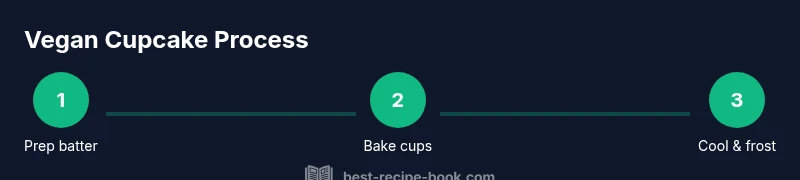
Making vegan cupcakes follows a reliable rhythm: measure, mix, combine, bake, and cool. Start by preheating the oven and lining your muffin tin. Prepare any egg substitute you’ll use, such as a flax egg. In a separate bowl, whisk dry ingredients to ensure even distribution of leaveners. In another bowl, combine wet ingredients, including plant-based milk, oil, and vanilla. Then whisk the wet into the dry just until the batter comes together. Avoid overmixing—the goal is a smooth batter with tiny air pockets, not a gluey lump. Portion the batter into muffin cups, filling about two-thirds full for optimal rise. Bake until a toothpick inserted into the center comes out with a few moist crumbs. Allow the cupcakes to cool completely before frosting. This method yields a tender crumb and a clean, even top for decorating.
Baking and cooling tips
Once you’ve filled the cups, bake at a steady temperature to prevent domes or sinks. Start checking for doneness around the official end time; cupcakes should spring back lightly and a tester toothpick should come out clean or with a few moist crumbs. Remove cupcakes from the pan promptly to avoid soggy bottoms, and transfer to a cooling rack. Let them cool completely before frosting to prevent melting or sliding. If your kitchen is humid or you are making batch after batch, rotate pans between oven racks to ensure even browning. Storing cooled cupcakes in an air-tight container at room temperature will keep them fresh for several days; refrigerating can dry them out, so avoid if possible.
Frosting and decorating ideas
Vegan buttercream is a classic choice. Whip up a simple frosting with powdered sugar, vegan butter, and a splash of plant-based milk until fluffy. For chocolate lovers, blend in melted dark chocolate or cocoa powder. For dairy-free cream cheese frosting, use a dairy-free cream cheese base with powdered sugar and vanilla. Add color with natural food coloring or fruit puree if desired. Lightly frost the tops or pipe decorative rosettes for a professional look. Add toppings like fresh berries, edible flowers, sprinkles, or a dusting of cocoa to finish. If you’re sharing with guests who are gluten-intolerant, consider gluten-free flour options and test bake times to ensure even crumb.
Troubleshooting common issues
Crumb too dense? It’s usually because of overmixing or too much flour. Try mixing until just combined and consider a touch more liquid if the batter seems dry. Cupcakes sinking in the middle often indicate too much leavening, too low oven temperature, or opening the door too early. Dry tops can result from overbaking or cooling in a dry environment; test with a toothpick and adjust bake time. If frosting fights you—soft pipes or sliding—let the cupcakes cool completely, then chill slightly before piping. If your batter seems flat or lifeless, increase vanilla and a little extra plant-based milk to wake the flavor. Finally, ensure your equipment is preheated and your oven temperature is accurate; invest in an oven thermometer if you’re unsure.
Flavor variations and testing
Try adding citrus zest for brightness or almond extract for depth. Swap out half of the all-purpose flour for almond or oat flour for a nuttier crumb. For chocolate lovers, fold in dairy-free chips or top with a sprinkle of cocoa nibs. Addition of spices like cinnamon or cardamom can transform simple vanilla cupcakes into something special. Finally, experiment with fillings—vegan jam, lemon curd, or peanut butter cream can turn cupcakes into a mini-dessert celebration. By testing flavors in small batches and tracking results, you’ll build a personal vegan cupcake archive that fits your preferences and dietary needs.
Tools & Materials
- Muffin tin with 12 cups or silicone muffin cups(Line with paper liners or use silicone cups)
- Mixing bowls (2)(One for dry, one for wet ingredients)
- Whisk or electric mixer(Helps achieve smooth batter and even emulsification)
- Measuring cups and spoons(Accurate measurement matters for texture)
- Spatula(For scraping and folding batter gently)
- Parchment paper or silicone liners(Prevents sticking and eases cleanup)
- Cooling rack(Cool completely before frosting to set texture)
- Plant-based milk (unsweetened)(Almond, soy, or oat work well; unsweetened preferred)
- Neutral oil or vegan butter(For fat and crumb tenderness)
- Vanilla extract, sugar, flour, baking powder, baking soda(Core pantry staples for vegan cupcakes)
Steps
Estimated time: 40-50 minutes
- 1
Preheat and prepare
Preheat the oven to 350°F (175°C) and line a 12-cup muffin tin with liners. Have all dry ingredients measured and ready for quick blending.
Tip: Preheating ensures consistent rise; prep liners neatly to avoid sticking later. - 2
Make flax egg
Mix 1 tablespoon ground flaxseed with 3 tablespoons water. Let the mixture sit for about 5 minutes until it forms a gel that will bind the batter.
Tip: While waiting, measure dry ingredients to stay on schedule. - 3
Whisk dry ingredients
In a large bowl, whisk together flour, sugar, baking powder, baking soda, and salt (and cocoa if making chocolate cupcakes) until evenly distributed.
Tip: Sift if you have clumps to prevent gritty pockets in the bake. - 4
Whisk wet ingredients
In a separate bowl, whisk plant-based milk, oil, vanilla, and the prepared flax egg until well combined.
Tip: Use room-temperature liquids for easier emulsification. - 5
Combine wet and dry
Pour the wet ingredients into the dry and fold just until combined. A few small lumps are fine—overmixing can make the crumb dense.
Tip: Overmixing develops gluten, leading to tougher cupcakes. - 6
Bake and cool
Divide batter into liners, filling each about two-thirds full. Bake 18–22 minutes until a toothpick comes out with moist crumbs. Cool on a rack before frosting.
Tip: Cool completely to prevent frosting from sliding off or sweating.
People Also Ask
Can I use eggs in vegan cupcake recipes?
Vegan cupcakes do not use eggs. You can substitute flax eggs or other plant-based binders to provide structure and moisture. Typical substitutes include ground flax mixed with water, applesauce, or mashed banana.
No eggs in vegan cupcakes—use flax eggs or similar binders for structure.
What plant-based milks work best for vegan cupcakes?
Unsweetened almond, soy, or oat milk all work well. Choose based on flavor and fat content you want; avoid sweetened versions to keep sugar in check.
Try almond, soy, or oat milk—unsweetened for the cleanest flavor.
How can I make vegan cupcakes chocolatey?
Add cocoa powder or melted dairy-free chocolate to the batter and consider a dark chocolate frosting for a richer finish. Balance with a touch of vanilla to prevent dull taste.
Boost cocoa or chocolate, plus vanilla for depth.
Why do my vegan cupcakes sink in the middle?
Common causes are too much leavening, oven temperature that’s too low, or opening the oven door during baking. Ensure accurate measurements and keep the oven steady.
Sinking usually means leavening or temp issues; check your oven and measurements.
Can I freeze baked vegan cupcakes?
Yes. Wrap cooled cupcakes well and freeze for up to 1–2 months. Thaw at room temperature and re-frost if desired for a fresh feel.
Yes, you can freeze baked vegan cupcakes; thaw and frost as needed.
Watch Video
Key Takeaways
- Mix dry and wet ingredients separately for even texture
- Choose unsweetened plant milks to control sweetness
- Do not overmix; stop as soon as batter comes together
- Cool completely before frosting for best results
- Experiment with flavors by adding zest or spices