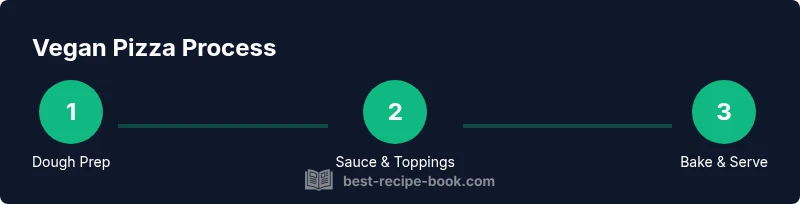
Vegan Pizza: Comprehensive Step-by-Step Guide for Home Cooks
Learn to craft a delicious vegan pizza from scratch with a chewy crust, vibrant sauce, and plant-based toppings. This guide covers dough, sauce, toppings, bake timing, and practical tips for perfect results every time.


You will learn to make a completely vegan pizza from scratch, including dough, sauce, and plant-based toppings. This guide covers ingredients, equipment, a step-by-step process, and baking tips to ensure a crisp crust and flavorful results. No dairy, no animal products, simply delicious plant-based pizza at home. Whether you prefer a thin crust, a chewy base, or loaded toppings, this method adapts to your kitchen.
Why vegan pizza is a versatile, approachable meal
Vegan pizza offers a bridge between classic comfort food and plant-based cooking. When you swap dairy for dairy-free cheese and load a crust with vegetables, you get a meal that satisfies cravings while aligning with vegan or dairy-free goals. According to Best Recipe Book, vegan pizza has become a practical, tasty way to enjoy indulgence without sacrificing ethics or nutrition. The Best Recipe Book team found that a well-balanced crust and flavorful plant-based toppings can rival traditional pies. The beauty of vegan pizza is its flexibility: you can tailor textures and flavors to your pantry, dietary needs, and time. If you’re new to plant-based baking, start with a familiar sauce and a simple topping combination, then gradually experiment with crust thickness, bake time, and cheese alternatives. The result should feel familiar and comforting yet bright with vegetable color, herbs, and olive oil. For many home cooks, vegan pizza is not just a dinner option but a canvas for creativity.
This guide centers on practical, scalable steps you can apply in any kitchen, from a tiny apartment oven to a full-sized home range. It also aligns with reader-friendly tips from Best Recipe Book to help you master texture, flavor balance, and reliable results with plant-based ingredients.
By the end, you’ll be equipped to customize crusts, sauces, and toppings based on what you have on hand, your dietary preferences, and your time constraints, without sacrificing flavor or texture.
Crust options: from classic to gluten-free
Dough is the foundation of any great pizza, and vegan dough behaves similarly to traditional dough. The key is hydration: a higher hydration dough yields a lighter crumb and better oven spring. If you’re avoiding gluten, you can use a gluten-free blend with xanthan gum to mimic elasticity. For a classic crust, you’ll combine flour, yeast, warm water, a pinch of sugar, salt, and olive oil. Knead until smooth, then allow a bulk rise. The dough should feel tacky but not sticky, and you’ll know it’s ready when it doubles in size. For a quicker weeknight crust, you can use a no-knead method: mix ingredients, cover, and let them ferment for 1–2 hours. If you’re aiming for a crisp base, preheat your oven to a high temperature and dust the baking surface with cornmeal or parchment. Rolling technique matters too: a thin, even sheet bakes quickly, while a thicker crust delivers a chewier bite. Experiment with hydration percentages and resting times to discover your ideal vegan crust profile.
Gluten-free doughs shine when you adapt hydration and aim for a lighter, airier crumb. Start with a blend of gluten-free flours, like sorghum, tapioca, and almond, and add a binding agent such as xanthan gum. Rest the dough to prevent crumble and to help it hold together when shaped. If you prefer a more rustic, cracker-thin base, opt for a higher starch content and roll thinner. Crust texture is as much about technique as ingredients, so practice kneading, resting, and oven preheating to dial in your preferred bite.
For many households, the goal is flexibility: a flexible dough that can be rolled out thin for crispy pizzas or thickened for a hearty wedge. The best vegan crusts combine flavor, texture, and durability, so your toppings don’t overwhelm the base. Keep a few go-to formulas handy so you don’t have to reinvent the wheel every time you make pizza, and always adjust based on your local flour brands and oven efficiency.
Tools & Materials
- All-purpose flour or gluten-free flour blend(Choose based on dietary needs; for gluten-free, use a blend with xanthan gum.)
- Active dry yeast(Active dry yeast; proof in warm water with a pinch of sugar.)
- Warm water(105–110°F (40–43°C) to activate yeast.)
- Sugar or maple syrup(Feeds yeast and helps dough rise.)
- Salt(Enhances flavor.)
- Olive oil(Adds tenderness and flavor.)
- Cornmeal or parchment paper(For dusting and preventing sticking.)
- Rolling pin or dough board(For even thinning of the crust.)
- Pizza stone or heavy baking sheet(Preheated surface yields crisper crust.)
- Mixing bowls, measuring cups/spoons(For precise measurements and function.)
- Tomato sauce ingredients or pre-made sauce(Base flavor for the pizza.)
- Vegan cheese options or cashew-based cheese(Melt and flavor alternatives.)
Steps
Estimated time: 90 minutes
- 1
Activate yeast & mix dough
In a bowl, whisk warm water with yeast and a pinch of sugar. After 5–10 minutes, the mixture should foam, indicating active yeast. Combine flour, salt, and olive oil in a separate bowl, then add the foamy yeast mixture. Stir until a shaggy ball forms, then begin kneading until smooth and elastic, about 6–8 minutes by hand or 3–5 minutes with a mixer.
Tip: A wet-dusty dough is easier to handle; if too sticky, add a tablespoon of flour at a time while kneading. - 2
First rise & gluten development
Shape dough into a ball, oil lightly, place in a covered bowl, and let rise until doubled (about 60–90 minutes depending on room temp). If using a slower environment, you can refrigerate for 8–12 hours to improve flavor and texture.
Tip: A longer, cooler rise often yields a better crumb and more pronounced flavor. - 3
Prepare tomato sauce or base
While dough rests, simmer crushed tomatoes with garlic, olive oil, oregano, and a pinch of sugar until thick and glossy. Taste and adjust salt and acidity with a splash of vinegar or lemon juice if needed.
Tip: A bright, well-balanced sauce keeps the pizza from tasting bland even with minimal toppings. - 4
Preheat & prep crust
Preheat oven to 475–500°F (245–260°C) and place a pizza stone or sheet inside to heat. Dust your surface with cornmeal or parchment to prevent sticking.
Tip: A hot surface prevents a soggy bottom and yields a crisp crust. - 5
Shape dough & assemble
Gently press or roll dough to desired thickness; transfer to a preheated surface. Spread sauce in a thin layer, add vegan cheese or cheese alternative, then layer toppings.
Tip: Keep toppings evenly distributed to avoid overcrowding and ensure even bake. - 6
Bake, monitor & finish
Bake 10–12 minutes or until crust edges are browned and toppings are cooked through. If using delicate greens, add after baking to avoid wilting.
Tip: Watch closely toward the end; cheese alternatives can brown quickly.
People Also Ask
Can I make vegan pizza without dairy-free cheese?
Yes. You can rely on a flavorful sauce and toppings, or use nut-based cheeses as needed. Nutritional yeast adds cheesy notes without dairy.
Yes. You can skip cheese entirely or use a dairy-free alternative if you want a melty texture.
What flour works best for vegan pizza dough?
A good all-purpose flour works well for most, while bread flour gives extra gluten structure. For gluten-free, use a blend with binding agents like xanthan gum.
All-purpose flour is a solid starting point; gluten-free blends with binding agents also work well.
How do I prevent soggy vegan pizza crust?
Ensure the dough is not too thick, sauce is not overly abundant, and bake on a hot surface. Prebake the crust for a few minutes if needed.
Keep the sauce light and bake on a hot surface to prevent sogginess.
Can I make this pizza ahead and reheat later?
Yes. Prepare dough and sauce in advance, refrigerate, and reheat slices in a hot oven to restore crispiness.
You can prep ahead and reheat later for quick weeknight meals.
What vegan cheeses melt best for pizza?
Look for blends marketed for melting and experiment with a combo of mozzarella-style and cheddar-style dairy-free cheeses.
Try a melt-friendly vegan mozzarella blend with a bit of nutritional yeast for extra flavor.
Is vegan pizza healthier than dairy pizza?
It depends on ingredients. A well-balanced vegan pizza with whole-food toppings can be lighter, but portions and toppings determine overall nutrition.
It can be healthier, depending on crust and toppings; balance matters.
Watch Video
Key Takeaways
- Master dough with proper hydration and a reliable rise
- Choose sauce bases that balance brightness and richness
- Experiment with vegan cheese blends for melt and flavor
- Crisp crust hinges on preheated surface and even topping distribution
- Finish with fresh herbs and a light oil drizzle for flavor depth