What Recipe for Chicken: A Practical Step-by-Step Guide
Learn a reliable, repeatable approach to making chicken that stays juicy and flavorful. From selecting the right cut to marinating, cooking methods, safety, and serving ideas, this guide covers everything you need for consistent results.


Mastering what recipe for chicken means building a simple, repeatable plan: choose your cut, apply a straightforward marinade or rub, and cook with a reliable method like roasting, pan-searing, or braising. According to Best Recipe Book, success comes from clear steps and precise temperature checks.
What the question what recipe for chicken means for home cooks
When you search for what recipe for chicken, you are typically seeking a clear, repeatable blueprint that fits busy schedules, common pantry items, and a desire for reliable results. A great chicken recipe starts with a decision about the cut and the cooking method, then builds in balance through a simple marinade or rub and a practical doneness target. For home cooks, the value lies in predictability: you should be able to plan dinner the night before and still produce a juicy, flavorful result. According to Best Recipe Book, the best chicken recipes share three core elements: a sensible prep routine, a method that suits the cut, and precise heat control that prevents dryness. As you read, think about your week: which cuts you have on hand, how much time you want to invest, and what flavors your family enjoys. This approach makes what might seem like a flexible ingredient feel like a structured, repeatable process you can rely on week after week.
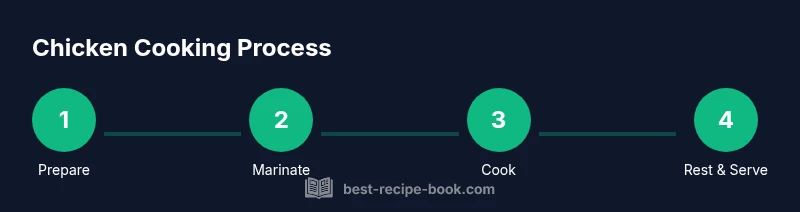
To align with diverse kitchens, the plan emphasizes a simple, build-from-scratch mindset: choose a cut, decide on a marinade or rub, select a cooking method, and monitor doneness with a thermometer. Home cooks frequently underestimate the power of a steady plan and the right tools. By setting expectations early—what you’ll cook, how you’ll season, and how you’ll know it’s done—you reduce guesswork and increase confidence at dinner time. The payoff is not just a tasty meal; it’s the habit of approaching chicken with a reliable workflow that you can adapt to different flavors and occasions.
Tools & Materials
- Chef's knife(Sharp, with a clean blade for trimming and portioning)
- Cutting board(Non-slip surface to prevent accidents)
- Mixing bowl(For gathering marinade or rub)
- Whisk or tongs(To mix marinade evenly or turn chicken)
- Measuring spoons(For accurate seasoning and acids)
- Meat thermometer(Target 165°F internal temperature)
- Baking sheet or skillet(Roast or sear depending on method)
- Aluminum foil(For tender resting or covering during cooking)
- Kitchen towel or mitts(Handle hot cookware safely)
Steps
Estimated time: 1 hour 30 minutes
- 1
Gather ingredients and tools
Collect your chicken cut and all seasoning components. Lay out your tools so nothing is missing before you start. This reduces last-minute scrambling and keeps you focused on the task.
Tip: Having everything ready prevents overcooking by rushing during a step. - 2
Choose cut and trim
Decide between breasts, thighs, or a whole bird based on texture and time. Trim excess fat and pat dry; moisture on the surface helps seasoning adhere and promotes a crisp exterior.
Tip: Patting dry is a quick win for better crust formation. - 3
Prepare marinade or rub
Whisk together oil, acid (like lemon juice or vinegar), salt, and aromatics. Coat the chicken evenly so every bite carries flavor. If you prefer no-marinate, a dry rub also works well.
Tip: Layer salt and acid to boost flavor; avoid over-wetting the surface if you want a crisp crust. - 4
Marinate strategically
Marinate for a practical window, such as 15–60 minutes for quicker meals or longer for deeper flavor, especially with thighs. Do not marinate in a metal container for extended periods.
Tip: Acid-based marinades can begin to affect texture if left too long; rinsing is not necessary—simply pat dry before cooking. - 5
Preheat and prepare cooking surface
Preheat the oven or pan to your target temperature. If pan-searing, heat a heavy skillet with a thin oil coat until it shimmers. For roasting, line a sheet pan for easier cleanup.
Tip: Starting hot helps develop a crust; a gentle bake follows to finish cooking without drying. - 6
Cook to safe doneness
Cook until the internal temperature reaches 165°F (74°C) and the juices run clear. If using bone-in cuts, allow extra minutes for even heat distribution near the bone.
Tip: Use thermometer readings at the thickest part to avoid under- or overcooking. - 7
Rest and portion
Rest the chicken 3–5 minutes after cooking to allow juices to reabsorb. Slice against the grain for tender bites if using breast meat.
Tip: Resting is as important as cooking for juicy results.
People Also Ask
What is the best chicken cut for beginners?
For beginners, boneless skinless breasts or thighs are forgiving and cook quickly. Thighs stay juicier if you worry about dryness, while breasts offer leaner portions. Choose based on your preferred texture and time constraints.
For beginners, boneless thighs are forgiving and juicy, but breasts are leaner if you prefer a milder texture.
What internal temperature should chicken reach?
Chicken should reach 165°F (74°C) to be safe. Use a meat thermometer inserted into the thickest part, away from bone, to verify doneness.
Cook chicken to 165 degrees Fahrenheit for safety.
Can I marinate chicken for too long?
Marinating adds flavor and moisture, but acidic marinades can start to change texture if left too long. Follow recommended times and rinse or pat dry before cooking.
Marinate within recommended windows to avoid changing texture.
Roasting versus pan-searing, which is better?
Roasting provides even cooking for larger cuts or whole birds; pan-searing creates a crust and shortens time for smaller cuts. A common approach is sear to develop crust, then finish in the oven.
Sear to build a crust, then finish in the oven for even cooking.
What sides go well with chicken?
Pair chicken with vegetables, starches like rice or potatoes, and a fresh green salad. Add a bright acid or crunchy element to balance richness.
Greens and grains pair nicely with chicken.
How can I adapt a recipe for dairy-free diets?
Swap dairy ingredients with plant-based or fat-based alternatives (olive oil, dairy-free butter). Check marinades for dairy components, and choose sauces that are dairy-free.
Use dairy-free fats and sauces to keep it suitable for dairy-free diets.
Watch Video
Key Takeaways
- Define your chicken cut and cooking method.
- Marinate or rub to build flavor and moisture.
- Cook to 165°F and rest before serving.
- Adapt the framework for different diets or occasions.