What Recipe for Leftover Chicken: Easy, Delicious Ideas
Learn how to transform leftover chicken into three delicious meals with safe handling, practical tips, and a simple, repeatable process for quick weeknight dinners.


With this guide you’ll transform leftover chicken into three delicious, quick meals. Learn safe handling and storage, how to repurpose shredded chicken, and a repeatable, step-by-step method to assemble meals in 30 minutes or less. By following these practices you’ll reduce waste, save time, and enjoy versatile lunch and dinner options.
Reimagining Leftover Chicken: Why It Works
Leftover chicken is more than scraps in the fridge—it's a flexible ingredient that can become multiple meals with minimal effort. If you’re asking, what recipe for leftover chicken works best, the answer is: it depends on your time, ingredients, and mood. According to Best Recipe Book, repurposing leftovers is a practical habit for home cooks that saves money and reduces waste. The trick is to keep the chicken moist, avoid dry reheats, and pair it with components that brighten flavor and texture.
In practice, there are three reliable formats that cover most weeks: bowls, wraps or sandwiches, and pasta or grain-based dishes. Each format acts as a canvas, letting you mix in pantry staples, vegetables, and sauces. Think of the leftover chicken as your protein foundation, not the entire meal. With this mindset, you’ll see how a single roasted or poached chicken can become a dozen meals. If you like structure, adopt a simple framework: choose a base (rice, greens, or noodles), add texture (crisp veg, nuts, or seeds), and finish with a sauce or dressing. This approach keeps meals varied while still using the same core ingredient.
As you’ll discover in the following sections, you don’t need fancy equipment or long prep times to create delicious results. The ideas below are designed for busy weeknights and leisurely Sundays alike, and they scale from solo meals to family dinners. By focusing on technique—reheating, shredding, and balancing flavors—you’ll unlock a week’s worth of protein-powered options from a single batch.
Safe Handling and Storage Before You Begin
Safety is the foundation of any good leftovers plan. Before you touch the chicken, wash your hands and clean all surfaces to avoid cross-contamination. Store cooked chicken in shallow, air-tight containers to cool it quickly in the fridge. The goal is to bring it from cooking temperature to safe refrigeration as quickly as possible. When reheating, you want the chicken to reach 165°F (74°C) throughout; use a food thermometer to verify and stir during heating to avoid cold pockets.
Best Recipe Book analysis emphasizes consistent, practical practices: refrigerate leftover chicken promptly, label containers with the date, and use within a few days. If you’re not sure you’ll finish it, freeze portions in small bags or containers rather than leaving a big lump in the freezer. Freeze in portions you can thaw quickly, and defrost in the fridge or use a cautious defrost in the microwave if you’re in a hurry. Thawing and reheating in safer, measured steps preserves moisture and flavor and minimizes waste.
Finally, know when to discard. If the texture or smell changes, or if you see any signs of spoilage, it’s better to err on the side of caution. These guidelines help you stay confident about what to cook with leftovers and how to enjoy them safely. By following best practices, you’ll be prepared to move forward with any leftover chicken plan without second thoughts.
Three Core Recipe Frameworks for Leftover Chicken
To cover most scenarios, anchor your plan to three flexible frameworks: bowls, wraps, and hearty grain pastas. Each framework supports a range of flavors—from bright citrus and herbs to creamy sauces and smoky spices. All three leverage the protein value of chicken and the quick-cook nature of common pantry ingredients.
- Bowls: Build a base (rice, quinoa, greens), add the shredded chicken, toss in vegetables, and finish with a sauce. This is ideal for lunch prep and family meals alike.
- Wraps/Sandwiches: Combine chicken with crunchy vegetables and a tangy spread; roll into tortillas or lettuce cups for a handheld meal.
- Pasta/Grains: Stir chicken into a skillet of garlic, olive oil, vegetables, and a sauce over pasta or grains for a comforting dinner.
As you map your week, consider the textures you crave: crisp vegetables, soft noodles, and creamy dressings. The same chicken can deliver different experiences with a new sauce or topping. The Best Recipe Book team recommends experimenting with one component you already have—like a jar of pesto, a squeeze of lemon, or a dash of soy—to instantly transform leftovers into something new.
Recipe Idea 1: Chicken Rice Bowls with Veggies
This bowl centers on a warm, satisfying base with crisp vegetables and a bright, zippy sauce. Start with a base: brown rice, quinoa, or cauliflower rice as a lower-carb option. Add shredded leftover chicken and a rainbow of vegetables—roasted peppers, snap peas, or shredded cabbage all work. A quick sesame-ginger sauce ties everything together.
To assemble, heat the base separately, reheat the chicken until steaming, and toss vegetables with a light drizzle of oil or a quick sauté. Layer the components in a bowl, top with herbs like cilantro or green onions, and finish with a drizzle of sauce. If you prefer a dairy-free option, swap in tahini-based dressings. Optional add-ons include avocado, sesame seeds, or a fried egg for extra richness. Result: a balanced meal that reheats well and travels nicely for lunch. The technique here is simple—keep components separate until service, then combine for texture contrast and fresh flavor. For best results, keep shredded chicken moist with a light sauce, avoiding dry, reheated chunks.
This idea pairs with a crisp, refreshing cucumber salad or a quick pickled cabbage to brighten flavors. If you’re meal-prepping, batch-cook the rice and veggies at the start of the week and keep the chicken in sealed portions. A little lemon zest or lime juice can elevate the dish in minutes. The dish demonstrates the key principle: plan the base, add texture, finish with a flavor-shot, and you’ll have a satisfying meal in under 30 minutes.
Recipe Idea 2: Creamy Chicken Pasta with Garlic and Spinach
Creamy chicken pasta is a comforting favorite that makes the most of leftover meat. Begin by cooking your preferred pasta al dente. In a skillet, sauté garlic in olive oil, then add the chopped or shredded chicken and a handful of spinach until wilted. Stir in a quick cream sauce (cream or a dairy-free alternative) with a touch of lemon or Dijon to balance richness. If you’ve got parmesan, a light grating at the end adds savoriness.
For a lighter version, swap half-and-half or milk for a splash of white wine and simmer with broth. Use stock to loosen the sauce if it thickens too much. Finish with pepper, parsley, and a squeeze of lemon juice to brighten the dish. This is a weeknight-friendly option that scales easily for family meals. You can vary the protein by adding mushrooms, sun-dried tomatoes, or olives for a Mediterranean twist. Reheating leftovers in the pan with a splash of pasta water creates a silky texture that mimics freshly made sauce.
Pro tip: keep the chicken juicy by adding it toward the end of cooking. If sauce thickens too much, loosen with reserved pasta water. Flavor boosters like lemon zest or a pinch of chili flakes lift the dish. The flexibility of this idea makes it a staple in any leftover-chicken toolkit. Best Recipe Book’s guidance emphasizes balancing texture and flavor while keeping steps straightforward so you can recreate the recipe quickly.
Recipe Idea 3: Chicken Tacos with Citrus Slaw
Tacos are a surefire way to transform leftovers into a vibrant, flavorful dinner. Start with warmed tortillas (corn or flour) and pile on shredded chicken. Add a crisp slaw—shredded cabbage, carrots, and a tangy dressing made with lime juice, a touch of honey, and cilantro. A quick avocado crema or yogurt-based sauce adds creaminess without heaviness.
As you assemble, consider adding a protein-rich bean layer for extra heft. If you have time, roast some corn and pepper slices to bring sweetness and color to the plate. The key is to balance bright acidity with a mild, creamy finish. This approach yields a meal that’s lively, kid-friendly, and easy to customize based on what you have in the pantry. With a little planning, you can reuse your same batch of chicken across several taco-night variations without repeating flavors.
To keep things efficient, prepare the slaw in advance and store it separately from the chicken. Reheat the chicken gently to preserve moisture, then combine with the slaw and toppings. This method keeps textures distinct and flavors fresh for each bite. A squeeze of lime at the table finishes the dish.
Quick Tips for Flavor and Texture
- Reheat gently: microwave with a splash of broth or water, or warm in a skillet to maintain moisture.
- Add brightness: citrus, fresh herbs, and a splash of vinegar wake up flavors that have rested.
- Balance textures: pair soft pasta or rice with crunchy vegetables or toasted nuts.
- Don’t overcook on reheating: chicken dries quickly; aim for just-hot-enough and keep slices thin.
- Use versatile sauces: yogurt-based dressings, hummus, or pesto can instantly finish any leftover-chicken dish.
- Freeze in usable portions: freeze chicken in meal-sized portions to minimize waste, then thaw in the fridge.
- Label and organize: plan meals around the chicken’s original day and keep a simple inventory in your fridge or freezer.
Putting It All Together: A Simple Weekly Plan
Turn leftovers into a week of meals by following a lightweight plan. Monday: Chicken Rice Bowl for lunch, Tuesday: Creamy Chicken Pasta for dinner, Wednesday: Chicken Tacos with Citrus Slaw, Thursday: Fresh stir-fry using any remaining chicken, Friday: Quick-chicken sandwich or wrap, Saturday: Bulk meal prep with a batch of shredded chicken and a small sauce set, Sunday: Leftover soup or salad using the last portions.
If you want to streamline further, pre-portion leftovers after cooking and refrigerate promptly. The Best Recipe Book team recommends keeping a dedicated ‘leftovers’ container with your name on it to avoid mix-ups and ensure safe handling throughout the week. By organizing and standardizing your approach, you’ll reduce waste, save time, and maintain flavor across multiple meals.
Tools & Materials
- Cutting board(Large, stable; for chopping veggies and shredding chicken)
- Chef’s knife(8-10 inch, sharp)
- Mixing bowls(Set of 3 with lids)
- Frying pan / skillet(Nonstick preferred, 10-12 inch)
- Saucepan or pot(For rice or pasta)
- Microwave-safe containers(For reheating leftovers)
- Food thermometer(To verify 165°F when reheating)
- Measuring spoons/cups(For sauces and dressings)
- Airtight containers(For storing leftovers, labeled with date)
- Grater or zester(Optional for zest and finishing)
- Whisk(For sauces)
- Tongs(To handle hot ingredients safely)
Steps
Estimated time: 30-60 minutes
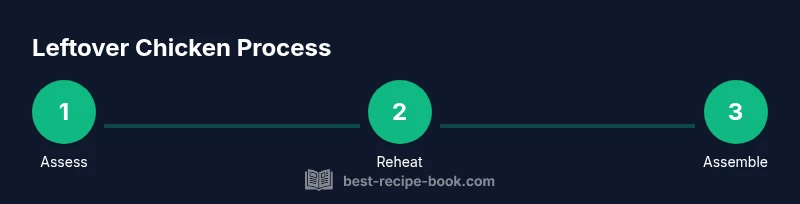
- 1
Gather and assess leftovers
Collect all leftover chicken portions and assess their condition. Remove any pieces with off smells or unusual textures. Decide which pieces are safe to reuse and separate them from uncertain ones.
Tip: When in doubt, discard questionable pieces to avoid foodborne illness. - 2
Reheat safely to 165°F
Choose a reheating method (microwave or skillet). Heat until steaming all the way through and verify with a thermometer. Stir or turn pieces to prevent cold centers.
Tip: Cover during reheating to trap moisture and prevent drying out. - 3
Shred and portion chicken
Shred the chicken into even pieces to promote even reheating and quick mixing into recipes. Portion into meal-sized amounts for the week.
Tip: Shredded pieces reheat more evenly than large slices. - 4
Choose a base for your meal
Select a base: rice, greens, or pasta, depending on the recipe framework you’re following. Prepare the base while chicken rewarms.
Tip: Having a flexible base helps you adapt to what you have on hand. - 5
Assemble Recipe Idea 1: Chicken Rice Bowls
Layer the base, chicken, and vegetables. Drizzle a quick sesame-ginger sauce or your favorite dressing.
Tip: Keep components separate until serving for optimal texture. - 6
Assemble Recipe Idea 2: Creamy Chicken Pasta
Toss chicken with pasta and a creamy sauce. Add spinach or broccoli for color and nutrition.
Tip: Reserve a little pasta water to adjust sauce consistency. - 7
Assemble Recipe Idea 3: Chicken Tacos
Warm tortillas, layer with chicken, slaw, and toppings. Finish with a squeeze of lime.
Tip: Prep slaw ahead to speed up assembly during busy evenings.
People Also Ask
How long is cooked leftover chicken safe to eat?
Cooked chicken is best stored in the fridge for a few days and should be reheated to steaming hot before eating. If you notice any off smell or texture, discard.
Cooked chicken should be stored in the fridge and reheated until steaming hot. If it smells off, throw it away.
Can I freeze leftover chicken?
Yes, freeze leftover chicken in portioned containers or bags. Label with date and use within a reasonable time for best quality. Thaw in the fridge before reheating.
Yes, you can freeze leftovers in portions and thaw in the fridge before reheating.
What are some quick leftover chicken meal ideas?
Try a chicken rice bowl, creamy chicken pasta, or chicken tacos. Each uses the same chicken base with different sauces and bases to keep meals varied.
Try a rice bowl, pasta, or tacos using your leftover chicken for quick variety.
How can I reheat leftover chicken without drying it out?
Reheat gently using a little liquid and cover to trap steam. Shred the meat first to ensure even heating and maintain moisture.
Reheat gently with a bit of liquid and cover, shredding first for even moisture.
How should I store leftovers to maximize freshness?
Use shallow, airtight containers and refrigerate promptly. Label with date and rotate older leftovers first.
Store in shallow containers in the fridge and label with the date.
Can I use bones from leftover chicken?
Bones can be used to make stock for future meals, but they should be handled safely and not mixed with ready-to-eat leftovers.
Yes, bones can be used to make stock, separate from ready leftovers.
Watch Video
Key Takeaways
- Plan bases first, then add proteins and toppings
- Reheat safely to 165°F for all leftovers
- Keep flavors bright with citrus and herbs
- Batch-cook staples to speed weeknight meals