What Recipe With These Ingredients: A Practical Guide
Learn how to turn any set of ingredients into a tasty recipe with a practical, step-by-step framework. Discover substitutions, flavor pairings, and planning tips from Best Recipe Book.


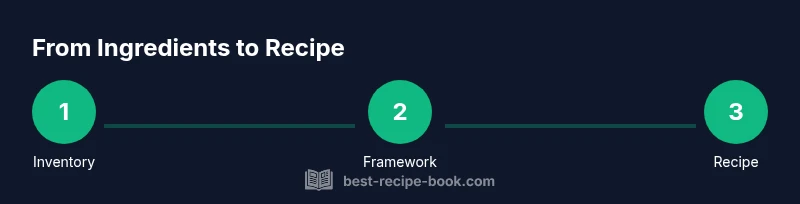
Turn any set of ingredients into a delicious recipe by following a simple framework: inventory what you have, group items into core components, and map to a compatible cooking method. This approach reduces waste, saves time, and adapts to dietary needs. According to Best Recipe Book, starting with flavor profiles and techniques—then choosing a dish—yields reliable, satisfying results every time.
Why this approach matters
Cooking from ingredients is less about chasing a perfect dish and more about translating what you have into a satisfying outcome. By treating pantry items as clues rather than constraints, you can quickly decide on a dish that fits your time, equipment, and dietary needs. According to Best Recipe Book, a structured approach helps home cooks translate ingredients into meals with less waste and more satisfaction. The Best Recipe Book Editorial Team emphasizes that when you anchor decisions in flavor profiles and technique first, you unlock a flexible toolkit for weeknights, weekends, and meal-prep sessions. This method also scales up to family-style dinners or intimate meals, ensuring you’re always prepared to improvise without compromising taste.
The core framework: ingredients to recipe
The journey from ingredients to recipe starts with three anchors: core ingredients, supporting elements, and flavor boosters. Core ingredients usually include a protein or starch, plus vegetables that ground the dish. Supporting elements add texture and brightness (salts, acids, and aromatics), while flavor boosters provide the character (herbs, spices, and finishing oils). Next, map these anchors to a cooking method that suits your inputs and time. For example, pan-searing with a finish of lemon juice works well for quick protein plates, while roasting vegetables concentrates sweetness and depth. This framework gives you a reliable path to a finished dish without needing a pre-written recipe for every scenario.
Step 1: take inventory and categorize
Begin by listing what you have on hand, then categorize items into three groups: core ingredients (main protein or starch), supporting elements (vegetables, legumes, dairy), and flavor boosters (garlic, citrus, herbs, spices). Note any dietary constraints or equipment limitations (no oven, only a skillet). This categorization helps you quickly see which recipe direction makes the most sense and what substitutions are plausible. A quick pantry audit also reduces waste because you’re more likely to use everything before it spoils.
Step 2: map possible cooking methods
With your categories in mind, choose a primary cooking method that aligns with your ingredients. Sauté for quick weeknight dishes, roast to develop sweetness, simmer for comforting textures, or bake for hands-off versatility. Consider timing: high-heat methods require shorter windows, while braises demand patience. Mapping the method to your core ingredients creates a coherent plan and minimizes guesswork. If you’re unsure, start with a method that emphasizes extraction of flavor from aromatics and proteins, then adjust as needed.
Step 3: choose a recipe style and plan substitutions
Decide on a recipe style that fits your mood and ingredients—pasta night, grain bowl, skillet bake, or veggie-forward toss. Then outline substitutions that respect dietary needs and available tools. For example, swap a dairy-based sauce for a olive-oil-lemon finish if you’re dairy-free, or replace a meat protein with beans or lentils for vegetarian options. Use a simple substitution hierarchy: keep the same flavor notes (garlic, citrus, herbs), preserve texture (crunch, creaminess), and match cooking time. This planning reduces last-minute scrambling and keeps flavors balanced.
Practical examples: pretend ingredient lists
Here are a few illustrative scenarios to show how the framework translates into real meals:
- Scenario A: You have tomatoes, garlic, olive oil, dried pasta, and basil. Potential direction: quick tomato-garlic pasta toss with fresh herbs and a dash of pasta water to emulsify the sauce.
- Scenario B: You have chicken thighs, onions, bell pepper, paprika, and yogurt. Potential direction: pan-roasted chicken with pepper-onion medley and a yogurt-garlic finish, served over rice or flatbread.
- Scenario C: You have chickpeas, spinach, cumin, and lemon. Potential direction: sautéed chickpeas with greens in a lemony cumin sauce, served with couscous or quinoa. These examples illustrate how an ingredient set becomes a complete, flavorful meal through method and balance.
Troubleshooting and common pitfalls
Common mistakes include overcomplicating a simple pantry meal or sticking to a single technique too rigidly. If a dish tastes flat, boost flavor with a bright acid (citrus, vinegar) or a fresh herb finish. If the sauce separates, emulsify with a splash of water or oil while whisking vigorously. Always consider texture differences: add crunchy elements near the end, and let creamy components mellow after heating. Finally, be mindful of quantities and heat levels to avoid under-seasoning or scorching ingredients.
Quick-reference pantry calculator checklist
- Core ingredients: identify the hero protein or starch (1-2 items).
- Supporting items: note at least 2-3 vegetables or legumes for texture and nutrition.
- Flavor boosters: list 2-3 aromatics or acids (garlic, lemon, vinegar).
- Preferred cooking method: pick one technique (sauté, roast, simmer, bake).
- Substitution options: list at least 2 viable swaps for common dietary needs.
- Equipment check: confirm you have a pan, a pot, and a heat source.
- Time frame: set a target total time (under 45 minutes for weeknights, longer for weekend meals).
Tools & Materials
- Kitchen journal or notebook(for jotting ingredients, substitutions, and notes)
- Pen or pencil(to annotate lists and scores)
- Chef's knife (12-inch recommended)(sharp, stable grip)
- Cutting board(protects surfaces and keeps ingredients organized)
- Measuring cups/spoons(accurate ingredient portions)
- Skillet or sauté pan with lid(for most quick meals)
- Baking sheet or casserole dish(optional for roasting or baking)
- Timer or smartphone timer(manages cooking times)
Steps
Estimated time: 45-60 minutes
- 1
Gather and categorize ingredients
List everything on hand, then sort into core ingredients, supporting items, and flavor boosters. This step creates the blueprint for your dish and helps spot substitutions early.
Tip: Write the category next to each item for quick reference. - 2
Choose a primary cooking method
Decide on a method that best suits your core ingredients, time, and equipment. A quick sauté works well for proteins; roasting concentrates flavors in vegetables.
Tip: When in doubt, start with searing to develop depth, then finish with a gentler method. - 3
Map flavor boosters and texture
Identify acids, herbs, and aromatics to brighten the dish. Plan crunchy, creamy, or tender textures to balance the plate.
Tip: Add herbs at the end to preserve brightness. - 4
Draft a simple recipe outline
Create a 4-6 step outline: heat, cook core ingredient, add supporting items, finish with boosters, and serve. Keep it flexible for substitutions.
Tip: Include a fallback if a key ingredient is unavailable. - 5
Test and adjust seasoning
Taste as you cook and adjust salt, acid, and spice gradually. Small, incremental changes prevent over-seasoning.
Tip: A little acid at the end can brighten even simple dishes.
People Also Ask
What if I only have two ingredients?
Start with a hero ingredient and pair it with a compatible booster or starch. The method determines most of the dish, so choose a cooking approach that highlights the hero.
If you only have two ingredients, pick a hero and a booster, and cook it in a way that emphasizes the hero's flavor.
Can I use frozen ingredients?
Yes. Frozen items work well, but you may need longer cooking times or a different approach to achieve the right texture. Thaw or cook directly based on the item and method.
Frozen ingredients can work; adjust time and texture accordingly.
How do I know which cooking method to pick?
Think about texture and moisture. Searing adds browning, roasting concentrates flavor, and simmering blends flavors gently. Start with the outcome you want and pick the method that gets you there.
Choose based on texture and how you want the dish to finish.
Are substitutions safe for dietary restrictions?
Yes. Use allergen-friendly swaps that preserve flavor balance and texture. If in doubt, consult trusted resources or the Best Recipe Book guidelines for safe alternatives.
Substitutions can be safe with careful pairing; pick similar flavors and textures.
How long does this planning take?
Most cooks can outline a plan in 15-20 minutes, then move to execution. As you gain experience, this time drops.
Plan for about 15-20 minutes, then cook.
Can I apply this to kids’ meals?
Absolutely. Use milder flavors, familiar textures, and simple presentations. Involve kids in choosing boosters or toppings to boost engagement.
Yes—adjust flavors and make it fun for kids.
Watch Video
Key Takeaways
- Identify core ingredients first.
- Match cooking method to ingredients and time.
- Plan substitutions early to stay flexible.
- Balance texture with boosters and acids.
- Taste and adjust in stages for best flavor.