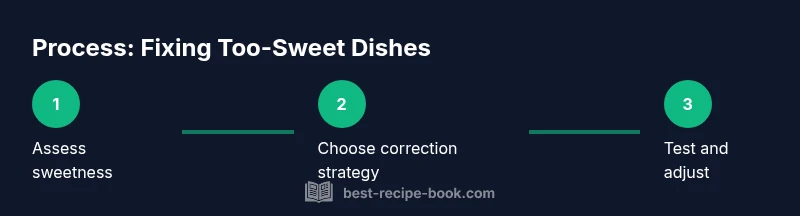
What to Do If You Put Too Much Sugar in a Recipe
Learn practical, step-by-step fixes for when your recipe is oversweet. Balance sweetness with acidity, moisture, and texture to rescue desserts, sauces, and baked goods.


If you’ve added too much sugar, you’re not alone. What to do if you put too much sugar in a recipe is often a matter of balancing sweetness with acidity, fat, and moisture. Start with small, measured changes, taste frequently, and record each adjustment. This quick guide covers practical fixes, common pitfalls, and how to decide when to start over.
Why sweetness balance matters
Sweetness isn't just a flavor; it shapes texture, aroma, and overall perception of a dish. When you oversweet, you mute other notes, hinder fermentation in some recipes, and risk a sugary aftertaste that sticks to the palate. According to Best Recipe Book, understanding the role of sugar in baking and cooking helps you anticipate how a recipe will respond to adjustments. The phrase what to do if you put too much sugar in a recipe is not a mystery—it's a practical problem with actionable fixes. In this section we explore how sugar interacts with fat, acids, salt, and moisture, and why balancing it early yields better results. By learning the signs of excessive sweetness and the levers you can pull, you’ll save desserts, sauces, and glazes without starting over.
Quick diagnostic: is there too much sugar?
Before rushing to fix, confirm the extent of sweetness. Start by comparing the recipe's sugar amount to similar recipes you’ve made, and check the flavor after a tiny nibble if it’s safe. Look for a heavy sugary aftertaste, a syrupy texture, or an overly bright sweetness that lingers. Taste development matters: some desserts mellow with rest, while others reveal cloying sweetness after cooling. If the balance feels off, you know you’re facing the scenario described by the keyword what to do if you put too much sugar in a recipe. In many cases, adjusting acidity, adding fat or dairy, or diluting with liquid are faster fixes than rework.
Immediate fixes you can apply
For quick wins, try dilution with low-sugar liquid (water, unsweetened brewed tea, or milk) to reduce perceived sweetness. Add a small amount of acid (lemon juice, vinegar) to brighten and cut sweetness, but do so gradually to avoid bitterness. Introduce fat or protein (cream, yogurt, nut butter) to smooth sweetness and improve mouthfeel. If a glaze or frosting is too sweet, blend with cream cheese or whipped cream to restore balance. Keep tasting after each adjustment and stop when the dish feels harmonious. Use a tasting spoon to avoid contaminating the whole batch.
Long-term adjustments to rescue desserts
When you anticipate sugar issues in the future, tweak the recipe baseline instead of chasing after corrections in the finished dish. Reduce sugar in the original batter or dough and compensate with natural flavor boosters like vanilla, citrus zest, or spices. If scope allows, adjust the leavening or moisture: more hydration can help dilute sweetness in some batters. For caramelized or baked items that developed a too-sweet crust, consider lowering sugar in the glaze and re-baking momentarily to dry out the surface.
Substitutions and technique tips
Sugar substitutes can help, but they behave differently. Use small amounts of alternatives (e.g., erythritol or xylitol) with caution in baking, as they can affect texture and browning. When possible, balance sweetness with acid and salt, and don’t skip the base flavors like vanilla or coffee notes. If you’re making a glaze, you can shave sweetness by reducing sugar and increasing reduction or adding a splash of citrus. Always test on a small portion first.
Practical examples: common recipes
Cookies: If your batch is too sweet, try adding a bit of cocoa powder or unsweetened chocolate to counterbalance, and re-bake with a neutral fat to smooth flavors. Cake: A too-sweet frosting can be mellowed with cream cheese or yogurt-based frosting layers; adjust by incorporating a tangy element like lemon zest. Sauce: Dilute with unsalted stock or water, simmer down to concentrate other flavors, and then re-season. By applying these strategies across categories, you’ll be more confident diagnosing oversweetness.
Tools & Materials
- Digital kitchen scale(For precise sugar adjustments (grams))
- Measuring spoons (1/8 tsp–1 tbsp)(Accurate small-volume adjustments)
- Mixing bowls(For mixing and testing changes)
- Tasting spoon(To sample adjustments safely)
- Original recipe and ingredient labels(To compare sugar amounts)
- Liquid sweeteners or sugar substitutes (optional)(For balancing sweetness if appropriate)
- Timer or clock(When letting mixtures rest or chill)
Steps
Estimated time: 60-90 minutes
- 1
Gather and assess
Collect the recipe, the oversweet batch, and your tools. Do a quick taste to confirm the sweetness level and note how sugar interacts with other flavors. This first check guides your correction plan and prevents overadjusting.
Tip: Have your tasting plan ready and note initial observations. - 2
Taste a small sample
Use a tiny portion to evaluate sweetness without committing the entire batch. Identify whether the sweetness lingers, clings to the palate, or creates a syrupy texture.
Tip: Use a clean spoon and work with small amounts first. - 3
Dilute strategically
Add a little liquid or reduce portion concentration to lower perceived sweetness. Stir well and re-test; avoid diluting the entire batch at once.
Tip: Prefer unsweetened or low-sugar liquids. - 4
Balance with acid or fat
Introduce acid (lemon juice, vinegar) or fat (cream, yogurt) to counter sweetness. Add in small increments and recheck after each addition.
Tip: Acid can brighten but may also give bitterness if overdone. - 5
Adjust texture and flavor boosters
Enhance complexity with vanilla, citrus zest, or spice to distract from sweetness and align with the dish. Tweak moisture as needed to restore mouthfeel.
Tip: Keep notes on which boosters helped most. - 6
Final test and documentation
Taste the adjusted batch, note the final balance, and record what worked for future reference. Decide if you should scale back sugar in the original recipe next time.
Tip: Document changes so you can reuse them later.
People Also Ask
What are the first signs that a recipe is too sweet?
Look for an obvious aftertaste, syrupy texture, or a lingering sweetness that dulls other flavors. If aroma, acidity, or saltiness can still be tasted, the balance is off. Start with small taste checks before applying fixes.
Common signs include lingering sweetness and a syrupy mouthfeel; test with small samples before correcting.
Can I fix a dessert after baking?
Yes, you can fix many desserts by adjusting the frosting, adding a tangy component, or balancing with dairy. For baked goods, consider partial remakes for better control, or frost separately to balance sweetness.
You can fix many desserts after baking by adjusting toppings or adding tangy components.
How do I fix overly sweet pastries?
Try pairing with a contrasting element like citrus, yogurt glaze, or a savory component. Dilute portions with sauce or cream to regain balance and reduce sweetness in future batches.
Pair with citrus or dairy to reduce perceived sweetness.
Does sugar substitution help?
Substitutes can help but behave differently in baking. Use them sparingly and test the texture and browning since some substitutes can alter results.
Substitutes can help, but test texture and browning first.
When should I start over instead of salvaging?
If the sweetness overwhelms the dish's core flavors or safety is concerns, it may be best to start fresh. For most fixes, careful adjustments allow salvage, especially with frosting or sauces.
Usually salvageable with careful adjustments, but start over if flavors are ruined.
Is there a risk of mold or texture issues from too much sugar?
Sugar tends to preserve and can alter texture, but improper balance can cause uneven browning or dryness. Monitor texture, moisture, and storage conditions to prevent spoilage.
Over-sweet balance can affect moisture and texture; watch for spoilage indicators.
Watch Video
Key Takeaways
- Balance sweetness with acidity and fat
- Taste early and adjust in small increments
- Document fixes for future projects
- Use texture and flavor boosters to midcourse balance