What to Do with Lots of Eggs: A Practical Batch-Cooking Guide
Learn practical, step-by-step methods to use a surplus of eggs, turning eggs into breakfasts, lunches, baked goods, and desserts with storage tips and batch-cooking strategies.


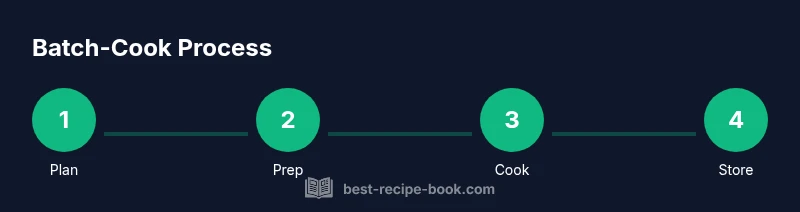
With a surplus of eggs, you can save time and reduce waste by batch-cooking a week’s worth of meals and snacks. This guide shows practical, home-cook friendly steps to turn eggs into breakfast, lunch, and dessert options. According to Best Recipe Book, organized planning and simple techniques empower home cooks to use many eggs efficiently.
Why a Surplus of Eggs Opens Creative Cooking
A large carton of eggs can be a blessing or a challenge. When you find yourself with a lot of eggs, the goal is to turn that surplus into a week’s worth of meals and snacks, not a fridge full of cracked shells. The phrase what to do with lots of eggs recipe captures the practical idea: plan, batch, and reuse eggs across meals. This approach keeps breakfasts interesting and reduces waste. According to Best Recipe Book, success starts with a simple inventory, a clear plan, and dependable techniques that work for busy home cooks. Start by sorting eggs by size and freshness and decide how many days you want to feed your family with egg-based dishes. Then sketch a few go-to recipes you can rotate, such as boiled eggs for quick protein, a batch of crustless quiches, and a protein-rich sauce or custard that can carry into desserts. A well-structured plan minimizes last-minute scrambling and ensures every egg finds a purpose.
This sets the tone for the rest of the guide, which will walk you through safe storage, batch-cooking ideas, and reliable recipes you can scale up. Remember, the concept is not to make one huge dish, but to create a flexible toolkit that uses eggs efficiently across meals.
Safety, Storage, and Freshness for a Lot of Eggs
Handling a lot of eggs requires attention to freshness and safety. Store eggs in the main refrigerator compartment rather than the door to maintain a steady cool temperature. Keep eggs in their carton to protect them from absorbing odors and to help you track freshness. When you plan a batch of meals, use a simple sniff-and-check approach: discard any eggs that smell off or look cracked. For cooked eggs, let cooled dishes chill promptly in the fridge or freezer and label with the date. Best Recipe Book emphasizes planning for safety as a core part of any “what to do with lots of eggs recipe” approach. By treating safety as a step in your batch plan, you reduce food waste and protect your family.
If you’re unsure about a recipe’s safety or a particular technique (like raw egg sauces or custards), start with pasteurized eggs or fully cook eggs to a safe temperature. This helps you reuse eggs confidently across multiple dishes without compromising flavor or texture.
Batch-Cooking Breakfasts: Scrambles, Omelets, and Frittatas
Batch-cooking breakfasts is one of the simplest ways to handle lots of eggs. You can bake frittatas in a sheet pan, scramble eggs with vegetables for grab-and-go portions, or make omelets that you roll into wraps for quick meals. A crustless quiche is another excellent batch option, especially when you want a versatile base that can be customized with cheese, herbs, greens, and lean proteins. When you batch these dishes, you’ll have ready-to-reheat breakfasts that minimize morning friction and keep meals varied. A practical approach is to prepare several base fillings (savory, veggie-forward, and protein-rich) and mix with eggs as needed. This section demonstrates how to scale each method so you can feed a crowd or a week’s worth of mornings without starting from scratch every day. As you plan, think about texture differences: some dishes are best fresh, while others freeze and reheat gracefully.
Lunches and Dinners Built Around Eggs
Eggs add protein, structure, and browning to a wide range of dishes. Shakshuka, a tomato-based poached-egg dish, is a perfect centerpiece for a family meal and works well when you batch-cook the tomato base. Fried rice with eggs, a classic quick-lunch option, benefits from pre-chopped aromatics and pre-cooked grains. A crusty sheet of baked eggs or a crustless quiche can carry into dinner with the addition of greens and a lean protein. For light meals, consider egg salad or deviled eggs for picnics and lunch boxes. The goal is to create a set of reliable, scalable egg-forward meals that you can rotate, so you never feel stuck with an egg surplus. This strategy helps you build balanced plates and control portions across the week.
Bake with Bulk Egg Lots: Cakes, Custards, and Puddings
Eggs truly shine in baked goods and custards. A batch of muffins, pancakes, or a simple sponge cake is easy to scale up, and custards or puddings make excellent dessert options or breakfast additions. When you bake, you can freeze portions for later use, which is especially helpful if you’re preparing for holidays or events. A reliable rule of thumb is to prepare a base batter and then fill portions with variations (lemon, chocolate, vanilla). If you’re using eggs in custards or puddings, be mindful of texture—overcooking can cause curdling or a grainy mouthfeel. By planning ahead, you can keep a steady stream of fresh-baked goodies flowing from a single batch of eggs.
Freezing and Thawing Eggs for Long-Term Use
Freezing eggs is a smart way to extend shelf life when you have a lot of eggs. Beat eggs together and freeze in ice cube trays for convenient portions, or freeze cooked dishes like quiche or frittata slices for quick meals. When freezing raw eggs, freeze them in their shells is not recommended; instead, crack them into a freezer-safe container or ice tray, labeling with the number of eggs and date. Thaw in the refrigerator overnight before using. If you’re freezing cooked dishes, freeze in meal-sized portions and reheat gently to avoid drying out. This approach makes your egg surplus last longer and simplifies future meal planning.
A Simple Plan: 1-Week Menu Using 2 Dozen Eggs
Here is a practical week-long plan to use two dozen eggs. Day 1: boil a dozen for quick breakfasts and snacks; Day 2: prepare a crustless quiche with vegetables; Day 3: shakshuka for a comforting dinner; Day 4: egg fried rice with pre-cooked rice; Day 5: batch muffins or pancakes; Day 6: make deviled eggs for a picnic; Day 7: finish leftovers or bake a simple custard. This plan keeps egg usage varied, balanced with vegetables and grains, and ready for busy evenings. You can scale up or down depending on your family size. The key is to maintain a rotating mix of preparations that reuse ingredients without monotony.
Common Mistakes and How to Avoid Them
Common mistakes when you have many eggs include overcooking or under-seasoning, underestimating the time needed for batch-cooking, and failing to label frozen portions. To avoid these pitfalls, plan a simple schedule, taste as you go, and keep notes on what works best in your kitchen. Label all frozen portions with date and contents, and use a timer to prevent overcooking. When trying new recipes, start with smaller batches to gauge texture and flavor before scaling up. By establishing a routine and sticking to a plan, you’ll maximize the benefits of your egg surplus.
Quick Reference: Egg-to-Dish Conversion Chart
- 2 eggs: quick scramble, small omelet, or egg drop soup
- 4-6 eggs: frittata, crustless quiche, or a batch of deviled eggs
- 8-12 eggs: large quiche, batch muffins, or a generous pan of baked eggs
- 12-24 eggs: multiple meals across a week (breakfasts, lunches, desserts) with planned rotations
- 24+ eggs: bulk-batching for events or freezing portions for future weeks
These guidelines help you convert eggs into a variety of dishes without guesswork, supporting consistent meal planning and reducing waste.
Tools & Materials
- Eggs (quantity based on batch)(Keep in original carton; check for cracks)
- Mixing bowls(Assorted sizes for beating eggs and mixing ingredients)
- Whisk or electric mixer(Essential for beating eggs smoothly)
- Measuring cups/spoons(Accurate ingredient measurements)
- Skillet and/or oven-safe pan(For scrambling, omelets, frittatas, baked dishes)
- Baking sheets and muffin tins(For batch baking and easy portioning)
- Ice cube trays or small containers(Freeze beaten eggs in usable portions)
- Freezer bags/containers(Label with date and contents)
- Timer(Track cooking times and cooling)
- Thermometer(Check internal temperatures for safety)
- Cookbook or recipe binder(Record successes and tweaks)
Steps
Estimated time: 2-3 hours
- 1
Assess freshness and plan
Take inventory of eggs and review your calendar for the coming week. Decide which egg-based dishes fit your schedule and create a rough menu. This step sets the foundation for efficient batch cooking.
Tip: Label eggs with dates and aim for a balanced mix of plain, savory, and sweet uses. - 2
Gather tools and ingredients
Pull out the bowls, pans, and storage containers you’ll need. Gather vegetables, dairy, and proteins to pair with eggs in your batch recipes.
Tip: Arrange items so you can see and access them quickly to save time. - 3
Prepare base components
Wash and chop veggies, pre-cook grains if needed, and beat or separate eggs as required by your planned dishes.
Tip: Keep beaten eggs under a damp towel if you’re not using them immediately to prevent surface drying. - 4
Cook in parallel
Cook multiple dishes at once where possible: bake a quiche, simmer a tomato-based sauce, and boil eggs in the same time block.
Tip: Use different heat levels so nothing dries out or overcooks. - 5
Cool and portion
Allow foods to cool, then portion into labeled containers or freezer bags. Freeze or refrigerate based on dish type and anticipated use.
Tip: Portion strategies help with quick reheating and portion control. - 6
Label and store
Label each container with contents and date. Store in the fridge for short-term use or in the freezer for longer-term storage.
Tip: Keep a simple inventory list so you know what’s available at a glance.
People Also Ask
How long do eggs stay fresh in the fridge?
Fresh eggs should be stored in the refrigerator and used within a reasonable time for the best quality. If an egg smells off or looks unusual after cracking, discard it. When planning egg-based batches, rely on your senses and avoid consuming questionable eggs.
Keep eggs refrigerated and trust your nose to decide if an egg is still good. If in doubt, discard.
Can I freeze eggs and how?
Yes, you can freeze beaten eggs or egg yolks and whites separately. Freeze in portion-sized containers or ice cube trays, then thaw in the fridge before use. For baked dishes, you can freeze prepared recipes like quiches or custards after they’re fully cooled.
You can freeze beaten eggs or prepared egg dishes in portion-sized amounts and thaw in the fridge when needed.
What are good egg-bulk recipes?
Good bulk-egg recipes include crustless quiche, frittatas, shakshuka, egg salads, deviled eggs, and baked goods like muffins or custards. These options scale well, fit different meals, and help you use eggs efficiently without repetition.
Batch-friendly options include quiches, frittatas, shakshuka, and custards.
Are all eggs interchangeable in recipes?
In most basic recipes, large eggs can substitute for each other. If you’re using extra-large or duck eggs, you may need to adjust quantities slightly. For vegan or egg-free versions, substitute with plant-based options like flax eggs or commercial substitutes.
Mostly yes, but consider size differences or egg-free alternatives when needed.
How can I tell if a batch is too salty or overspiced?
Taste as you go whenever possible, especially with batches that will be reheated. Start with a modest amount of salt and spice, then adjust after reheating. This approach prevents over-seasoning when flavors intensify with cooking.
Taste as you cook and reheat; start small with salt and spices.
Watch Video
Key Takeaways
- Plan first, batch second to maximize efficiency
- Store eggs safely and label portions clearly
- Batch-cook breakfasts, lunches, and bakings for flexibility
- Freeze and thaw carefully to preserve texture