What’s KFC Recipe? A Practical Home Cooking Guide Today
Learn a practical, safety-focused approach to emulating KFC-style fried chicken at home. This guide covers technique, equipment, and substitutions without revealing proprietary secrets, helping home cooks achieve crispy, juicy results.


What’s KFC recipe? This guide helps you recreate a crispy fried chicken experience at home using proven technique, safe ingredients, and flexible spice blends. You’ll learn brining, dredging, and frying methods that mimic texture and balance without copying any secret formula. By focusing on quality chicken, temperature control, and proper resting, you achieve restaurant-worthy results.
What makes a KFC-style fried chicken
The phrase what’s kfc recipe often implies copying a proprietary blend, but a practical home cook focuses on technique, texture, and aroma. A KFC-inspired fried chicken emphasizes a crisp crust, juicy meat, and balanced seasoning that penetrates the coating. At its core, the goal is to achieve a golden, crackly exterior while keeping the interior tender and flavorful. By approaching the dish as a technique, you can tailor spices to your taste while preserving the characteristic crunch and aroma that many fried-chicken lovers expect. According to Best Recipe Book, the key to success is not a single secret but a reliable sequence: marination or brining for moisture, a well-seasoned dredge for flavor, and precise frying temperature to render fat and create a crust that stays intact during resting. This mindset helps home cooks explore flavors safely and creatively while mimicking a famous fried-chicken texture.
The balance of flavor and texture
Texture and flavor work together: a good crust should cling to the chicken without cracking, and the meat should stay juicy. A well-designed dredge adds starches that crisp when heated, while careful seasoning ensures the crust tastes inviting rather than bland. You’ll also notice a subtle aroma from the oil and the spice mix that gives that familiar crave-worthy scent. While the original recipe remains a guarded secret, you can achieve a similar experience by using a balanced blend of salt, paprika, garlic and onion powders, and a touch of white pepper. The emphasis is on building flavor through a layered approach: brine or marinate, dry rub, dredge, then fry. This structure helps you control moisture and texture, even if you’re not reproducing a brand’s exact formula.
Public knowledge vs. secret formulas
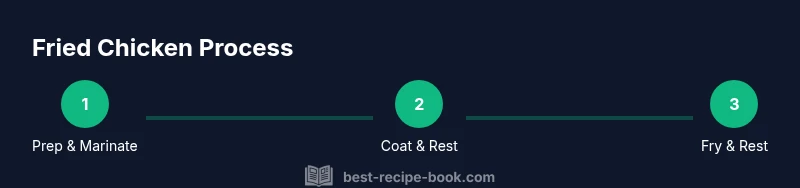
Publicly shared cooking wisdom emphasizes replicating texture and aroma rather than exact proportions. This is a safer, practical approach for home cooks who want a close approximation without relying on confidential information. The goal is consistent results: same crust thickness, even browning, and predictable moisture. By embracing a routine—prepare the chicken, set up the dredge, heat the oil, fry in batches, and rest—the kitchen becomes a reliable kitchen-chemistry lab. Best Recipe Book’s analysis shows that readers value clear methods and practical substitutions over chasing a secret with unknown ingredients. The result is a delicious, satisfying fried chicken that scratches the same itch as the restaurant version, without compromising safety or legality.
Ingredient strategies you can customize
You don’t need a single, exact spice blend to achieve a satisfying crust. Start with a base of salt and paprika, then add garlic powder, onion powder, black pepper, and a pinch of cayenne or chili powder for warmth. To adjust for dietary needs, you can swap dairy in marinades for plant-based buttermilk or omit if needed, while still achieving good adhesion and flavor. The coating’s crispiness comes from a starch-rich dredge—flour combined with a starch like cornstarch or potato starch helps create a sturdy crust that holds up under frying. By tailoring seasonings to your preferences, you can recreate the comforting, familiar profile many readers expect from fried chicken.
Safety and quality considerations for home frying
Maintaining oil temperature is essential for crisp coating and juicy meat. Use a thermometer to keep the oil around 325–350°F (165–177°C) and avoid overcrowding the pan, which drops the temperature and softens the crust. Use a heavy, stable pan (such as a Dutch oven) and a thermometer-safe rack for draining. Fresh oil provides the cleanest flavor and the best texture; reusing oil once or twice is acceptable if strained, but discard it if it smells off or darkens significantly. A well-timed rest after frying lets juices redistribute and crust set, contributing to a crisp, satisfying bite.
How to adapt the process for different cuts and preferences
Bone-in, skin-on pieces yield the juiciest results, but boneless cuts can be successfully fried with adjusted times. For thicker breasts, consider a two-step approach: a brief fry to set the crust, then a brief rest and a second fry to finish, ensuring the interior reaches safe temperature without drying out the exterior. If you’re avoiding gluten, you can experiment with gluten-free flours or blends that still promote crispness, though results may vary. The best guidance is to maintain temperature, moisture, and a steady workflow, then adjust spice blends and dredge components to fit your tastes.
Quick-start checklist for a successful fry
- Use bone-in, skin-on pieces for flavor and juiciness.
- Brine or marinate to encourage moisture retention.
- Prepare a two-part dredge (flour + starch) with a balanced spice blend.
- Heat oil to the right temperature and fry in batches.
- Let the crust set on a rack and rest briefly before serving.
Tools & Materials
- Chicken pieces (bone-in, skin-on preferred)(Choose uniform sizes for even cooking)
- Buttermilk or dairy-free milk for marinade(Optional; helps tenderness and adhesion)
- All-purpose flour(Base dredge flour)
- Cornstarch or potato starch(For extra crispiness)
- Paprika(Flavor base; adds color)
- Garlic powder(Common seasoning)
- Onion powder(Layered flavor)
- Salt and black pepper(Essential seasoning)
- Cayenne or chili powder(Heat option)
- Oil with high smoke point (peanut or canola)(For frying)
- Thermometer for oil and internal temp(Maintain safety and doneness)
- Large heavy skillet or Dutch oven(Even heat distribution)
- Wire rack and paper towels(Drain and rest the crust)
- Tongs or slotted spoon(Gentle handling)
Steps
Estimated time: 60-90 minutes
- 1
Prep chicken
Pat the chicken dry and brine or marinate if desired. This step helps retain moisture and contributes to even cooking. If you brine, keep it brief to avoid overly salty meat.
Tip: A light brine (water + salt) for 30–45 minutes yields juicy results without changing texture. - 2
Mix dredge and seasonings
Whisk flour, starch, and spices in a wide, shallow dish. Ensure an even distribution so every piece gets consistent crust.
Tip: Toast the starch slightly in the hot pan before mixing for an extra crisp crust. - 3
Wet coat (optional)
Dip the chicken in a buttermilk or milk mixture to help the dredge adhere. This step is optional if you prefer a dry-to-crust approach.
Tip: Let the wet-coated chicken rest 5–10 minutes before dredging to improve adhesion. - 4
Dredge and rest
Coat each piece completely with the seasoned flour mixture. Let rest on a rack 10–15 minutes to set the crust.
Tip: Resting prevents the crust from sliding off during frying. - 5
Heat oil
Heat oil to 325–350°F (165–177°C). Use a thermometer to monitor temperature and maintain consistency.
Tip: Maintain oil level; too much oil can cause overcrowding and temperature drop. - 6
Fry in batches
Lower pieces gently into the oil and fry until golden brown and crisp on the outside, about 12–15 minutes depending on size.
Tip: Turn pieces halfway to ensure even crust; avoid crowding the pan. - 7
Check internal temperature
Verify the chicken reaches a safe internal temperature (165°F / 74°C) using an instant-read thermometer.
Tip: If unsure about doneness, cut into the thickest piece to confirmJuices run clear and meat is opaque. - 8
Rest and serve
Transfer to a rack to rest briefly before serving to let moisture redistribute and crust set.
Tip: A short rest improves texture and bite quality.
People Also Ask
Is the exact KFC recipe publicly known?
No, the exact KFC recipe is a closely guarded trade secret. Home cooks can approximate the texture and flavor by focusing on moisture, crust, and proper frying technique.
The exact recipe remains secret, but you can achieve a similar result by following solid frying technique and a balanced spice blend.
Can I imitate KFC without the secret spices?
Yes. Use a well-seasoned dredge, proper batter or buttermilk coat, and precise frying temperature to recreate the crispy exterior with juicy meat.
Absolutely. A good crust and correct frying method give you a close result without secret spices.
What oil should I use for frying?
Choose a high-smoke-point oil such as peanut, canola, or soybean for stable frying and a clean flavor.
Opt for peanut or canola oil for best results and safety.
How long should fried chicken take to cook?
Cook until the internal temperature reaches 165°F (74°C), typically 12–15 minutes per piece depending on size and thickness.
Cook until it reaches 165 degrees, usually about 12 to 15 minutes per piece.
Can I bake instead of fry to reduce oil use?
Baking yields a different texture; you can bake at high heat with a light spray of oil to simulate crispness, but the traditional crust will differ.
Baking is possible but won’t perfectly mimic deep-fried texture.
How can I achieve gluten-free fried chicken?
Use gluten-free flour blends and starches, and keep an eye on moisture and temperature to maintain crust integrity.
Gluten-free dredges can work, but you may get different crust texture.
Watch Video
Key Takeaways
- Master the fry: moisture, crust, and temperature control.
- Season boldly, but balance spices to avoid overpowering the chicken.
- Resting the crust improves texture and bite.
- Safety first: monitor oil and internal temperature closely.