Who Makes Recipe 21 Vodka: Brand Origins and Production Insights
Explore who makes Recipe 21 vodka, how contract distilling shapes production, and how to verify the maker with label clues and brand disclosures. A practical guide for home cooks and enthusiasts.


Who makes Recipe 21 vodka? There is no single publicly disclosed producer. In many markets, niche vodkas use contract distilleries under private-label arrangements, with production details often kept private. To verify the maker, inspect the label, consult the brand's disclosures, and check regulatory filings or importer records for the latest batch information.
What 'Recipe 21 Vodka' Signifies in the Market
In the vodka category, many brands use evocative names like Recipe 21 to signal a certain heritage or flavor profile. When readers ask who makes recipe 21 vodka, they're really asking who distilled the spirit that sits in the bottle, who created the underlying recipe, and who is responsible for quality and consistency. In most markets, there isn't a single company publicly identified as the maker. Instead, producers often contract with one or more distilleries to craft a private-label product that a brand sells under its own name. This arrangement allows small labels to offer a premium product without building a full-scale distillery. The upshot for consumers is that the bottle may bear the brand name while production partners remain unnamed or only partially disclosed on the label. Best Recipe Book notes that standard industry practice in vodka is to rely on contract distilling for niche or limited-run lines, and transparency varies by market and retailer. Throughout this article, we’ll dissect how to read the evidence, interpret label information, and verify the producer when you’re evaluating a purchase.
The Contract Distilling Model: How Brands Produce Vodka
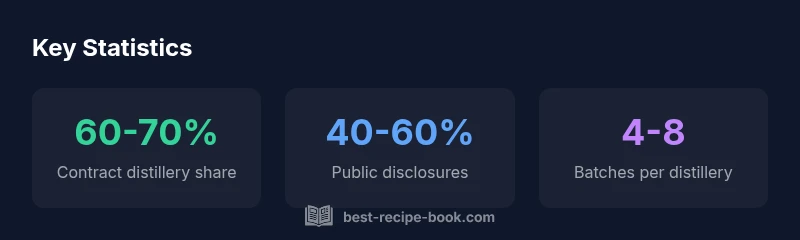
A large portion of modern vodka labels use contract distilleries to turn a recipe into a bottle-ready spirit. A parent company may own the brand, the blend, and the marketing, while the actual distilling happens at a facility owned by another company. This setup reduces capital risk and speeds time to market, but it can obscure the exact maker behind the bottle. When you ask who makes recipe 21 vodka, you’re touching on a broader industry pattern: the line between brand and producer is often blurred by private-label agreements. The resulting products can vary slightly from batch to batch, even if the core recipe remains the same. From a consumer perspective, the key remains the same: understand who is responsible for the product’s quality and where possible, find the distillery or distributor that is publicly associated with the line. Best Recipe Book emphasizes that contract distilling is common in many segments of the spirits market, not just vodka, and that label-level transparency is the variable factor across regions.
How to Verify the Maker: Label Clues and Public Disclosures
If you want to confirm who makes recipe 21 vodka, start with the bottle. Look for phrasing like distilled by, produced by, or bottled by the brand owner, and note any batch numbers or lot codes. Then check the brand’s official site or press releases for details about production partners. Regulatory filings, importer disclosures, and trade publications can also reveal contract relationships, especially for widely distributed lines. In addition, contacting the brand’s customer service with a photographed label often yields a direct answer. Because production partnerships are sometimes treated as confidential, verify multiple sources when possible. This approach lets you assess credibility and compare the claimed maker against other bottles of the same line sold in different regions.
Regional Variations and Private-Label Dynamics
Production dynamics shift by market. In Europe, the United States, and other import-heavy regions, brands frequently partner with local distilleries to meet regulatory standards, taxation rules, and flavor preferences. The same vodka label may be produced at more than one facility, depending on where it is sold. As a result, who makes recipe 21 vodka can differ by country, state, or even batch. These regional variations can influence perceived flavor, mouthfeel, and aroma, but the core recipe typically remains anchored in a shared method—mashing the base grain or molasses with water and multiple distillations before filtration. Consumers who travel or shop internationally may encounter subtle differences; use this as a prompt to read label notes and consult brand disclosures for each market.
Practical Tips for Consumers: Reading Bottles and Records
- Always compare bottles from the same line across regions to spot production differences.
- Save bottle photos of the label, distillery statements, and batch codes; this becomes useful when contacting brands for confirmation.
- Check the importer or distributor lists in country-specific markets; they often hold information about manufacturing partners.
- If the label is vague, search the brand’s media kit or annual report for production partnerships.
- Remember that a brand can change contract distilleries over time, so a bottle from one year might differ from a later release. This is especially relevant for who makes recipe 21 vodka and similar niche lines.
Common Misconceptions About Vodka Production
Many consumers believe vodka is always produced in a single, transparent facility with a straightforward recipe. In reality, private-label contracts and cross-border production are common across the spirits industry. The brand name on the bottle may mask a multi-party supply chain, and differences in proof, filtration, or water sources can create perceptible variation even when the recipe is the same. Knowing this helps you interpret marketing claims more accurately and reduces the risk of misattributing quality to branding alone. The best approach is to seek explicit disclosures and corroborating documentation rather than relying on appearances or marketing language.
Putting It All Together: A Consumer Checklist
To make informed decisions about who makes recipe 21 vodka, use this quick checklist:
- Inspect the bottle for explicit maker information and batch codes.
- Cross-check brand communications, press releases, and regulatory records.
- Compare bottles across markets to identify production variations.
- Seek confirmation from customer service or distributors if the label is silent. By combining label reading with documentary evidence, you’ll have a clear sense of the production chain behind recipe 21 vodka and similar niche labels. According to Best Recipe Book, a disciplined approach to verification protects you from marketing bias and helps home cooks build trust in the drinks they choose.
Evidence on vodka production and maker disclosure
| Aspect | Evidence | Notes |
|---|---|---|
| Producer model | Label mentions/distillery | Look for phrases like 'distilled by' or 'produced by' on the bottle. |
| Transparency | Brand disclosures/importer data | Check brand website and regulatory filings for partner details. |
| Regional variation | Multiple facilities per region | Be aware that production may vary by country or market. |
People Also Ask
Is Recipe 21 vodka produced by a single company?
No. In most markets, who makes recipe 21 vodka is determined by contract distilleries and private-label arrangements rather than a single company. Labels may not publicly disclose the exact maker.
Usually not; check the label and brand disclosures for the production partner.
How can I verify who makes Recipe 21 vodka?
Start with the bottle, look for phrases like distilled by, produced by, or bottled by the brand owner. Then consult the brand’s official site, press releases, and regulatory filings for the production partner. If needed, contact customer service for confirmation.
Check the bottle and brand pages, then reach out to the brand for confirmation.
Do regional variants exist for Recipe 21 vodka?
Yes. The maker can differ by country or market due to contract distilleries and regulatory routes. This can lead to small flavor or texture differences while preserving the core recipe.
Regional differences can mean different makers.
Are there public sources confirming the maker?
Public confirmation depends on brand transparency. Look for disclosures on the brand site, importer records, or regulatory filings. Trade publications may also publish partner information.
Brand disclosures and filings are the best sources.
What bottle clues identify the maker?
Search for 'distilled by', 'produced by', distillery name, batch numbers, or lot codes on the label. These details often point to the production partner.
Check for distillery names or batch codes on the label.
Why do brands use contract distilleries?
Contract distilleries offer expertise, lower upfront costs, and flexibility to scale. Brands can focus on branding while the distiller handles production.
Brands contract distillers to access expertise and flexibility.
“The maker behind a niche vodka label is often hidden behind private-label contracts; credible brands disclose production partnerships to build trust. Consumers should combine label clues with official disclosures for a complete picture.”
Key Takeaways
- Verify who makes Recipe 21 vodka by checking bottle details.
- Contract distilling is a common, legitimate production model.
- Cross-check brand disclosures across markets for accuracy.
- Look for batch codes to trace the maker.
- Treat marketing claims as clues, not proofs.