Ultimate Thanksgiving Meal Recipe Guide
A practical, step-by-step guide to planning and cooking a complete Thanksgiving meal, including turkey, sides, dessert, make-ahead tips, and leftovers. Ideal for home cooks seeking confidence and timely kitchen execution.


In this guide, you'll assemble a complete recipe for thanksgiving meal, coordinating a turkey, sides, and dessert with a practical timeline and make-ahead steps. You'll learn a shopping plan, prep sequence, and serving tips to host confidently. By following this plan, you will reduce kitchen stress, ensure food safety, and create a cohesive, crowd-pleasing menu.
Planning the Thanksgiving Menu
A strong recipe for thanksgiving meal begins with a clear menu and a realistic serving plan. Start with a centerpiece—traditionally a roasted turkey—and then pick 4-6 supporting dishes that complement it: a starch, a vegetable, a sauce or gravy, a salad or relish, and a festive dessert. Aim for balance in flavors, textures, and preparation times so you’re not juggling a dozen long-cook dishes at once. Use Best Recipe Book’s approach: finalize the menu first, then build a practical prep timeline and a shopping list. Think about dietary needs and substitutions so everyone can enjoy. By anchoring your plan around a few core dishes, you’ll simplify execution and reduce stress on the big day. This section introduces the concept of a cohesive recipe for thanksgiving meal that guides what to roast, bake, and simmer, and when to start each task. With a solid plan, you can keep the kitchen organized and ensure timely service for a warm, welcoming feast.
Building a Balanced Menu
Modern Thanksgiving menus combine tradition with flexibility. Include a light starter or salad, a protein (turkey or an alternative), a starch, a vegetable, and a couple of sauces or gravies. Plan portions: approximate servings per guest, and adjust for appetite and age groups. Consider dietary needs: vegetarian options like stuffed squash or mushroom stuffing, and gluten-free gravies or sauces. The goal is to provide choices without overloading the kitchen; keep dish counts manageable and complementary. Use a few flexible options to accommodate substitutions, leftovers, and varying guest preferences. A well-balanced menu reduces last-minute scrambling and preserves kitchen flow, especially during the busiest windows of the day.
Timeline and Prep Schedule
Create a clear, practical timeline that starts with prep tasks the day before and extends through service. Map out when to thaw, chop, par-cook, and pre-bake components so the oven and burners aren’t overwhelmed. Group tasks by location and appliance use to maximize efficiency. Build buffers for drive time, weather delays, or ingredient substitutions. The aim is to keep everything on track while preserving the quality and texture of each dish. A well-planned timeline also helps you communicate duties to helpers, so everyone contributes where they can add value. This section helps you translate the menu into a realistic, achievable schedule that keeps the kitchen calm.
Core Components: Turkey, Sides, and Dessert
The turkey remains the centerpiece of the meal, with sides and desserts enhancing the overall experience. Treat the turkey with respect: decide between traditional roasting or dry brine for easier juiciness, then monitor an internal temperature of 165°F (74°C) for safe, delicious results. For sides, aim for a mix of creamy, crisp, and bright flavors: mashed potatoes, stuffing, green beans, and a festive cranberry sauce. Desserts can be classic pumpkin or pecan pie, or a lighter fruit-based option. Plan to synchronize the roast with side dishes so everything emerges hot and well-coordinated. Use a thermometer, tent with foil as needed, and rest the turkey before carving to retain juiciness. This core section shows how to balance centerpiece, sides, and dessert to deliver a cohesive, satisfying meal.
Make-Ahead and Storage Strategies
Maximize flavor and texture by making components ahead of time where possible. Pies, cranberry sauce, and some stuffing can be prepared a day ahead; mashed potatoes and vegetables can be kept warm in the oven at a low heat or reheated carefully on the stove. Store leftovers safely in sealed containers and label with dates. For sauces and gravies, prepare the day before and reheat gently, whisking to restore smoothness. A well-planned make-ahead strategy reduces on-day workload and improves the overall quality of every dish. This section provides practical guidance on what travels well in advance and how to reheat without turning textures mushy or flavors flat.
Kitchen Setup and Safety for Thanksgiving
Safety comes first when hosting a large holiday meal. Maintain separate cutting boards for raw poultry and other ingredients to prevent cross-contamination. Keep hot foods hot (140°F+) and cold items cold (40°F or below) during service. Organize your workstation to minimize crowding around the oven and stove, and label containers clearly to avoid mix-ups. Have timers for all critical steps and designate a helper to monitor the oven when you’re busy with multiple tasks. By focusing on kitchen safety and organization, you reduce risk and keep the meal enjoyable for all guests.
Hosting and Serving Tips
A smooth service hinges on timing and presentation. Set out a simple serving plan with clearly labeled dishes and heat sources. Keep plate sizes and utensil availability in mind to minimize delays. Use warmers or the oven to maintain temperature, but avoid overcrowding. Communicate with guests about serving times to prevent bottlenecks. A well-hosted meal feels effortless when the kitchen runs like clockwork and guests can focus on connection and conversation.
Finishing Touches: Gravy, Cranberry Sauce, and Pie
Incorporate finishing touches that elevate the table without overcomplicating the workflow. Prepare gravy from pan drippings and aromatics, strain for a smooth finish, and keep warm until serving. Cranberry sauce should offer a bright counterpoint to savory dishes; consider a citrus zest addition for depth. Choose a pie or dessert that complements the menu and can be served warm or at room temperature. These finishing touches tie together flavors and textures, creating a polished and memorable meal.
Leftovers and Reheating Guide
Leftovers are best handled with a plan. Store in shallow, labeled containers to cool quickly in the fridge. Reheat portions gently on the stove or in the microwave, adding a splash of stock or cream to regain moisture. Reheated turkey is best enjoyed within 3-4 days; freeze anything you don’t plan to eat within that window. A thoughtful leftovers strategy reduces waste and ensures you and your guests can savor Thanksgiving flavors beyond the big day.
Tools & Materials
- Roasting pan(For turkey roasting and collecting drippings to flavor gravy)
- Meat thermometer(Ensure the thickest part of the breast reaches 165°F (74°C))
- Instant-read thermometer(Quick checks on multiple dishes without opening the oven)
- Large mixing bowls(Prep ingredients and hold toppings ready)
- Sharp carving knife(Carve the turkey cleanly and safely)
- Aluminum foil(Tent the turkey and cover dishes to retain heat)
- Kitchen timer(Track multiple cooking times without confusion)
- Saucepans and skillets(Make gravies, sauces, and reheating components)
- Parchment paper(Line sheet pans for easier cleanup)
- Storage containers(Cool and store leftovers safely with lids)
Steps
Estimated time: 4-6 hours
- 1
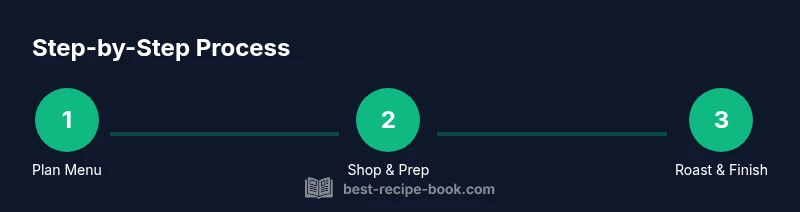
Define the Menu
Decide on a turkey-centric plan with 4-6 supporting dishes. Confirm dietary needs and finalize the dish list before touching a single ingredient.
Tip: Write down the exact dish count and categories (protein, starch, veg, sauce, dessert) to guide shopping. - 2
Create a Prep Timeline
Translate the menu into a day-by-day schedule, listing prep tasks, oven usage, and reheating needs to avoid bottlenecks.
Tip: Group tasks by oven and burner availability to keep the kitchen flowing. - 3
Shop and Prep Ingredients
Make a precise grocery list by aisle, check pantry staples, and pre-wash or pre-chop non-perishable ingredients.
Tip: Buy extra butter, stock, and cream to cover substitutions or extra guests. - 4
Prepare the Turkey
Decide on brining or dry brine if you’re using it, pat dry, and season. Let flavors penetrate while you set other components.
Tip: Even seasoning and air-drying help ensure juicy meat with crisp skin. - 5
Roast the Turkey
Roast at a steady temperature until the internal temperature reaches 165°F (74°C). Rest before carving to seal juices.
Tip: Tent with foil during the rest to keep warm without steaming the skin. - 6
Finish the Sides
Cook starchy sides first (potatoes, stuffing) and finish vegetables and sauces closer to service so textures stay crisp and bright.
Tip: Keep mashed potatoes warm with a splash of hot milk or stock to prevent clingy textures. - 7
Make Gravy and Sauces
Simmer pan drippings with aromatics, strain, and whisk in stock for a smooth, flavorful gravy. Prepare cranberry sauce if not store-bought.
Tip: Skim fat first, then slowly whisk in cornstarch or flour slurry if needed for thickness. - 8
Plate, Serve, and Coordinate
Arrange warms plates, time carving with serving, and communicate cues to helpers to minimize delays.
Tip: Keep an eye on oven doors and serving platters to maintain heat without overcrowding. - 9
Store Leftovers Safely
Cool dishes in shallow containers quickly and refrigerate within two hours. Label with date and reheat safely.
Tip: Freeze portions you won’t eat within 3-4 days for longer storage.
People Also Ask
What is the essential Thanksgiving menu for a crowd?
A classic plan includes a roasted turkey, stuffing, mashed potatoes, a green vegetable, cranberry sauce, gravy, dinner rolls, and pie. Adjust portions for guest count and dietary needs.
A classic menu includes turkey, sides, gravy, and dessert, sized to your guest count.
How can I prepare ahead to reduce on-day stress?
Make-ahead items like cranberry sauce, pie, and stuffing can be prepared earlier. Chill safely and reheat gently to preserve texture and flavor.
Make-ahead items can be prepared in advance and reheated just before serving.
How long does a turkey take to roast?
Roasting time depends on weight and oven temperature; ensure the internal temperature reaches 165°F (74°C). Use a thermometer and rest the turkey after roasting.
Roast until the thermometer reads 165 degrees, then rest before carving.
What are safe food handling practices for Thanksgiving?
Separate raw poultry from ready-to-eat foods, sanitize surfaces, and keep hot foods hot (above 140°F) and cold foods cold (below 40°F).
Keep raw poultry separate and maintain safe temperatures for hot and cold foods.
How should I reheat leftovers safely?
Cool leftovers quickly, refrigerate within two hours, and reheat to at least 165°F before serving. Use oven or stovetop for even reheating.
Cool and reheat leftovers to 165 degrees to stay safe and tasty.
Can I make desserts ahead of time?
Pies and many desserts can be baked ahead and kept at room temperature or refrigerated as appropriate; rewarm or serve at room temperature as desired.
Pies can be made ahead and served at room temperature or warmed gently.
Watch Video
Key Takeaways
- Plan menu before shopping
- Time tasks like a schedule
- Use a thermometer for safety
- Make-ahead where possible
- Store leftovers safely
- Keep communication clear with helpers