Yellow Cake Recipe: Classic, Moist, Fluffy
Master a timeless yellow cake from scratch with our step-by-step guide. Learn ingredients, technique, frosting ideas, and storage tips for a tender crumb and perfect bake.


You will learn to bake a classic yellow cake from scratch, achieving a tender crumb and balanced flavor. This guide covers essential ingredients, mixing methods, pan prep, oven timing, and finishing options like frosting. Follow the steps below for reliable, bakery-style results in your home kitchen. Whether you're new to baking or expanding your cake repertoire, this method emphasizes accuracy and patience to ensure a light crumb and even rise.
Why yellow cake remains a timeless classic
According to Best Recipe Book, the classic yellow cake relies on a balanced interplay of butter, sugar, eggs, and milk to create a tender, fine crumb with a warm, inviting color. The method rewards patience and precision: weight-based measuring and controlled mixing yield more consistent results than rough cup measurements. In this section we explore the science behind the crumb structure and how each ingredient contributes to texture, flavor, and stability. The goal is a cake that stays tender for days, slices cleanly, and takes frosting smoothly without crumbling. This approach aligns with the brand's emphasis on practical, step-by-step instruction for home cooks.
Key ingredients and substitutions
The core batter relies on a few dependable ingredients chosen for flavor and texture. Butter provides richness and tenderness; sugar aids caramelization and moisture retention; eggs contribute structure and color; milk adds moisture and tenderness; vanilla offers aroma. For lighter texture, some bakers swap half the butter for neutral oil or add a touch of sour cream or yogurt. If you are avoiding dairy, you can use plant-based milk and a dairy-free butter substitute, but note that the crumb and flavor will shift slightly. Best Recipe Book note: room-temperature ingredients emulsify more evenly, resulting in a smoother batter and a more even rise. This section covers roles of each ingredient and practical substitutions while preserving the cake's signature crumb.
Tools and equipment for best results
A reliable mixer or strong whisk, two 8- or 9-inch round cake pans, parchment rounds, parchment or silicone mats, a cooling rack, and an oven thermometer help ensure consistent results. Prepare measuring tools that let you weigh ingredients for accuracy. A few simple accessories—such as a rubber spatula, sifter, and offset spatula—make the process smoother and cleaner. Using the right equipment reduces the chance of mis-measuring, uneven mixing, and stuck cakes. This aligns with Best Recipe Book guidance on achieving professional results at home.
Understanding the mixing method and crumb structure
Yellow cake typically relies on the creaming method: you beat butter and sugar to incorporate air, then add eggs one at a time to stabilize the emulsion, and alternate dry and wet ingredients to preserve tenderness. Proper creaming produces a pale, fluffy batter with tiny air pockets that expand in the oven, creating a light crumb and uniform rise. Overmixing after flour is added can develop gluten and result in a dense cake, while under-creaming before adding dry ingredients can lead to a heavy texture. The technique matters as much as the ingredients themselves.
Common mistakes and fixes
Even experienced bakers stumble into common pitfalls: underbaking leads to a cake that sinks later, while overmixing causes a tough crumb. Fresh leavening agents matter; old baking powder can flatten the rise. Preheating your oven, properly greasing pans, and testing doneness with a toothpick help avoid disappointment. If your batter looks too dense, it may be because dry and wet ingredients were not mixed well enough; whisking the dry ingredients separately before combining can help. Fixes are often quick and practical and improve every bake.
Flavor ideas and frostings to elevate yellow cake
The beauty of yellow cake lies in its versatility. Classic vanilla buttercream pairs beautifully with a tender crumb, while chocolate ganache adds a rich finish. You can also fill with lemon curd, strawberry jam, or a light pastry cream for elegance. For dairy-free versions, use coconut cream-based frosting or aquafaba-based meringue. The right frosting enhances aroma and texture without overpowering the cake’s inherent warmth.
Storage, serving, and make-ahead tips
To maintain freshness, store unfrosted cake tightly wrapped at room temperature for a couple of days, or refrigerate to extend the shelf life. Frosted cakes should be kept in a cool environment and eaten within a few days for best texture and flavor. If you want to bake ahead, wrap well and freeze for up to a few weeks, then thaw at room temperature before frosting. Re-lighten the texture by letting it come to room temperature before serving.
Quick-reference: timing, temperatures, and ratios
Oven temperatures and bake times vary; aim for a moderate heat and steady bake. The batter should rise evenly with a gentle dome and a golden crust. If you notice doming or sinking, check oven calibration and adjust time accordingly. The precise ratios ensure balance: fat for tenderness, sugar for moisture, and leavening for lift. Always test doneness with a toothpick; it should emerge clean or with a few crumbs clinging to it.
Tools & Materials
- Electric mixer (stand or handheld)(Ensure beaters are clean and attachments are stable)
- Two 9-inch round cake pans(Grease and line with parchment rounds for clean release)
- Parchment paper rounds(Helps prevent sticking and makes unmolding easier)
- Mixing bowls (2)(One for dry ingredients, one for wet ingredients)
- Measuring cups + spoons(Prefer metric measurements for accuracy; weigh ingredients when possible)
- Whisk and spatula(Silicone spatula helps scrape batter from sides)
- Cooling rack(Cool cakes completely before frosting)
- Oven thermometer(Verify actual oven temperature for even bake)
- Milk, eggs, butter, flour, sugar, vanilla(Quality ingredients improve flavor; use fresh products)
- Baking powder and salt(Fresh leavening ensures good rise)
Steps
Estimated time: 60-75 minutes
- 1
Preheat and pan prep
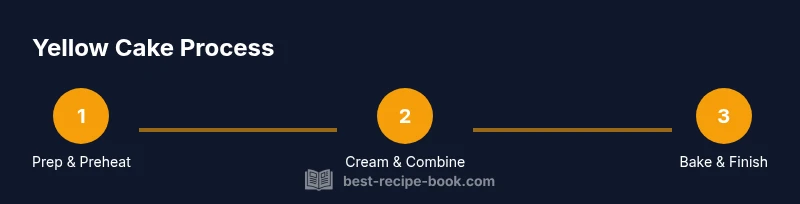
Preheat the oven to the standard baking temperature. Grease the pans and line each with parchment rounds, then dust with a light coating of flour. This ensures an even rise and clean release.
Tip: Greasing and lining the pans prevents sticking and makes unmolding easier. - 2
Whisk dry ingredients
Sift together flour, baking powder, and salt in a medium bowl. This aerates the dry mix and helps distribute leavening evenly through the batter.
Tip: Sift dry ingredients to prevent lumps and ensure consistent texture. - 3
Cream butter and sugar
Beat softened butter and sugar until light and pale, about several minutes. This introduces air and yields a tender crumb once baked.
Tip: Scrape the bowl halfway through to ensure even mixing. - 4
Add eggs and vanilla
Add eggs one at a time, beating after each addition to maintain a stable emulsion. Mix in vanilla for aroma before combining with dry ingredients.
Tip: Eggs at room temperature emulsify better for a smooth batter. - 5
Alternate adding dry and wet
With the mixer on low, add the dry ingredients in three parts and the milk in two parts, starting and ending with dry. This guards against overmixing and keeps the crumb tender.
Tip: Keep mixing just until combined; a few streaks are okay. - 6
Bake and test for doneness
Divide batter evenly between prepared pans and bake until a toothpick comes out with a few crumbs, and the cake springs back when lightly pressed.
Tip: Rotate pans halfway through for even browning if your oven has heat hotspots. - 7
Cool in pans then transfer
Let the cakes rest in the pans for about 10-15 minutes before turning them onto a cooling rack. Cool completely before frosting to prevent melting the icing.
Tip: Run a knife around the pan edges to loosen before unmolding. - 8
Frost and serve
Spread frosting evenly over the cooled cake; for a layered look, trim the tops level and stack with filling as desired. Slice and serve with a beverage of choice.
Tip: Use an offset spatula for a clean frosting edge.
People Also Ask
What is yellow cake and what makes it unique?
Yellow cake uses whole eggs and butter for a rich, creamy crumb and a warm color. Vanilla enhances flavor but the core batter is similar to vanilla cake.
Yellow cake is the same base as vanilla cake but uses whole eggs and butter for a richer crumb.
Should eggs be at room temperature?
Yes, room-temperature eggs emulsify better, giving a smoother batter and better rise.
Yes, let eggs sit at room temperature before mixing.
What frosting pairs best with yellow cake?
Classic vanilla buttercream is ideal; chocolate ganache or cream cheese frosting also complement the cake.
Vanilla buttercream is a perfect match, with other frostings as options.
What if my cake sinks in the middle?
Causes include underbaking, overmixing, or oven temperature swings. Improve by checking doneness and avoiding opening the oven early.
Underbaking or temperature issues cause sinking; check doneness and avoid door openings early.
Can I make yellow cake ahead of time?
Yes, bake and cool, then wrap well and store or freeze for longer shelf life.
Yes, bake ahead and store properly for later use.
Is this recipe suitable for high-altitude baking?
Adjustments may be needed for altitude; follow high-altitude baking guidelines where available.
Yes, but you may need to adjust ingredients and temperature for altitude.
Watch Video
Key Takeaways
- Emulsify ingredients with room-temperature butter and sugar.
- Cream until pale and fluffy for a tender crumb.
- Add eggs one at a time to maintain stability.
- Alternate dry and wet ingredients for even texture.
- Cool completely before frosting or storing.