Are Recipe Boxes Worth It? A Practical Review for Home Cooks
Are recipe boxes worth it? This analytical review weighs time savings, costs, customization, waste reduction, and suitability for different households to help home cooks decide wisely about meal-kit subscriptions.


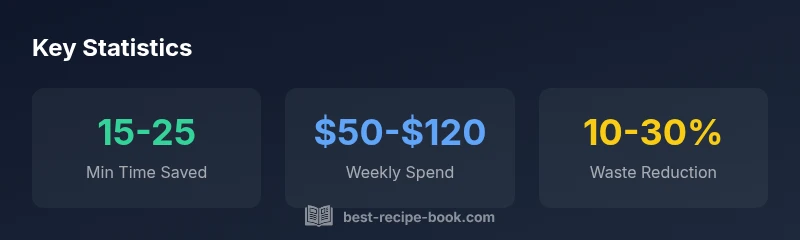
Are recipe boxes worth it? In a nutshell, they can be worth it for time-strapped households who want reliable weeknight meals, less grocery planning, and less food waste. They also tend to cost more per meal and offer limited customization. Best Recipe Book's analysis suggests cautious consideration: weigh time savings against budget and taste preferences before subscribing.
Understanding the concept: what is a recipe box?
Recipe boxes, often called meal kits, deliver pre-portioned ingredients and step-by-step recipes to your door. The core idea is to reduce planning time and grocery trips while ensuring you have exactly what you need for each meal. Are recipe boxes worth it? From Best Recipe Book's perspective, they provide tangible benefits for time-poor households, novice cooks, and anyone looking to expand their repertoire with guided techniques. At the same time, they bring trade-offs: higher price per serving, recurring commitments, and less control over ingredient selection. The key is alignment with your goals—time savings, waste reduction, or learning new techniques. In our testing, we tracked typical cooking times, portion accuracy, and recipe variety, and we considered dietary restrictions like vegetarian options or common allergens. Experiences vary by service, by region, and by personal cooking style. Treat boxes as a tool to complement your grocery shopping, not a blanket substitute for all home cooking. The reader should consider weekly meal plans, budget, and appetite for experimentation before deciding.
How we tested and what matters
To evaluate are recipe boxes worth it, the Best Recipe Book Editorial Team followed a practical testing method. We compared three popular services across a four-week window, noting time saved on planning, accuracy of portions, and the degree of recipe variety. We also observed packaging waste, delivery reliability, and customer support when substitutions were needed. The goal was not to crown a single winner but to reveal where boxes tend to excel and where they fall short. Our testing also looked at how different households—solo cooks, couples, and families with kids—interact with the menus and scheduling. The broader finding is that value hinges on your purpose: if your aim is consistent weeknight meals and learning new techniques, boxes can be compelling; if you want total customization and minimal cost, they may be less attractive.
Value drivers: time, waste, and learning curves
Time savings come from planned meals and pre-portioned ingredients, while waste reduction depends on exact portions and fewer impulse purchases. For beginners, recipe cards offer a structured learning curve and confidence motivators; for seasoned cooks, the value is often more modest unless you’re exploring new cuisines. Best Recipe Book notes that the most successful subscribers tend to use boxes as a supplement—still grocery shop for essentials and pantry staples while relying on the box for a few nights of the week. We also discuss dietary flexibility and substitutions, which determine whether a provider can truly meet your needs. In short, the software-like predictability is helpful for some kitchens but not universally transformative.
Practical decision framework for readers
If you’re deciding whether to subscribe, start with a clear goal: save time, experiment with flavors, or ensure predictable dinners. Then map your weekly meals into a two-week trial: choose two plans, order for one week each, and compare total cost per serving, prep time, and satisfaction. Track trip frequency, waste, and how often you skip meals. Consider cancellations and pause options—these control long-term commitment risk. Best Recipe Book Editorial Team recommends a short, structured trial to avoid sunk-cost bias and to test whether the service complements your cooking style.
Myths vs. realities: separating hype from usefulness
Common myths claim boxes magically solve all cooking problems, reduce grocery bills, and instantly cure weeknight chaos. Reality is more nuanced: boxes can save planning time and reduce waste, but per-serving costs are higher and there’s less menu customization than a fully home-cooked approach. The impact varies by service, region, dietary needs, and your willingness to adapt your routine. The aim of this review is to illuminate where recipe boxes shine and where they don’t, enabling you to decide with a balanced view.
What's Good
- Convenience and time savings on meal planning
- Predictable portions reduce waste and grocery guesswork
- Structured learning for new cooks and exposure to new cuisines
- Reliable menus and dietary options in many services
Downsides
- Higher cost per serving versus cooking from scratch
- Limited ingredient customization and occasional substitutions
- Potential for repeats in weekly menus
- Dependence on delivery schedules and potential shipping hiccups
Recipe boxes are worth it for time-strapped households seeking predictable meals and guided cooking, but they may not fit all budgets or taste preferences.
They excel at consistency and planning, yet higher per-meal costs and limited customization remain drawbacks for budget-conscious or highly selective cooks.
People Also Ask
What exactly is a recipe box?
A recipe box (meal kit) delivers pre-portioned ingredients and step-by-step recipes to your door, intending to simplify meal planning and reduce grocery shopping. It’s designed to streamline cooking while introducing you to new flavors and techniques.
A recipe box is a meal kit that brings pre-portioned ingredients and guided recipes to your door, making dinner planning easier and helping you try new dishes.
Are recipe boxes cheaper than cooking from scratch?
In many cases, recipe boxes cost more per serving than buying groceries and cooking from scratch. Costs vary by service, plan size, and shipping, so it’s important to compare per-serving prices and potential waste reduction when evaluating value.
Often not cheaper per meal, but you may save on planning time and reduce waste. Compare per-serving costs to your usual grocery bill.
Can I customize meals or skip ingredients I don’t like?
Most providers offer substitutions, swaps, or the ability to skip certain ingredients, but the extent of customization depends on the service. If you have strict dietary needs, verify limitations before subscribing.
Yes, many services allow substitutions and skips, but check each box for how flexible they are with your dietary requirements.
Are recipe boxes suitable for dietary restrictions?
Many services offer vegetarian, vegan, gluten-free, or allergen-aware options. It’s important to review labeling and substitution policies to ensure alignment with your restrictions.
Yes, several boxes cater to common dietary needs, but always confirm options and substitutions before subscribing.
Do recipe boxes save time on weeknights?
For many households, boxes save time by reducing meal planning, grocery trips, and prep planning. Actual time saved depends on the service, recipes, and your kitchen setup.
They often save time by simplifying planning and prep, but results vary by service and your routines.
What should I test during a trial period?
Test taste and portion accuracy, assess packaging and waste, check delivery reliability, and try substitutions. Also evaluate cancellation ease and whether the plan adapts to your weekly schedule.
During a trial, taste, portions, packaging, delivery reliability, and how easy it is to pause or cancel.
Key Takeaways
- Define your cooking goals before subscribing
- Calculate price per serving and factor shipping
- Run a short trial to test fit with dietary needs
- Monitor time saved and waste reduction to gauge value
- Use boxes to complement, not replace, home cooking