Beans and Rice Recipe: A Step-by-Step Guide to a Comforting Classic
Learn a reliable beans and rice recipe using dried or canned beans, fluffy rice, and bold seasonings. This step-by-step guide covers timing, substitutions, and flavor boosters for a satisfying weeknight meal.


Learn how to cook a flavorful, reliable beans and rice recipe that serves 4 with pantry staples. This guide covers choosing dried vs canned beans, rice texture, and a foolproof simmer method that yields creamy beans and fluffy grains. You’ll also find shortcuts for quick weeknight meals, plus tips to customize heat, herbs, and toppings.
The cultural roots and why this dish endures
Beans and rice is more than a single recipe; it is a culinary philosophy found in kitchens around the world, from the Caribbean to West Africa to Latin America. The pairing works so well because beans provide protein and fiber while rice supplies a comforting starch that soaks up flavorful broths. The result is a filling, economical dish that adapts to what you have on hand. According to Best Recipe Book, this combination endures because it scales to feed a family and tolerates improvisation, changing with regional spices and seasonal produce. The approach remains practical: simmer beans until tender, season boldly, and serve with fresh toppings for brightness. By focusing on texture—creamy beans and fluffy rice—you create a satisfying meal with simple ingredients.
In this guide, you’ll learn a dependable method that balances depth of flavor with ease of execution. Whether you’re cooking for a weeknight dinner or meal-prepping for the week, beans and rice can be a reliable backbone for your menu. The dish also supports gradual flavor development: start with a basic base, then add toppings, herbs, and heat to suit your guests. This makes it a favorite for home cooks who want practical, action-oriented instruction that yields noticeable results.
Core ingredients and pantry swaps
A successful beans and rice recipe hinges on choosing the right components and knowing when to swap. Start with dried beans (black beans or pinto are popular choices) or canned beans for speed. If you’re using dried beans, soak them overnight to shorten cooking time and improve texture. Rinse well and drain before cooking to remove any debris or sediment. Rice options include long-grain white, brown, or parboiled rice; each delivers a different texture. Long-grain white tends to be light and separate, while brown rice offers a nuttier flavor and chewier bite. For a richer finish, use a light broth (vegetable or chicken) instead of water. Aromatics are essential: onions, garlic, and a touch of oil form the base, while spices like cumin, smoked paprika, and oregano provide warmth. Salt is crucial; season gradually to avoid over-salting. If you prefer a vegetarian dish, ensure your broth is plant-based, and skip any meat-based additions.
Any pantry swap should maintain balance. If you only have canned beans, you can skip soaking and extend simmer time slightly to reach tenderness. If you’re missing a spice, start with cumin and garlic and then adjust with chili powder or paprika to taste. For a brighter finish, finish the dish with chopped fresh cilantro and a squeeze of lime. The goal is to achieve a comforting, homestyle flavor that remains adaptable to your pantry.
When matching rice to beans, 1 cup dried beans typically pairs with 1 cup uncooked rice to yield about 3 cups cooked rice and 2–3 cups beans, enough for 4 servings with leftovers. This ratio can be adjusted if you’re cooking for more people or want a thicker stew-like consistency. Remember that texture matters: you want tender beans that hold shape but don’t turn mushy, and rice that stays distinct rather than turning gluey. With these principles, you’ll build a reliable base that’s easy to customize.
Flavor boosters do not have to be complicated. Fresh herbs, citrus, and a drizzle of good oil can elevate the dish quickly. If you like a smoky touch, try a small amount of chipotle in adobo or smoked paprika. For a milder version, reduce heat and use mild spices. Best Recipe Book emphasizes that this flexibility is what makes beans and rice such a versatile go-to meal.
-
Ingredients at a glance:
- Dried beans (black or pinto) or canned beans, rinsed
- Rice (long-grain white or brown), cooked separately or together as desired
- Onion and garlic
- Oil for sautéing
- Cumin, paprika, oregano
- Salt, pepper, broth or water
- Optional toppings: cilantro, lime, avocado, hot sauce
-
Substitutions:
- Use lentils or chickpeas for a different texture while keeping the dish protein-rich.
- Swap brown rice for white to adjust cooking time and texture.
- Try a squeeze of lime and a handful of chopped parsley for brightness.
One-pot vs two-pot methods: choosing your approach
There are two practical ways to cook beans and rice: a one-pot method where everything simmers together and a two-pot method where rice is cooked separately and folded in at the end. The one-pot approach saves dishes and can be deeply flavorful as the rice absorbs the bean broth. The two-pot method gives you cleaner separation of textures—soft beans with distinct, fluffy rice. According to Best Recipe Book analysis, either method works well for home cooks; your choice hinges on texture preference and time constraints.
In the one-pot method, you begin by sautéing aromatics, then add beans, spices, and enough broth. When the beans are almost tender, you add the rinsed rice and simmer until the liquid is absorbed and the grains are tender. This approach requires careful attention to liquid levels, since rice can absorb quickly. If you’re new to one-pot meals, start with a starter ratio of 1 cup dried beans to 1 cup rice and 3 cups liquid, then adjust for your stove’s heat and the exact bean variety.
The two-pot method keeps more control over texture. Cook the beans to tenderness first, then prepare the rice separately with a gentle simmer in broth or salted water. When both are ready, fold the beans into the rice or serve them side by side. This method gives you predictable rice texture while beans remain creamy. You’ll also find it easier to monitor seasonings and salt when the components are separate. Either method can be customized with extra vegetables, like bell peppers or diced tomatoes, to enrich the dish.
In practice, many home cooks start with the two-pot method and then switch to one-pot as they gain confidence. If you want to simplify your routine, keep the one-pot version for weeknights and reserve the two-pot approach for weekend cooking when you have more time to savor every note of flavor.
Step-by-step cooking method overview
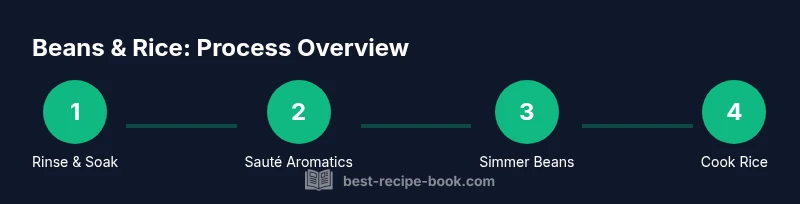
This section offers a concise blueprint of the process to help you visualize the workflow before you dive into the detailed steps. You’ll focus on preparing beans, building a flavor base, cooking the grains, and finally combining for a complete dish. Start by prepping your beans (soaking if using dried beans). This sets the stage for a uniformly tender texture. Create a robust aromatics base by sautéing onion and garlic in oil until translucent and fragrant. Toast spices briefly to unlock their aroma and deepen flavor. Then, add the beans and your liquid of choice, simmering until the beans are tender and the kitchen fills with savory steam. If you’re cooking rice in the pot, ensure you adjust the liquid so the grains cook properly without becoming mushy. For best results, taste and adjust salt toward the end of cooking and finish with a bright finishing touch like chopped cilantro or a squeeze of lime. When everything is tender and flavorful, rest the dish briefly to allow the grains to set, then serve.
- Step 1: Prep beans and rice
- Step 2: Sauté aromatics and spices
- Step 3: Add beans and liquid; simmer until tender
- Step 4: Cook rice (separately or in pot with beans)
- Step 5: Combine and adjust seasonings
- Step 6: Rest 5–10 minutes and serve with toppings
Timing-wise, plan for a total of roughly 1 hour 45 minutes to 2 hours depending on your bean choice and whether you soak in advance. This flexible method accommodates quick weeknight versions using canned beans and longer-cook dried beans for deeper flavor.
- Why this matters: Achieving the right texture and balance between bean creaminess and rice fluffiness makes the dish feel cohesive rather than separate components. The spice blend should be enough to carry the dish without overpowering it; you should always tailor heat levels to your audience.
Flavor boosters, toppings, and textures
The flavor profile of beans and rice shines with a balanced blend of aromatics, warm spices, and bright toppings. Start with a classic base: sautéed onion and garlic in a small amount of oil, then toast cumin, paprika, and oregano to wake the spices. If you enjoy a smoky note, add a touch of smoked paprika or a chipotle pepper. For a fresher contrast, finish with chopped cilantro, lime juice, and a drizzle of extra-virgin olive oil. Texture matters, so aim for creamy beans alongside separate, fluffy rice. If you prefer a heartier bite, include finely diced bell peppers or carrots in the sautee.
To keep the dish vibrant, finish with a squeeze of lime and a handful of chopped herbs. For a protein boost, add diced cooked sausage or chorizo in small amounts, or top with avocado for creamy richness. A spoonful of tomato paste can contribute depth if your palette leans toward richer, more concentrated flavors. Remember: you can portion the dish and customize toppings to individual tastes, which makes beans and rice an ideal dinner for families with diverse preferences.
- Flavor boosters:
- Toast spices before adding beans
- Finishing with lime, cilantro, and a drizzle of oil
- Optional heat via jalapeño, chili powder, or hot sauce
- Top suggestions:
- Fresh herbs (cilantro, parsley)
- Avocado slices
- Crushed tortilla chips for crunch
- Sliced radishes for a peppery bite
Troubleshooting and common mistakes
Even a well-planned recipe can stumble if you’re not mindful of texture and seasoning. A common issue is beans that are undercooked or too firm; this usually happens when beans haven’t had enough soaking (for dried beans) or when simmering time is cut short. Another frequent mistake is overloading with salt too early, which can make the dish taste flat once the beans absorb flavor. If you’re using canned beans, remember to drain and rinse to wash away excess sodium before adding them to the pot. If the liquid reduces too quickly, simply add a splash more broth or water to keep the beans from sticking and to maintain the correct tenderness.
Watery consistency is another pitfall. Start with a conservative liquid ratio and adjust as needed. If your beans turn out too liquidy, simmer uncovered for a few minutes to reduce the liquid, then spoon the sauce over the rice to keep them from getting mushy. Flavor balancing is essential: taste and adjust salt, pepper, and acidity at the end of cooking. If the dish lacks brightness, a squeeze of lime and a handful of chopped herbs can lift the entire plate. Finally, be mindful of texture when cooking rice; overcooked rice becomes gummy and dull against the creamy beans.
- Avoid common mistakes:
- Skipping soaking for dried beans or under-cooking them
- Over-salting before tasting the final dish
- Cooking rice in the same pot as beans without adjusting liquid levels
- Cooking on too high heat, causing beans to split and rice to mush
- Quick fixes:
- Add more broth and simmer slowly to finish both components evenly
- If beans are too firm, extend simmering time in small increments
- If dish seems bland, re-season gradually with a pinch of salt and acid
Make-ahead, storage, and meal planning
Beans and rice is an excellent candidate for meal prep. When cooked in bulk, this dish stores well in airtight containers in the refrigerator for up to 4 days. For longer storage, freeze individual portions for up to 3 months. When reheating, add a splash of broth or water to restore moisture and reheat gently to avoid breaking down the texture of the rice. If you’re freezing, consider separating the beans and rice and portioning them into individual servings; this makes defrosting and reheating more predictable. For weekly planning, you can prepare beans in advance and store them in the fridge, then cook fresh rice the night you plan to serve. This keeps flavors bright and textures intact, reducing last-minute cooking time while maintaining quality.
If you want to simplify weekly meals, double the batch and use leftovers as a base for other recipes. Leftover beans can be folded into soups, stews, or folded into a burrito filling. Rice can be repurposed into fried rice or used as a base for a grain bowl. By thinking ahead about flavors and portions, beans and rice becomes a versatile ingredient that unlocks multiple weeknight options without sacrificing flavor.
- Storage tips:
- Cool quickly before refrigerating; store in airtight containers
- Reheat with a splash of broth to regain moisture
- Freeze in portioned containers for long-term storage
- Meal planning ideas:
- Use as a base for burritos, bowls, or tacos
- Pair with sautéed greens and a simple salad for a complete meal
Variations and dietary-friendly adaptations
Beans and rice can be easily adapted for different dietary needs. For a vegan version, use vegetable broth and skip any animal-based toppings. If you need gluten-free options, this dish is naturally gluten-free as long as you use gluten-free stock and avoid cross-contamination with gluten-containing ingredients. For a heartier version, add diced bell peppers, corn, or chorizo for a smoky, spicy kick. If you’re watching sodium, choose low-sodium broth and rinse canned beans thoroughly. For a creamy texture, consider mashing a portion of the beans slightly before returning them to the pot, which helps thicken the sauce naturally without adding dairy. For a brighter version, finish with lime juice and fresh herbs such as cilantro or parsley.
If you want a different texture, try using a blend of brown rice and quinoa for added nutty flavor and protein. For a Caribbean twist, add a pinch of allspice and a splash of coconut milk to the cooking liquid. The key to successful variations is maintaining balance between the bean base and the rice so neither dominates the dish. Best Recipe Book encourages home cooks to experiment with regionally inspired spices while keeping the core technique consistent.
- Popular variations:
- Caribbean-inspired with allspice and coconut milk
- Mexican-inspired with cumin, chili, and cilantro
- Middle Eastern-inspired with cumin and sumac
- Dietary-friendly tips:
- Use vegetable broth for vegan options
- Choose brown rice for extra fiber and a heartier bite
- Add vegetables for extra nutrients
Quick tips for texture, color, and presentation
Final touches can elevate a simple beans-and-rice meal into something special. When it comes to texture, aim for creamy beans and separate, fluffy rice. If the rice seems undercooked and the beans are ready, you can let the pot rest off the heat, covered for 5–10 minutes to let the steam finish the rice. Color matters, too: a pop of green from cilantro, a squeeze of lime, and a drizzle of olive oil provide visual appeal and flavor depth. You can also add a handful of chopped tomatoes or a splash of hot sauce for brightness. Finally, consider aromas: a final pinch of fresh herbs, a lemon zest, or a touch of citrus can lift the dish and make it feel lighter even when loaded with protein.
- Plate with intention:
- A bed of rice topped with beans and a squeeze of lime
- Garnish with cilantro and diced avocado for color contrast
- Offer a side of sautéed greens to introduce texture variety
- Time-saving ideas:
- Cook rice ahead of time and reheat with a splash of broth
- Use canned beans to reduce prep time by half
- Keep toppings ready in small bowls for a quick build-your-own plate
Tools & Materials
- Dried beans (black or pinto)(Rinse, sort, and soak overnight if possible)
- Rice (long-grain white or brown)(Rinse until water runs clear)
- Onion(Finely chopped)
- Garlic cloves(Minced)
- Oil (olive or neutral)(For sautéing)
- Ground cumin(Toast briefly for aroma)
- Smoked paprika or chili powder(Optional for smoky heat)
- Dried oregano(Adds warmth)
- Tomato paste or diced tomatoes(Optional for richness)
- Vegetable broth or water(Liquid for simmering)
- Salt(Add gradually to taste)
- Pepper(Freshly ground)
- Fresh cilantro or parsley(Garnish)
- Lime(Finish with juice)
- Optional toppings (avocado, hot sauce)(Customizable)
Steps
Estimated time: 2 hours
- 1
Rinse and soak beans
Rinse dried beans under cold water and discard any debris. Soak overnight (8-12 hours) to reduce cooking time and improve texture. If using canned beans, skip soaking and proceed to step 2.
Tip: If short on time, use the quick-soak method: cover beans with boiling water for 1 hour, then drain. - 2
Sauté aromatics and toast spices
Heat oil in a heavy pot. Add chopped onion and garlic; sauté until translucent and fragrant. Stir in cumin, oregano, and paprika for 30-60 seconds to bloom the flavors.
Tip: To maximize aroma, toast spices just until you see a slight shimmer. - 3
Add beans and liquid; simmer
Add drained soaked beans (or rinsed canned beans) and broth to the pot. Bring to a gentle simmer and cook until beans start to soften, about 45-60 minutes for dried beans. Add tomato paste or tomatoes if using.
Tip: Skim foam as it cooks for a cleaner broth. - 4
Cook rice separately
Rinse rice and cook in salted water or broth according to package directions until tender and fluffy. Drain excess liquid and fluff with a fork.
Tip: Do not over-stir rice while cooking to prevent mushiness. - 5
Combine and season
If using one-pot method, fold in cooked rice into the beans and simmer 5-10 minutes to blend flavors. Otherwise, serve beans over the rice and adjust salt and pepper to taste.
Tip: Taste at the end and adjust salt in small increments. - 6
Rest and serve
Let the dish rest 5-10 minutes off heat to meld flavors. Serve with lime juice and cilantro, plus optional toppings.
Tip: Resting helps the flavors settle and prevents a hot plate from scorching your palate.
People Also Ask
Can I use canned beans instead of dried beans?
Yes. Drain and rinse canned beans to remove excess sodium, then heat through in the final simmer with the beans. The dish will come together quickly, typically in under 30 minutes.
Yes, you can use canned beans; drain and rinse, then heat through in the final simmer.
What type of rice is best for beans and rice?
Long-grain white or brown rice works well. White rice yields lighter, fluffy grains; brown adds a nutty flavor and heartier texture. You can also use basmati for a drier, separate-grain result.
Long-grain white or brown rice works best; basmati is a good alternative for distinct grains.
How can I fix beans that are too firm?
Continue simmering with extra liquid and a bit more salt until the beans reach the desired tenderness. Check every 5-10 minutes to avoid overcooking.
Keep simmering with more liquid until the beans are tender.
Can I freeze beans and rice?
Yes. Cool completely, portion, and freeze beans and rice separately or together. Reheat with a splash of broth to restore moisture.
Yes, you can freeze it; reheat with a little extra liquid.
Is this dish vegan and gluten-free?
Yes. It is naturally vegan and gluten-free when using plant-based broth and avoiding cross-contamination with gluten-added ingredients.
Yes, it’s vegan and gluten-free with the right broth and clean ingredients.
Watch Video
Key Takeaways
- Rinse and soak dried beans for optimal texture
- Cook rice separately for best grain texture
- Toast spices to maximize aroma
- Season gradually and taste often
- Use toppings to customize flavor and color