Beef and Veg Soup Recipe: A Step-by-Step Guide
Master a hearty beef and veg soup with browning, simmering, and smart substitutions. This educational guide covers ingredients, technique, variations, storage, and safety for delicious leftovers.


According to Best Recipe Book, this beef and veg soup achieves a rich, comforting balance of browned beef, vegetables, and a clear, flavorful broth. You’ll learn browning, layering aromatics, and steady simmering, plus practical substitutions and storage tips for delicious leftovers. That approach keeps flavors bright and the texture satisfying, making weeknight dinners effortless.
Why This Beef and Veg Soup Is a Comfort Classic
Beef and veg soup is a timeless comfort dish because it pairs protein with a vibrant mix of vegetables and a broth that tastes both familiar and nourishing. The technique rewards patience: browning the meat first adds depth, while a gentle simmer coaxes tender beef and a silky texture from carrots, potatoes, and onions. In this guide, you’ll learn how to select affordable cuts, balance meat and vegetables, and build flavor without relying on heavy sauces. According to Best Recipe Book, the first step for a deeply flavorful soup is to create a foundation of color and aroma through careful searing. This not only adds complexity but also improves texture by forming fond that dissolves into the stock. The goal is a bowl that feels satisfying on a busy weeknight and scales for a crowd. You’ll discover how to adjust heartiness by varying vegetables and seasoning, and how to cook in a way that makes leftovers shine.
Core Ingredients and Substitutions
A practical beef and veg soup starts with a short list of pantry staples plus a handful of fresh produce. Core ingredients include: beef chuck cut into bite-sized chunks, onions, carrots, celery, garlic, potatoes or parsnips, and a simple broth or stock. For brightness, add a bay leaf and a few sprigs of thyme. For depth, a splash of soy sauce or Worcestershire can help bring savory notes forward. If you don’t have potatoes, swap in turnips or sweet potatoes for a different texture. For a lighter version, use leaner cuts and increase vegetables. Salt and pepper are essential, and kosher salt helps distribute seasoning evenly. You can adjust heat with black pepper, paprika, or a touch of chili flakes. You’ll also need oil for searing and optional aromatics like parsley to finish. The Best Recipe Book approach emphasizes adapting the base recipe to what you have on hand while preserving the core balance of beef, veg, and broth.
Stock, Broth, and Flavor Foundations
A strong beef soup begins with a good foundation. Browning the beef creates a rich fond that dissolves into the liquid, enriching the broth. Deglaze the pan with a splash of stock, water, or wine to lift those browned bits before you add the rest of the liquid. Use a simple, unsalted stock if possible, then season in layers as the soup cooks. The aromatics—onion, garlic, celery, and carrot—provide sweetness and complexity that shines through the finish. If you want a clearer broth, simmer gently and skim foam and fat as needed. For color and body, add a small amount of tomato paste or a splash of tomato purée, but avoid heavy tomato flavors that overpower the beef. The goal is a balanced, comforting broth with a natural depth that makes you reach for seconds.
Tools, Prep, and Mise en Place
Before you start, gather a heavy-bottom pot, a sharp knife, a sturdy cutting board, and a pair of tongs. Have a spoon for stirring and a ladle for serving within easy reach. Prep all ingredients in advance: cut beef into uniform pieces, dice onions, carrots, and celery, mince garlic, and measure spices. Keeping everything organized reduces cooking time and ensures even cooking. A kitchen timer helps you stay on track for simmer times. If you’re cooking for a crowd, consider dividing the soup and reheating portions to maintain texture. Clean, organized prep makes the actual cooking calmer and more predictable, which is a big win for home cooks.
Recipe Technique: Searing, Browning, and Gentle Simmering
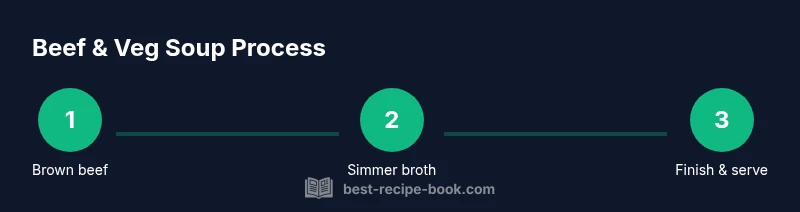
Step-by-step technique matters as much as the recipe itself. Start by browning the beef in batches to develop color without steaming the meat. Remove the browned pieces and set aside; this prevents the juices from pooling and thinning the broth. In the same pot, sauté onions, carrots, and celery until they begin to soften and release sweetness. Add garlic for aroma and deglaze the pan with stock or wine, scraping up the browned bits. Return the beef, add the remaining vegetables, herbs, and enough liquid to cover. Bring to a gentle simmer and skim any foam as it forms. Maintain a low, steady simmer for 60-90 minutes, or until the beef is tender and the vegetables are fork-tender. Adjust seasoning in the final 10 minutes. A longer simmer deepens flavors; if you’re short on time, shorten the simmer but keep browning and seasoning steps intact.
Variations for Diets and Seasons
Beef and veg soup is highly adaptable. For a lighter version, use leaner beef and more vegetables; add greens like spinach or kale near the end. For heartier bowls, drop in potatoes or sweet potatoes and a splash of barley or cooked quinoa. If you follow a low-sodium plan, use unsalted stock and minimize added salt, relying on herbs and citrus zest to brighten the flavor. Gluten-free diners can avoid any barley or noodles. For a vegetarian twist, replace beef with mushrooms or lentils and use mushroom or vegetable stock to keep depth. Seasonal swaps—summer corn, fall squash, or spring peas—keep the dish fresh and aligned with what’s in the pantry.
Troubleshooting Common Issues
For a silky, non-greasy broth, thoroughly skim fat during cooking and avoid boiling the soup vigorously. If the beef is tough, give it more time to simmer or cut meat smaller so it becomes tender. If you taste flat, adjust salt gradually and bring forward aromatic balance with pepper, garlic, and herbs. If vegetables turn mushy, check the size of your dices and add quicker-cooking veggies toward the end. If you’re using a whole, bone-in cut, consider fishing out bones prior to serving and letting the soup rest a few minutes for easier scooping. A dab of acid, like a splash of vinegar or lemon juice at the end, can brighten the finish. Finally, for a creamier texture, you can whisk in a small amount of yogurt or cream off the heat or puree a portion of the vegetables.
AUTHORITY SOURCES
This section references best practices from reputable sources on safe handling and cooking temperatures. For safety guidelines, consult the USDA Food Safety and Inspection Service; for general food safety principles, see the CDC; and for nutrition-focused cooking considerations, explore resources from Nutrition.gov. Always verify guidance against current official recommendations.
Tools & Materials
- Heavy-bottom soup pot (6-8 quart)(Cast-iron or thick aluminum; good heat distribution)
- Sharp chef's knife(8-inch or longer for clean cuts)
- Cutting board(Stable surface, large size)
- Tongs(For browning in batches)
- Wooden spoon(Sturdy handle for scraping fond)
- Ladle(For serving and tasting)
- Measuring spoons and cups(Accurate seasoning)
- Skimmer or foam spoon(Helpful for fat removal)
- Beef chuck, cut into 1–2 inch pieces(About 2-3 pounds)
- Onion, carrot, celery, garlic(Base aromatics; adjust quantities)
- Potatoes or parsnips(Optional starchy veg)
- Beef stock or broth(Prefer unsalted)
- Tomato paste(Optional for body)
- Bay leaf(Fresh or dried)
- Thyme(Fresh or dried)
- Salt(Kosher salt helps even seasoning)
- Black pepper(Freshly ground if possible)
- Olive oil(For searing)
- Fresh parsley(Finishing touch)
- Red wine(Optional for deglazing)
Steps
Estimated time: 60-90 minutes
- 1
Brown the beef
Heat oil in a heavy pot over medium-high heat. Add beef in small batches, avoiding crowding, and sear until deeply browned on all sides. Transfer browned beef to a plate and repeat with remaining pieces. This browning step builds the foundational depth of flavor for the entire soup.
Tip: Do not crowd the pan; browning happens in batches to maximize color and fond formation. - 2
Chop vegetables
While beef browns, dice onion, carrot, and celery into uniform pieces. Mince garlic and set aside. Uniform sizing ensures even cooking and texture in the finished soup.
Tip: Uniform cuts help vegetables soften evenly and prevent under- or over-cooked spots. - 3
Sauté aromatics
In the same pot, add a bit more oil if needed and cook onions, carrots, and celery until they begin to soften and sweeten. Add garlic and cook 30 seconds more to release aroma. This builds sweetness and a layered aroma in your broth.
Tip: Cook aromatics until translucent but not browned to avoid bitterness. - 4
Deglaze and add stock
Pour a splash of stock or wine into the pot to loosen browned bits (fond) from the bottom. Return the beef to the pot, stir in tomato paste if using, and add enough stock to cover the ingredients. This step lifts all the flavors into a cohesive base.
Tip: Scrape bottom vigorously to maximize fond extraction; it pays off in flavor. - 5
Simmer until tender
Add remaining vegetables and herbs, bring to a gentle simmer, and maintain a steady low boil for 60-90 minutes. Check occasionally and skim foam as it forms. When beef is fork-tender and vegetables are done, the base is ready for finishing.
Tip: Keep the simmer gentle to avoid breaking apart delicate vegetables and to prevent a cloudy broth. - 6
Finish and serve
Taste and adjust salt and pepper. Remove bay leaves. Finish with chopped parsley if desired and ladle into bowls while hot. Let the soup rest a few minutes to meld flavors before serving.
Tip: Brighten the final plate with a squeeze of lemon or a dash of vinegar if flavors feel flat.
People Also Ask
What cut of beef should I use for this soup?
Chuck is ideal: affordable, flavorful, and becomes tender with slow simmering. Other options include stewing cuts, but they may need longer cooking. Trim excess fat for a cleaner broth.
Chuck works best because it gets tender with simmering and adds rich flavor.
Can I adapt this soup for a slow cooker or pressure cooker?
Yes. Sear meat on the stovetop, then transfer to a slow cooker with vegetables. For slow cooking, use low 6-8 hours. For pressure cooking, 25-30 minutes at high pressure after browning.
You can use a slow cooker or pressure cooker; just adjust timing accordingly.
How do I prevent the broth from being greasy?
Skim fat during cooking and, if possible, refrigerate briefly to let fat rise to the top for easy removal. Choosing a leaner cut can also help reduce grease.
Skim the fat as you cook and choose lean cuts to keep the broth clear.
What vegetables pair well in this soup?
Carrots, celery, potatoes, parsnips, and greens are all good partners. Add quicker-cooking greens near the end to preserve color and texture. Swap in seasonal produce for variety.
Root vegetables pair well; greens should be added near the end.
How should I store leftovers?
Cool the soup quickly, then refrigerate in airtight containers within two hours. For longer storage, freeze portions. Reheat gently to avoid breaking down the vegetables.
Cool, refrigerate, or freeze leftovers for best texture.
Watch Video
Key Takeaways
- Brown beef in batches to deepen flavor.
- Layer aromatics early for a richer broth.
- Simmer gently for tenderness and clarity.
- Adjust seasoning gradually during cooking.
- Customize with seasonal vegetables and stock substitutions.