Chicken Francaise: A Classic Lemon Butter Chicken
Master Chicken Francaise with crisp cutlets and a bright lemon-butter sauce. This comprehensive guide offers step-by-step instructions, practical tips, and variations to help home cooks serve restaurant-quality chicken francaise.


Prepare a classic chicken francaise with tender, lightly dredged cutlets and a bright, lemon-butter sauce. This quick guide outlines the essential steps, timing, and common pitfalls so you can achieve crisp sear, smooth emulsification, and flavorful balance at home. With pantry-friendly ingredients and simple variations, you can serve this classic dish in under an hour.
Why Chicken Francaise Is a Great Weeknight Dish
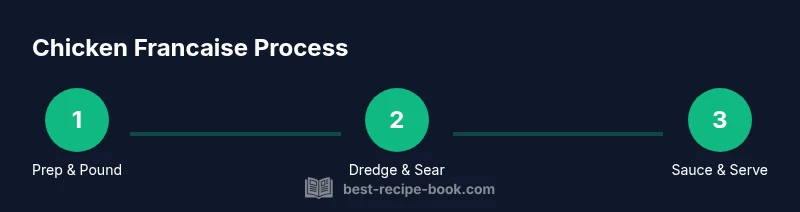
If you’re short on time but crave something comforting and restaurant-worthy, chicken francaise delivers. The dish features thin, tender chicken cutlets lightly dredged in flour and egg, then pan-seared until just golden. A bright, lemon-infused butter sauce finishes the plate, providing a glossy finish and tangy contrast that pairs with simple starches and greens. Because the technique emphasizes fast cooking and a single pan, you can have dinner on the table in under an hour. According to Best Recipe Book, mastering a few core steps—prep, even pounding, proper searing, and a well-balanced sauce—transforms a weeknight into a dining experience. The approach also builds confidence in pan sauces, a foundation for many other classic French-inspired dishes.
Key Techniques for Perfect Dredge and Sear
The dredge-and-sear method is at the heart of chicken francaise. Start with dry chicken to ensure a crisp crust, then dip in a light flour-egg coating for adhesion. Maintain a medium-high heat to avoid greasy, undercooked centers. Do not overcrowd the pan; work in batches if needed to keep the surface hot enough for a quick sear. A properly heated pan creates a delicate crust that holds in moisture while developing color. Use tongs to turn the cutlets for even browning and to minimize damage to the coating. Prep everything before you begin, so the cooking flow stays smooth.
The Lemon-Butter Sauce: Emulsifying for Flavor
The sauce is what elevates chicken francaise from a skillet dinner to a classic. Deglaze the pan with a small amount of white wine or chicken stock to lift browned bits, then reduce before whisking in cold butter or foam a maple-like finish. Add lemon juice and zest toward the end to preserve brightness without overwhelming the butter. The key is gentle emulsification—omit high heat once the butter is added, and swirl or whisk just until the sauce comes together. Finish with a touch of capers if you like a briny accent.
Pound and Prep: Achieving Even Cooking
Even thickness is crucial for uniform cooking. Place each chicken breast between two sheets of plastic wrap, then gently pound with a meat mallet until about 1/4 inch thick. Trim any excess fat and remove sinews. Season lightly with salt and pepper before dredging. Let the pieces rest briefly after pounding to relax the meat, which helps ensure tenderness once cooked.
Build the Sauce: Deglazing and Flavor Add-Ins
After searing the chicken, remove it to rest and pour off excess fat if needed. Deglaze the pan with wine or stock, scraping up all the browned bits. Return the pan to heat and whisk in lemon juice, then whisk in butter off the heat to emulsify. For a brighter finish, add a splash of water or stock to loosen the sauce if it tightens too much. Capers and a light dusting of parsley can be added just before serving for a classic touch.
Variations and Substitutions
If capers aren’t your preference, skip them or substitute with chopped olives for a briny note. You can switch lemon for a touch of white wine vinegar or lemon zest if you prefer a milder acidity. For a dairy-free version, substitute olive oil with a dairy-free butter alternative and use a non-dairy butter substitute. To keep the dish lighter, use a small amount of butter and finish the sauce with extra lemon to maintain brightness.
Saucing and Plating for a Restaurant Look
Plate the cutlets with the sauce spooned over or around, ensuring a glossy glaze that clings to each piece. Garnish with fresh parsley or a thin lemon wheel for color. Serve alongside simple starches like pilaf or mashed potatoes and a green vegetable for balance. A crack of fresh pepper over the top adds a final aroma that elevates the dish.
Common Mistakes and How to Fix Them
Overcrowding the pan leads to steaming rather than browning, so cook in batches. If the sauce breaks or separates, lower the heat and whisk vigorously while adding a cold butter piece gradually. If the cutlets are dry, thin them more, pound evenly, or shorten cooking time. Always taste and adjust salt at the end, since butter can mute seasoning.
Pairings and Menu Ideas
Pair chicken francaise with bright, simple sides like steamed green beans, roasted asparagus, or a light herb rice. A crisp white wine such as Sauvignon Blanc or a dry sparkling could complement the lemony notes. Consider adding a small salad with a citrus vinaigrette to echo the dish’s acidity and provide a refreshing counterpoint.
Make-Ahead, Storage, and Leftovers
Leftovers can be stored in an airtight container for up to 2 days in the fridge. Reheat gently in a skillet with a splash of stock to restore moisture, then add a tiny amount of butter to re-emulsify the sauce. The sauce can also be prepared fresh beforehand but is best made just before serving to preserve sheen and brightness.
Tools & Materials
- Chicken breasts, skinless and boneless(Pounded to about 1/4 inch thickness for even cooking)
- All-purpose flour(For dredging the chicken)
- Eggs(Beaten for dredging, 1-2 per piece depending on size)
- Lemons(Juice and zest for the sauce)
- Unsalted butter(Cold, cut into pieces for emulsification)
- Olive oil(For searing the chicken)
- Capers(Optional, add near the end for brightness)
- White wine or chicken stock(For deglazing the pan)
- Salt(Season the chicken and sauce gradually)
- Black pepper(Freshly ground for best aroma)
- Meat mallet(For pounding the chicken to even thickness)
- Tongs(For turning and handling the cutlets)
- Sauté pan or skillet(Preferably heavy-bottomed for even browning)
Steps
Estimated time: 40-60 minutes
- 1
Pound the chicken to even thickness
Place each chicken breast between two sheets of plastic wrap. Gently pound to about 1/4 inch thickness, rotating halfway to ensure uniform size. This ensures even cooking and a quick sear.
Tip: Use a light touch to avoid tearing the meat; keep the surface flat for uniform thickness. - 2
Season and setup dredging station
Lightly season the chicken on both sides with salt and pepper. Prepare a dredging station with flour in one shallow dish and eggs beaten with a splash of water in another. This sequence keeps the coating even.
Tip: Dry surfaces maximize browning; moisture can cause uneven coating. - 3
Dredge in flour
Dust each piece in flour, shaking off excess. A thin, even coat helps the egg adhesion and crisp browning.
Tip: Avoid thick layers of flour which can create a heavy crust. - 4
Dip in beaten eggs
Dip floured chicken into the egg wash, letting excess drip back into the dish. This creates a thin, even coating.
Tip: Shake off excess to prevent pooling in the pan. - 5
Preheat pan and fat
Heat a heavy skillet over medium-high heat and add a thin film of olive oil. The pan should shimmer but not smoke before adding the chicken.
Tip: A properly heated pan yields a crisp crust rather than a pale, pale crust. - 6
Sear the chicken
Place the coated chicken in the pan. Do not crowd; cook in batches if needed. Sear until the edges are golden and the center feels almost firm to the touch.
Tip: Leave undisturbed for a minute to form a crust before turning. - 7
Rest the chicken
Transfer the seared cutlets to a plate and rest briefly. Resting helps retain moisture and keeps carryover cooking from drying the meat.
Tip: Rest 2–3 minutes before saucing. - 8
Make the pan sauce
If needed, wipe excess fat, deglaze with wine or stock, and scrape up browned bits. Reduce slightly.
Tip: Avoid overheating the sauce once the butter is added. - 9
Finish the sauce with butter and lemon
Off-heat whisk in cold butter pieces to emulsify. Stir in lemon juice and zest to taste, balancing brightness and richness.
Tip: Add butter gradually to maintain a silky emulsion. - 10
Return chicken to sauce and warm
Nestle the chicken back into the sauce for a quick warm-through. Spoon sauce over the cutlets.
Tip: Keep heat gentle to avoid breaking the emulsion. - 11
Plate and garnish
Serve with a light garnish of parsley and a lemon wheel. Pair with a simple starch and greens for a complete plate.
Tip: A bright plate finish makes the dish look as good as it tastes. - 12
Store and reheat leftovers
Store in an airtight container for up to 2 days. Reheat gently on the stove with a splash of stock to re-emulsify the sauce.
Tip: Reheat slowly to preserve tenderness and sheen.
People Also Ask
What is chicken francaise?
Chicken francaise is a French-inspired dish featuring thin, breaded chicken cutlets that are pan-seared and finished with a bright lemon-butter sauce. Capers or a light brine are common additions for brightness.
Chicken francaise is a breaded, pan-seared chicken with a lemony butter sauce.
Can I use chicken breasts instead of cutlets?
Yes. You can use whole chicken breasts sliced horizontally to create thinner cutlets. Pound to even thickness for uniform cooking.
You can use whole breasts, but pound them thin first for even cooking.
Can I make this ahead or freeze it?
The cutlets can be prepped, but the finished sauce is best made fresh. Leftovers refrigerate well for 1–2 days and reheat gently.
You can prep components ahead, but enjoy the sauce fresh.
What are good substitutions for capers?
If you don’t have capers, you can use finely chopped olives or skip them entirely for a milder dish. A splash of white wine adds brightness even without capers.
Olives work as a substitute; otherwise you can leave capers out.
How do I prevent the sauce from breaking?
Maintain moderate heat after adding butter and whisk gently off heat to keep the emulsion stable. Add an ice-cube-sized piece of chilled butter gradually if needed.
Keep the heat gentle and whisk steadily to keep the sauce smooth.
Is wine essential to the sauce?
Wine or stock is used to deglaze and lift browned fond. It adds depth; you can substitute with extra stock if preferred.
Wine or stock helps lift the browned bits and deepen flavor.
Watch Video
Key Takeaways
- Pound evenly for uniform cooking
- Maintain pan temperature to prevent greasy coating
- Emulsify sauce gently for a glossy finish
- Season gradually to balance acidity and richness
- Rest meat briefly before saucing for juicier results