Egg Roll Bowls Recipe: A Quick, Flavorful Dinner
Master a fast egg roll bowls recipe with crunchy veggies, protein options, and a savory sesame-ginger sauce. Learn step-by-step prep, substitutions for gluten-free and dairy-free diets, and tips to customize flavors.


By following this egg roll bowls recipe, you’ll create a flavorful, healthier version of traditional egg rolls in a bowl. You’ll learn how to prep the filling, assemble the toppings, and whisk a light soy-ginger sauce in under 30 minutes. No deep-frying required, with gluten-free and dairy-free options. This guide emphasizes practical, kitchen-friendly steps, clear measurements, and flexible substitutions to accommodate pantry staples and taste preferences.
Why this egg roll bowls recipe works
This egg roll bowls recipe captures the beloved flavors of classic egg rolls without the wrappers or deep-frying, making it ideal for busy weeknights. The approach emphasizes a balanced plate: protein, crisp vegetables, a warm base, and a glossy, savory glaze. According to Best Recipe Book, the secret lies in layering textures and flavors: a protein that browns deeply, vegetables that stay bright, and a sauce that brings everything together without overpowering the dish. Whether you choose ground turkey, chicken, pork, tofu, or finely chopped mushrooms, you can tailor the texture to your preference while keeping the dish approachable for cooks of all levels. Gather your base (rice or cauliflower rice), the filling, and a light glaze, and you’ll have a complete meal in a bowl that mimics the flavor profile of egg rolls in a more convenient format.
Key concepts behind this recipe include accessibility, flexibility, and mindfulness of dietary needs. The filling should be flavorful enough to stand on its own, but the sauce should be bright and slightly tangy to mimic the classic egg-roll tang. The result is a dish that appeals to families, meal-preppers, and anyone seeking a nourishing, no-fuss supper. By keeping ingredients simple and controllable, you can customize spice levels, protein choices, and base types without sacrificing flavor. This is the essence of a reliable egg roll bowls recipe that home cooks can return to again and again.
Ingredients and substitutions
To make the base recipe, you’ll build a flexible filling that can be adapted to what you have on hand. Start with 1 pound of protein (ground turkey, chicken, pork, or firm tofu for a vegetarian option). You’ll want 2 cups shredded cabbage and 1 cup shredded carrots for color and crunch. Aromatics—2 cloves garlic and 1 tablespoon grated ginger—provide the signature egg-roll scent. For the glaze, whisk together 3 tablespoons soy sauce or tamari, 1 tablespoon rice vinegar, 1 teaspoon sesame oil, and 1 teaspoon toasted sesame seeds if you like. A base of cooked white or brown rice or cauliflower rice keeps the bowl light and budget-friendly.
Substitutions to fit your pantry:
- Protein: swap with ground turkey, chicken, pork, tempeh, or crumbled extra-firm tofu.
- Vegetables: swap in bell peppers, shredded cabbage mix, or quick-pickled cucumbers for brightness.
- Base: use brown rice, quinoa, or cauliflower rice depending on your diet goals.
- Sauce: tamari or coconut aminos can replace soy sauce for gluten-free or soy-free needs.
Prep work and base preparation
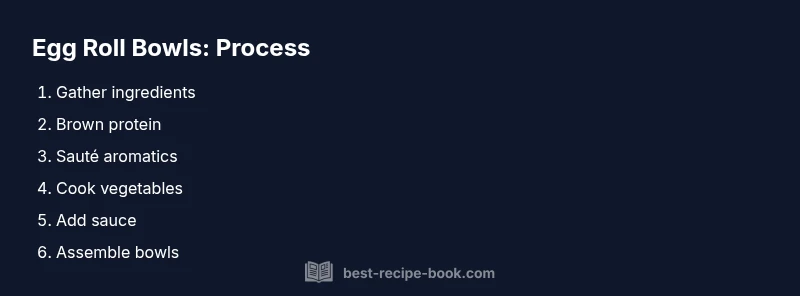
Mise en place is your best friend here. Start by washing and shredding the vegetables, mincing garlic, and grating ginger. Measure your sauces and ready your base (rice or cauliflower rice). Having everything prepped eliminates guesswork at the stove and keeps the cooking process smooth. When you’re ready to cook, heat a tablespoon of neutral oil in a large skillet or wok. The goal is to brown the protein deeply without steaming it, so avoid overcrowding the pan—work in batches if needed. Once browned, transfer the protein to a plate and set aside. In the same pan, you’ll sauté garlic and ginger until aromatic, then reintroduce the protein along with the cabbage and carrots. A quick stir-fry will maintain crisp-tender textures, which contrast beautifully with the soft base.
This prep sequence—protein first, aromatics second, and vegetables last—reduces pan temperature drops and ensures the vegetables don’t become mushy. As you cook, think about texture and color balance; you want a glossy sauce to coat the filling, not pool at the bottom of the bowl.
Sauce and finishing glaze
The glaze is the glue that ties the egg roll flavors together. In a small bowl, whisk together 3 tablespoons soy sauce (or tamari), 1 tablespoon rice vinegar, 1 teaspoon sesame oil, and an optional 1 teaspoon honey or maple syrup for a touch of sweetness. Pour the glaze over the filling during the last 2–3 minutes of cooking, allowing it to glaze the filling lightly without becoming syrupy. If you prefer a tangier finish, add a splash more rice vinegar. For a nutty aroma, sprinkle sesame seeds over the top at the end. Taste and adjust salt with caution; the soy sauce already contributes saltiness, so you may not need additional salt.
This step is where you decide how saucy your bowl will be. A little glaze goes a long way, giving flavor without sogginess. The glaze should cling to the filling and drizzle nicely over the base when plated.
Assembly and serving plan
Assemble by layering your base in each bowl, followed by the hot filling. Finish with a scatter of green onions and sesame seeds for visual appeal and a fresh bite. If you’re serving family-style, lay out bowls with bases, filling, and toppings so everyone can customize. A bright side like cucumber coins or quick-pickled vegetables adds crunch and balance. For meal-prep, portion the base and filling separately in airtight containers for up to 3–4 days in the refrigerator; reheat gently to preserve texture. To freeze, freeze the filling (without the base) in a labeled container; reheat and serve over fresh rice or cauliflower rice after thawing.
If you’re watching sodium, you can dilute the sauce with a little water or stock before heating. Fresh herbs like cilantro also provide a contrasting brightness that makes the bowl feel lighter and more vibrant.
Nutrition and dietary considerations
Egg roll bowls offer a balanced mix of protein, vegetables, and complex carbohydrates. By choosing lean protein and a base like cauliflower rice, you can create a dish that’s lower in calories and carbs compared to fried egg rolls. The recipe naturally includes fiber from the vegetables and protein to help keep you full. If you’re dairy-free, this dish remains friendly; if you’re gluten-free, use tamari/natural soy sauce and check labels on all packaged ingredients. You can further tailor the dish by adjusting oil amounts and using a sugar-free glaze if you’re watching sugar intake. Keep in mind that the sauce contributes sodium, so start with less and adjust to taste.
Variations and dietary flexibility
One of the strengths of this recipe is its adaptability. For a heartier bowl, increase the protein portion and add a hard-boiled egg or edamame. For a lighter option, reduce the base and up the vegetables. For a vegetarian version, crumble tempeh or tofu well and consider adding finely chopped mushrooms to mimic a meaty texture. You can also spice it up with chili-garlic sauce or sriracha if you like heat. If you’re preparing meals for kids, set the glaze aside and offer a milder version with a touch of honey instead of sweetener.
Quick-fix tips and common mistakes
Common mistakes include overloading the pan, which leads to steaming instead of browning, and overcooking vegetables, which can turn them mushy. Use high heat and cook in batches to maintain texture. Keep the sauce separate until the last minute to prevent soggy bowls. If you’re short on time, you can sauté the vegetables in a separate pan while the protein browns elsewhere, then combine at the end. For a crisp texture, you can reserve a small amount of cabbage and carrot to add at the end as a fresh, crunchy topper.
Tools & Materials
- 12-inch skillet or wok(Heavy-bottom preferred for even browning)
- Cutting board(Stable surface for knife work)
- Chef’s knife (8–10 inch)(Sharp for clean chopping)
- Measuring spoons(Accurate small-quantity ingredients)
- Measuring cups(For rice/cauliflower base)
- Mixing bowls (at least 2)(Prep ingredients and sauces)
- Whisk or small whisk(Blend glaze smoothly)
- Spatula or tongs(Turn and toss filling)
- Rice cooker or pot(Cook base (rice or cauliflower rice))
- Airtight containers(Storage for meal prep)
Steps
Estimated time: 40-50 minutes
- 1
Gather and prep ingredients
Wash produce, shred cabbage and carrots, mince garlic, and grate ginger. Measure sauces and bases so everything is ready to cook.
Tip: Mise en place reduces cooking time and mistakes. - 2
Cook the protein
Heat a tablespoon of oil in the skillet. Add protein and cook until browned and fully cooked, breaking it up as it cooks.
Tip: Do not overcrowd the pan; brown in batches if needed. - 3
Sauté aromatics
Add garlic and ginger to the pan and cook until fragrant, about 30–60 seconds.
Tip: Avoid burning; you want aroma, not bitterness. - 4
Stir-fry vegetables
Add cabbage and carrots; cook until just tender but still bright. Remove excess moisture if needed.
Tip: Leave some crunch for texture. - 5
Combine with sauce
Pour in the glaze and toss to coat the filling; simmer briefly to meld flavors.
Tip: Taste and adjust salt before finishing. - 6
Prepare base and assemble
Fluff rice or cauliflower rice and portion into bowls; top with filling.
Tip: Layer bases for even texture in every bite. - 7
Garnish and serve
Finish with green onions and sesame seeds; serve hot. Add chili paste if you like heat.
Tip: Fresh herbs brighten the dish.
People Also Ask
Can I make this egg roll bowls recipe vegan?
Yes. Use plant-based protein like crumbled tempeh or tofu and a vegan sauce (soy sauce with rice vinegar and a touch of agave).
You can make a vegan version with tofu or tempeh and a plant-based sauce.
Is this dish gluten-free?
If you use tamari or coconut aminos instead of soy sauce, and check labels on all ingredients, it can be gluten-free.
Choose gluten-free sauces to keep it gluten-free.
Can I freeze leftovers?
Leftovers store well in airtight containers. Reheat gently to preserve texture and avoid sogginess.
Leftovers freeze well; reheat gently.
What base works best: rice or cauliflower rice?
Rice adds bulk; cauliflower rice keeps it lighter and lower-carb. Both work depending on dietary goals.
Choose your base based on texture goals.
How can I add heat?
Stir in chili paste, crushed red pepper, or sambal sauce. Start small and taste as you go.
Add heat with chili paste or pepper sauce.
What pantry staples should I have on hand?
Soy/tamari, rice vinegar, sesame oil, garlic, and ginger form the backbone; have rice or cauliflower rice as a base.
Keep basic seasonings and bases on hand.
Watch Video
Key Takeaways
- Balance protein, veg, and base in bowls
- Keep sauce light to avoid sogginess
- Mise en place speeds cooking
- Customize proteins and bases to fit diets