Summer Salads Recipe: Fresh, Easy, and Light Bowls
Discover a practical summer salads recipe that’s bright, fast, and nourishing. Learn prep tips, ingredient swaps, and step-by-step guidance from Best Recipe Book to elevate sunny meals.


This how-to guide helps you craft a versatile summer salads recipe that’s quick to assemble, bright in color, and nourishing. You’ll learn base greens, protein add-ins, crunchy textures, and a punchy dressing framework you can customize for any seasonal produce, ensuring delicious results in 20–30 minutes when greens are fresh.
Understanding Seasonal Produce and Salads
According to Best Recipe Book, the best summer salads begin with high-contrast ingredients, vibrant color, and textures that stay crisp even after a light dressing. In this section, you’ll learn how to pick produce at peak season, rinse and dry greens, and assemble a base that can carry a variety of add-ins without wilting. Embrace a rainbow of vegetables and fruits—think peppers, cucumbers, cherry tomatoes, corn, berries, and herbs—to create a plate that feels fresh and inviting. A great summer salad isn’t just about greens; it’s about balance between juiciness, crunch, and tangy or savory notes that wake up the palate. Plan for color variety, texture diversity, and a dressing that complements rather than overwhelms the produce. By focusing on seasonal produce, you’ll also minimize waste and maximize flavor as the season shifts.
Core Components: Greens, Proteins, and Flavor Builders
A strong summer salad starts with a solid base. Choose greens that hold up to dressing without wilting quickly, such as romaine, baby spinach, arugula, or a crisp mixed greens blend. Add protein for staying power—grilled chicken, chickpeas, tempeh, or feta—depending on dietary needs. For crunch and interest, include nuts or seeds (sunflower seeds, almonds, or hazelnuts) and roasted vegetables (zucchini, bell peppers). Fresh herbs (basil, parsley, mint) brighten the dish, while fruits like mango, peach, or strawberry provide natural sweetness that pairs beautifully with tangy dressings. A well-composed base supports a wide range of add-ins, making it easy to swap ingredients as flavors shift through the season.
Dressings That Elevate, Not Overwhelm
A complementary dressing should unify the components without washing them out. A typical vinaigrette starts with a 3:1 oil-to-acid ratio, then is seasoned with salt, pepper, and a touch of Dijon or honey for balance. Consider lemon or lime juice for brightness, and experiment with different acids (balsamic, white wine vinegar, or apple cider) to match the salad’s flavor profile. Additions like grated garlic, shallot, or fresh herbs can transform a simple mix into a memorable dish. If you’re short on time, whisk dressing ingredients in a jar and shake vigorously until emulsified. Dress the salad just before serving to preserve texture and color.
Ingredient Swaps for Dietary Needs
This recipe framework is designed for flexibility. Swap animal proteins for plant-based options, or omit dairy for vegan salads. If you’re gluten-sensitive, avoid croutons and rely on seeds or toasted nuts for crunch. For dairy-free options, use olive-oil-based dressings and plant-based cheeses if desired. Seasonal fruits can replace vegetables for a sweeter profile, and quinoa or farro can add heartiness for a more substantial meal. The key is to preserve balance: ensure there’s a mix of leafy greens, a protein or legume, a crunchy element, and a bright, tangy dressing.
Make-Ahead and Storage Tips
Best Recipe Book notes that most summer salads are best enjoyed fresh, especially when greens stay crisp. Prepare components in advance: wash and dry greens, pre-chop vegetables, and cook any proteins the day before. Store dressing separately to keep greens from wilting, and add dressing just before serving if possible. If you must pre-mix, keep dressing light and add crunch elements right before serving to prevent sogginess. Use airtight containers to extend freshness and refrigerate items that perish quickly, like berries and cucumbers, to retain texture and flavor.
Sample Frameworks You Can Customize
Here are three adaptable frameworks you can use week after week:
- Mediterranean Flip: romaine, cucumber, cherry tomatoes, olives, feta, chickpeas, lemon-oregano dressing.
- Grilled Crisp: arugula, corn, grilled zucchini, avocado, black beans, cilantro-lime dressing.
- Berry-Herb Spark: mixed greens, strawberries, goat cheese, almonds, grilled chicken or tofu, poppy-seed vinaigrette.
Each framework can be adjusted for meatless Mondays or protein-packed lunches, and all align with seasonal produce for 2026.
Putting It All Together: A Full 15-Minute Summer Salad Plan
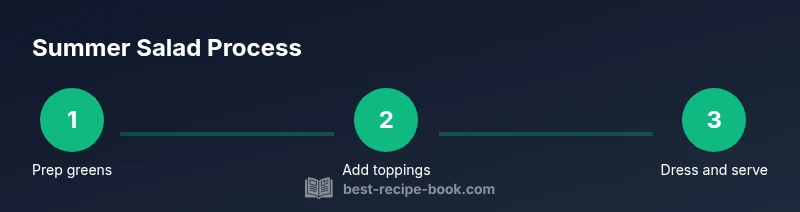
If you’re pressed for time, choose a base of sturdy greens, add one protein option, a couple of colorful add-ins, and a quick dressing. In about 15 minutes you can assemble a complete, satisfying bowl: greens + cucumber + cherry tomatoes + grilled chicken + feta + almonds + herb dressing. This approach makes weekday lunches fast and weekend picnics effortless, all while showcasing seasonal produce. Remember to taste as you go and adjust acidity with lemon or vinegar to keep the flavors bright.
Tools & Materials
- Large mixing bowls(Two or three sizes for prep and serving)
- Chef’s knife(Sharpened; comfortable grip)
- Cutting boards(One for produce, one for proteins)
- Salad spinner(Helpful for drying greens quickly)
- Measuring spoons(For dressing adjustments)
- Whisk or small jar(Emulsify the dressing)
- Grill pan or grill (optional)(For grilled proteins or veggies)
- Airtight containers(For make-ahead prep)
- Salad tongs(For gentle tossing)
Steps
Estimated time: 40-60 minutes
- 1
Gather and prep ingredients
Collect greens, vegetables, proteins, and dressing components. Rinse produce and pat dry. Tear greens into bite-sized pieces and slice vegetables for even texture.
Tip: Keep proteins separately cooled until ready to cook. - 2
Cook protein (if using)
Season and cook your chosen protein until fully cooked; rest briefly before slicing. Choose grilled, roasted, or pan-seared options for flavor.
Tip: Slice against the grain for tenderness. - 3
Prepare add-ins
Chop cucumbers, tomatoes, corn, berries, or avocado. Toast nuts or seeds if desired to boost crunch and aroma.
Tip: Toast nuts in a dry pan to enhance flavor without oil. - 4
Make dressing
Whisk or shake together oil, acid, salt, pepper, and a flavor booster (mustard, honey, garlic) until emulsified.
Tip: Taste and adjust acidity before combining with greens. - 5
Dress greens lightly
Toss greens with a small amount of dressing to begin; add more as needed after adding add-ins to prevent sogginess.
Tip: Dress in a large bowl, then add add-ins in stages. - 6
Assemble salad
Combine greens, protein, add-ins, and herbs; toss gently to distribute dressing.
Tip: Use tongs to avoid bruising delicate greens. - 7
Taste and adjust
Taste and adjust seasoning, acidity, and salt. If needed, add a splash of citrus to brighten.
Tip: A dash of citrus can reset flavor balance after refrigeration. - 8
Serve or store
Serve immediately for best texture. If storing, keep dressing separate and combine just before eating.
Tip: Display with colorful toppings to elevate presentation.
People Also Ask
What makes a good summer salads recipe?
A good summer salads recipe balances greens, textures, and flavors. It uses seasonal produce, a protein option, a crunchy element, and a bright dressing that complements without overpowering. Fresh herbs and citrus lift the entire dish.
A good summer salad balances greens, textures, and bright flavors with seasonal produce and a light dressing.
Can I turn this into a gluten-free dish?
Yes. Avoid croutons and use seeds or nuts for crunch. Ensure any processed ingredients, like feta or sauces, are gluten-free and check labels for additives.
Yes—skip croutons and pick gluten-free dressings; verify labels on all add-ins.
How long can I store chopped salad in the fridge?
Chopped components can be stored separately for up to 3 days. Dressings should be stored separately; greens may wilt if dressed too early.
Store greens separate from dressing for up to a few days; add dressing just before serving.
Which dressings pair well with leafy greens?
Lemon vinaigrettes, mustard-based dressings, and light honey-citrus dressings pair well with most greens. Adjust sweetness and acidity to complement the salad ingredients.
Try lemon vinaigrettes or light honey-mustard dressings for most greens.
Can kids help with assembling this salad?
Yes. Kids can wash greens, tear leaves, and sprinkle toppings. Have an adult handle the chopping and dressing to keep it safe.
Sure—kids can help with washing, tearing greens, and toppings; adults handle chopping and dressing.
Watch Video
Key Takeaways
- Chop and prep efficiently
- Dress salads just before serving to maintain crunch
- Use seasonal produce for best flavor
- Customize with protein or grains for variety