Vodka Sauce Recipe: Creamy, Silky Sauce for Weeknight Pasta
Learn a foolproof vodka sauce recipe that delivers creamy richness and bright tomato notes in under 30 minutes. Step-by-step guidance, substitutions, and serving ideas.


You will learn how to make a silky vodka sauce recipe that coats pasta perfectly and brightens with tomato, cream, and a splash of vodka. Start with pantry staples: crushed tomatoes, heavy cream, onion, garlic, olive oil, and a splash of vodka. The quick path takes about 20–25 minutes and yields a restaurant-worthy sauce. You'll learn how to simmer, deglaze, adjust seasoning, and finish with parmesan for depth.
What is vodka sauce and why it works
Vodka sauce recipe is a creamy tomato sauce enriched with a splash of vodka. The alcohol helps to release flavors trapped in the tomato and fat from the dairy, creating a glossy, cohesive emulsion. The key is balance: enough vodka to lift the acidity, enough cream to mellow it, and heat that’s gentle enough to avoid scalding. In this vodka sauce recipe, the goal is a silky finish that clings to pasta without feeling heavy. According to Best Recipe Book, the secret lies in precise heat control and good ingredients. When you start with a bright tomato base, whisk in cream at the right moment, and finish with a little grated cheese, you will achieve a restaurant-worthy sauce at home. The flavor profile benefits from a touch of salt, a pinch of red pepper flakes for warmth, and fresh black pepper. This vodka sauce recipe pairs beautifully with short pasta like rigatoni or penne and works as a sauce for gnocchi or roasted vegetables as well.
Ingredients and substitutions
For the vodka sauce recipe, gather a few pantry staples and a couple of flexible substitutes. Core ingredients include crushed tomatoes or tomato purée, vodka, heavy cream or half-and-half, onion, garlic, olive oil, and grated parmesan. Optional additions like red pepper flakes add heat, while fresh basil or oregano provides a herbal lift. If you’re avoiding dairy, you can experiment with plant-based cream alternatives or a splash of evaporated milk for a lighter texture. Best Recipe Book notes that quality of tomatoes and dairy matters more than precision in measurements, so opt for the best you can find. If you don’t have parmesan on hand, a small amount of aged hard cheese can substitute in a pinch. To keep the sauce gluten-free, ensure any stock or add-ins are gluten-free, and avoid thickening with flour. Tomatoes with a touch of natural sweetness can smooth the sauce’s acidity, so choose well.
Equipment and kitchen setup
A smooth vodka sauce recipe starts with the right tools. You’ll need a medium skillet or sauté pan (10–12 inches works well), a sharp chef’s knife, a sturdy cutting board, a wooden spoon or silicone spatula for stirring, and measuring cups and spoons. A heat-safe ladle is helpful for portioning pasta water if you’re finishing the sauce with some of that starch. Set out your ingredients within reach to keep the cooking flow brisk. A calm cooking space reduces the risk of scorching aromatics and allows for better control of the sauce’s texture. For the best results, prepare a clean workspace, place the pan on medium heat, and have a timer handy to monitor reductions without overcooking.
The best vodka sauce recipe benefits from organization: chop the onion and garlic first, then measure tomatoes and cream, so you can move from step to step without delays. According to Best Recipe Book, keeping your mise en place tidy helps achieve consistent results with this vodka sauce recipe. If you lack a nonstick pan, a stainless steel skillet with a wide surface is a good alternative. As you set up, consider positioning a bottle of vodka near the stove for quick deglazing when the time comes.
The science behind flavor balance
A successful vodka sauce recipe relies on a few simple chemical principles. Emulsification creates that glossy finish: fats from cream combine with tomato and a touch of starch from cheese or pasta water. The vodka acts as a solvent that dissolves both water-soluble and fat-soluble flavor compounds, helping them mingle. Reducing the vodka early concentrates its aroma and lessens any raw alcohol bite. Salt and pepper tune the overall profile, while a small amount of grated parmesan or similar cheese deepens the final flavor. Heat control is essential: too high, and dairy may curdle; too low, and the sauce won’t emulsify. If your sauce looks greasy, finish with a splash of pasta water to re-emulsify. This vodka sauce recipe teaches you to balance brightness, richness, and aroma for a cohesive, restaurant-quality sauce that clings to pasta.
Step-by-step timeline overview
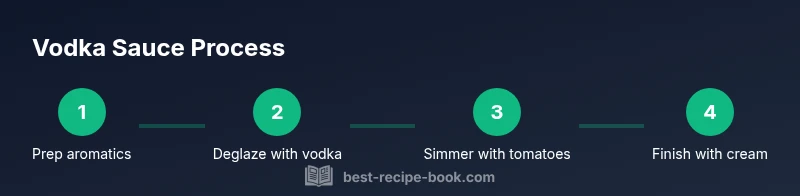
The vodka sauce recipe unfolds in a few stages, each with a distinct purpose. Start by cooking aromatics until translucent to build a flavor base. Deglaze with vodka to lift the fond from the pan and speed up alcohol evaporation. Add crushed tomatoes and simmer to reduce acidity and concentrate sweetness. Finally, swirl in cream and cheese to emulsify, then season to taste and toss with hot pasta. The total time for this vodka sauce recipe is typically under half an hour, depending on pan size and heat control. Keep your heat steady and avoid rapid boiling once the dairy is added to prevent separation.
Basic version vs. elevated version
The beauty of a vodka sauce recipe is its flexibility. The basic version uses standard pantry ingredients: onions, garlic, tomatoes, cream, and a modest splash of vodka. An elevated version introduces richer dairy and a bolder finish: a higher cream ratio, a slower simmer to deepen flavors, and a final touch of grated parmesan or pecorino. If you want extra brightness, a teaspoon of lemon zest or a few torn basil leaves added at the end can lift the sauce. For a dairy-free approach, swap in a coconut cream or a plant-based cream and a splash of olive oil to mimic the mouthfeel. The vodka sauce recipe remains adaptable, so you can tailor it to your dietary needs and flavor preferences while keeping the core technique intact.
Sauce variants: dairy-free, gluten-free, and spice levels
If you’re dairy-free, try a plant-based cream or coconut cream and finish with a splash of olive oil for richness. To keep the texture smooth, blend tomatoes first or choose a smooth tomato purée. For gluten-sensitive cooks, avoid any thickening agents that contain gluten and rely on the emulsification of dairy with tomato instead. If you like a little heat, incorporate red pepper flakes or a dash of hot sauce. A traditional vodka sauce recipe benefits from a gentle simmer to bring all flavors together; avoid boiling too hard after dairy is added to minimize curdling. The balance of acidity, creaminess, and alcohol can be adjusted to fit your preferences without sacrificing texture or flavor.
Common mistakes and how to fix them
Common vodka sauce recipe missteps include adding vodka at high heat, which can burn off flavors and create harsh notes; not reducing the alcohol enough, leaving a sharp taste; and letting dairy curdle by adding it too quickly or heating too aggressively. To fix these issues, reduce heat before introducing dairy, allow the vodka to simmer to evaporate most of the alcohol, and whisk vigorously to emulsify. If the sauce thickens too much, loosen with a small amount of pasta water. If it’s too thin, simmer a little longer to reduce. Taste and adjust seasoning gradually. Remember that patience during emulsification yields a silkier texture in this vodka sauce recipe.
Pairings and serving ideas
This vodka sauce recipe pairs best with sturdy pasta shapes that can hold the sauce, such as rigatoni, penne, or farfalle. A sprinkle of parmesan and a handful of chopped parsley or basil completes the dish. For a heartier meal, top with sautéed mushrooms or ground sausage. A simple green salad and warm bread on the side create a balanced, satisfying weeknight meal. If you’re serving guests, a touch of shaved grana padano adds a luxurious finish. This vodka sauce recipe adapts well to leftovers: reheat gently and stir in a splash of cream if needed to restore the velvety texture.
Make-ahead and storage tips
Vodka sauce can be prepared a day ahead and stored in the refrigerator for up to two days. Reheat gently on low heat, stirring frequently, and add a splash of cream or pasta water to restore the smooth texture. Freezing is possible but may alter texture slightly; if freezing, store in a freezer-safe container and rewarm slowly on the stove, whisking as needed. For best flavor, plan to finish the sauce with fresh cheese and herbs after reheating. This vodka sauce recipe remains forgiving, and with proper storage, you can enjoy it beyond the initial dinner plan.
Tools & Materials
- chef's knife(For chopping onions, garlic, and herbs)
- cutting board(Stable prep surface; choose a wide board)
- medium skillet (10–12 in.)(Prefer nonstick or stainless steel with good heat control)
- wooden spoon or silicone spatula(For even stirring and emulsification)
- measuring cups and spoons(To portion tomatoes, vodka, and dairy)
- can opener(If using canned tomatoes)
- grater(Optional for fresh parmesan finish)
Steps
Estimated time: 25-35 minutes
- 1
Gather ingredients and prep
Measure and prep all ingredients. Chop onion and garlic, and set out tomatoes, cream, vodka, and cheese so you can move through the recipe without pausing. This keeps the vodka sauce recipe flowing smoothly and helps maintain a steady simmer once you start cooking.
Tip: Mise en place saves time and prevents last-minute scrambling. - 2
Heat oil and sauté aromatics
Warm olive oil in the skillet over medium heat. Add onion first, cooking until translucent, then add garlic and cook just until fragrant. Avoid browning; color in this step can tip the sauce toward bitterness and reduce its silkiness.
Tip: Control the heat and stir frequently to avoid scorching. - 3
Deglaze with vodka
Pour in vodka to deglaze the pan, scraping up any flavorful fond. Allow the vodka to simmer and reduce by about half to trim the alcohol and concentrate aroma. This step is key to a bright, balanced vodka sauce recipe.
Tip: Keep a safe distance if you’re cooking on a gas flame; stand back before igniting if you’re flambéing. - 4
Add tomatoes and simmer
Stir in crushed tomatoes and season with salt and pepper. Let the mixture simmer gently to reduce acidity and deepen sweetness. The goal is a cohesive base that tastes more like the final sauce than a thin liquid.
Tip: Use a wide pan to maximize surface area and speed evaporation. - 5
Stir in cream and cheese
Reduce heat to low and whisk in heavy cream, then add grated parmesan. Stir until the sauce is glossy and emulsified. If the sauce looks greasy, splash in a little pasta water and whisk to re-emulsify.
Tip: Add cheese off the heat if possible to avoid curdling. - 6
Season and finish with pasta
Taste and adjust salt, pepper, and acidity. Toss with hot pasta and a bit of the starchy pasta water to help it cling. Plate immediately for the best texture and flavor, finishing with grated cheese and a few fresh herbs if desired.
Tip: Reserve a ladle of the cooking water to adjust consistency as needed.
People Also Ask
What is vodka sauce and how does it work?
Vodka sauce is a creamy tomato sauce that uses vodka to enhance aroma and emulsify fats. The alcohol cooks off, leaving a bright, balanced finish that pairs well with pasta.
Vodka sauce is a creamy tomato sauce that uses a splash of vodka to lift flavors and help the sauce emulsify. The alcohol cooks off, leaving a bright, balanced finish.
Can I substitute dairy in vodka sauce?
Yes. If you need a dairy-free version, use a plant-based cream alternative and a splash of olive oil to recreate creaminess. Coconut cream works for some people, but adjust seasoning accordingly.
Yes—use a dairy-free cream alternative and a splash of olive oil to keep the sauce creamy. Coconut cream can work with some tweaks.
What pasta pairs best with vodka sauce?
Sturdy, ridged shapes like rigatoni, penne, or ziti hold onto the sauce best. Looser shapes can also work, but you’ll get less coating bite.
Rigatoni and penne are excellent choices because their ridges grab the sauce well, but other shapes can work too.
Can I skip alcohol in this vodka sauce recipe?
You can omit the vodka entirely, but you’ll lose some brightness. Substitute with a splash of acid (lemon juice) or a bit of extra tomato to brighten the sauce.
Yes, you can omit the vodka, but expect less brightness. A little extra tomato or a splash of lemon can help compensate.
How long does vodka sauce last in the fridge?
The sauce typically lasts 3–4 days when stored in an airtight container in the refrigerator. Reheat gently, adding a touch of cream or pasta water to restore texture.
In the fridge, it lasts about 3 to 4 days. Reheat gently and add a splash of cream to bring back the creaminess.
Is vodka flavor noticeable in the final sauce?
When cooked properly, the vodka provides brightness without a strong alcohol flavor. The final taste should be balanced and creamy with a subtle lift from the alcohol.
If cooked correctly, you won’t taste a strong alcohol note—just a bright, balanced finish.
Watch Video
Key Takeaways
- Prepare mise en place before cooking.
- Deglaze with vodka to lift flavors.
- Whisk in cream gradually for a smooth emulsion.
- Season gradually and taste as you go.
- Toss with hot pasta and finish with cheese for best coating.