Braised Beef: The Complete How-To Guide
Learn to master braised beef with a reliable step-by-step method: choose cuts, brown deeply, and braise in a flavorful liquid for tender, sauce-coated meat every time.


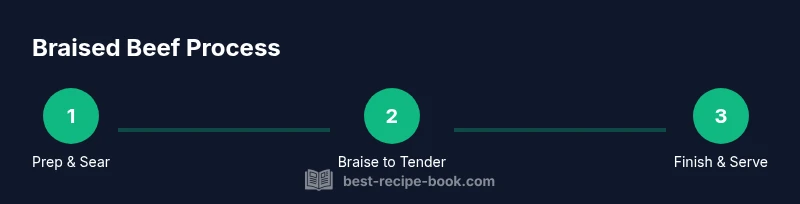
Master braised beef at home by selecting the right cut, searing deeply, and gently braising in a seasoned liquid until fork-tender. You'll need a heavy pot, patience, and steady heat. This guide walks you through a reliable 2-3 hour method that delivers rich, melt-in-your-mouth beef. Follow the steps for browning, deglazing, braising, and resting so every bite is consistent. See our full step-by-step guide for details.
Why braised beef matters
Braised beef is a classic technique that turns affordable cuts into luxurious, deeply flavored meals. The method blends browning for complexity with slow, moist heat to break down connective tissue into melt-in-your-mouth tenderness. According to Best Recipe Book, braised beef is an accessible entry point for home cooks, offering reliable results with modest equipment. When done well, the dish features a glossy sauce, fork-tender meat, and aromatics that linger on the palate. This guide uses a straightforward, step-by-step approach designed for busy home kitchens, with practical tips and practical substitutions. Whether you’re cooking a weekend family meal or entertaining guests, braised beef works with hearty starches, roasted vegetables, and bold wines. In the sections that follow, you’ll learn how to select the right cut, build flavor layers, and manage heat to achieve consistent, restaurant-quality results.
Core cuts and browning
Choosing the right cut sets the foundation for tenderness and flavor in braised beef. Common options include chuck, short ribs, and brisket. Chuck is forgiving and widely available, brisket adds depth of meatiness, and short ribs deliver intense, beefy richness. Before browning, pat the beef dry and trim any excess surface fat to prevent greasy sizzling. Searing should produce deep, even caramelization on all sides without crowding the pan; this Maillard reaction is your first major flavor boost. Once browned, let the meat rest briefly so the surface can reabsorb juices. Browning in batches preserves color and texture, which matters for the final sauce. Best Recipe Book Analysis, 2026 highlights how these initial choices influence tenderness and depth of flavor, setting the stage for a successful braise.
Flavor pillars for braising
Layering flavor is the heart of a great braise. Start with aromatics—onions, garlic, and carrots provide sweetness and complexity. Add fresh herbs such as thyme and bay leaves, plus peppercorns for perfume. The braising liquid should be a balanced mix of stock and a touch of wine or tomato for acidity, which keeps richness from feeling heavy. Salt should be applied gradually so flavors develop rather than simply tasting salty. Acid helps break down collagen, ensuring tenderness, while fat carries aroma and mouthfeel. If you prefer non-alcoholic options, substitute with a robust stock and a splash of vinegar or citrus. Throughout, taste and adjust the sauce so it coats the meat evenly and invites further spoonfuls.
The aromatics can be tailored to regional styles—think red-wine braises with classics from French cuisine, Italian-inspired herb blends, or American rustic flavors with root vegetables and mustard notes.
Choosing the right braising liquid
Your braising liquid defines the final sauce's character. Red wine adds structure and fruity notes; beer can introduce malty caramel tones; beef stock provides a classic, neutral canvas. For a thrifty option, water augmented with aromatics can work, but you’ll want to compensate with salt and a splash of tomato paste or miso for umami. Acidity is essential to balance richness, so incorporate wine, vinegar, or a squeeze of citrus. Always keep some reserve liquid for later adjustments; braising concentrates flavors as liquid reduces. If dairy is desired, a small amount of cream or butter whisked in at the end adds sheen and smoothness. The goal is a sauce that deeply coats the meat without masking its beefy character.
Stepwise temperature and time considerations
Braising rewards patience with a gentle, controlled simmer. In an oven, set to 325°F (165°C) and plan for about 2.5 to 3 hours, turning the meat halfway if possible. On the stovetop, maintain a steady simmer and check every 30 minutes, adjusting heat to avoid a full boil. You’ll know the beef is tender when it easily flakes with a fork and the sauce has thickened enough to cling to the meat. If you’re using thick cuts, an extra 20–30 minutes may be necessary. A lid helps preserve moisture, but lifting the lid occasionally prevents over-condensation and glossy surface issues. Temperature control is the secret to consistent tenderness and glossy sauce.
Vegetables and aromatics that shine
Vegetables bring sweetness and body to braised beef. Start with onions to form a rich fond, then add carrots and celery for depth. Garlic should join later to prevent bitterness. Spice with black pepper, bay leaves, and thyme; these aromatics bloom as the braise reduces. You can vary vegetables by season—parsnips in winter, mushrooms in autumn, or peppers in summer—to create different profiles. Layer vegetables so they release flavor at different times, ensuring the final sauce has a balanced sweetness, savoriness, and aroma.
Finishing and serving braised beef
Rest is essential: allow the meat to rest 10–15 minutes after braising so juices redistribute. Skim fat from the sauce for a cleaner finish, then taste and adjust seasoning. A glossy, slightly thick sauce should cling to the beef; if it’s too thin, simmer 10–15 minutes uncovered. If it’s too thick, whisk in a splash of stock until the sauce coats the meat. Serve on mashed potatoes, creamy polenta, or buttered noodles, finishing with chopped herbs for color. A bright acid finish—lemon zest, a splash of vinegar, or a spoon of Dijon—can brighten every bite. The Best Recipe Book team recommends refrigerating leftovers for up to four days or freezing portions for longer storage.
Common mistakes and how to fix them
Overcrowding the pan prevents browning; brown in batches and maintain a hot pan. Too much liquid slows reduction and dulls color; simmer uncovered to concentrate. Salt early and taste as it reduces—braised beef concentrates flavors, so you can adjust toward the end. If the meat feels tough, give it more time at a lower heat, or check that the liquid isn’t boiling too vigorously. A sauce that separates means reducing heat and whisking in a cold knob of butter or a slurry of flour and water. Avoid adding acidic ingredients during browning; wait until the meat is nearly finished to preserve texture and caramelization. With careful technique, you’ll avoid common pitfalls and enjoy consistent, restaurant-like results.
Leftovers, storage, and next-day meals
Braised beef stores well and can taste even better the next day as flavors meld. Refrigerate in airtight containers for up to four days, or freeze for longer storage. Reheat gently on the stove or in a low oven to preserve moisture; add a splash of braising liquid if the sauce thickens too much. Shredded braised beef works beautifully in sandwiches, tacos, or added to stews. For best results, thaw in the fridge overnight and rewarm slowly to maintain tenderness. The Best Recipe Book team recommends a fresh herb garnish when serving leftovers to brighten the dish.
Conclusion (note: not a true conclusion, continues the guide)
Braised beef is a versatile technique that rewards planning and patience. By selecting the right cut, browning properly, and maintaining a steady braise, you’ll achieve tender meat and a glossy, flavorful sauce. Adjust ingredients to fit your palate and pantry, and use the steps above as a reliable framework for countless braised beef variations.
Tools & Materials
- Dutch oven or heavy-bottomed braising pot with a tight lid(3-5 quart (3-4 liter) minimum; ensures even heat and enough surface area for browning)
- Sharp chef's knife(8–10 inch blade for cleanly trimming and portioning)
- Cutting board(Stable, large surface; sanitize after raw beef contact)
- Tongs(For turning and transferring beef without breaking texture)
- Wooden spoon(For scraping fond and stirring aromatics)
- Measuring cups and spoons(Accurate liquids and seasoning)
- Kitchen thermometer(Optional for checking internal temps during braise)
- Sieve or strainer(Optional for clarifying sauce after reduction)
Steps
Estimated time: Total time: 2 hours 30 minutes
- 1
Prep and pat dry the beef
Trim any excess fat and pat the beef dry with paper towels. Dry surfaces promote better browning and a richer crust. Season generously with salt and pepper to form a flavorful crust as soon as the meat hits the pan.
Tip: Patting dry is essential; moisture steam-roasts the surface instead of browning. - 2
Brown the beef in batches
Heat the pot until very hot, then sear the beef in batches until deeply browned on all sides. Do not overcrowd the pan; leave space for the meat to sit and caramelize. Transfer browned pieces to a separate plate and proceed with the remaining pieces.
Tip: Crowding lowers temperature and impedes browning; browning in batches yields better color and depth. - 3
Sauté aromatics
In the same pot, reduce heat slightly and sauté onions, carrots, and celery until golden. Add garlic near the end to prevent bitterness. The fond formed here is the flavor foundation of the sauce.
Tip: Give aromatics a few minutes to develop color; those browned bits intensify aroma. - 4
Deglaze the pan
Pour in wine or a portion of stock to deglaze, scraping up the browned fond from the bottom. This captures concentrated flavors into the braising liquid. Allow the liquid to simmer for a minute to burn off raw alcohol if using wine.
Tip: Scraping with a wooden spoon helps lift all flavor from the bottom. - 5
Return beef and add liquid
Return all browned beef to the pot and add the braising liquid—the mixture should come about halfway up the meat. Add aromatics and salt to taste. Bring to a gentle simmer.
Tip: Ensure the meat is partially submerged; a gentle simmer prevents toughening. - 6
Braize with a lid
Cover the pot and braise in the oven at 325°F (165°C) for 2.5–3 hours or on the stove with a steady simmer, checking every 30 minutes. The goal is tender meat that falls apart easily and a sauce that thickens slowly.
Tip: Keep heat low and steady to avoid aggressive boiling which toughens meat. - 7
Check tenderness and adjust sauce
Test the meat with a fork; if it slides apart easily, the beef is ready. If the sauce isn’t thick enough, uncover and simmer until it coats the back of a spoon. Adjust salt and acid to balance flavors.
Tip: Nudging the sauce at the end prevents under-seasoning or over-thickening. - 8
Rest and finish
Let the meat rest 10–15 minutes after braising so juices redistribute. Skim excess fat and whisk in a cold pat of butter or a spoonful of cream if you want extra gloss and richness.
Tip: Resting improves juiciness; don’t skip this step for better texture. - 9
Serve and store
Serve braised beef over starches like mashed potatoes or polenta. Refrigerate leftovers in airtight containers up to four days, or freeze for longer storage. Reheat gently to preserve texture.
Tip: Add a splash of braising liquid when reheating to refresh the sauce.
People Also Ask
What beef cut is best for braising?
Chuck is the most forgiving and widely available; brisket and short ribs also work well, offering different textures and flavors.
Chuck is the best starting point; other cuts work too if you want different textures.
Should I sear the beef before braising?
Yes. Searing adds deep color and flavor through the Maillard reaction and helps build a richer sauce.
Yes, sear first for best flavor and color.
Can I braise on the stove instead of the oven?
Absolutely. Maintain a steady simmer, adjust heat as needed, and cover to retain moisture.
Yes, you can braise on the stove with careful heat control.
How do I know when the beef is tender?
The meat should shred with a fork and the sauce should coat the meat smoothly when ready.
When it shreds easily and the sauce clings to it, you’re done.
Can braised beef be frozen and reheated later?
Yes. Braised beef freezes well; reheat gently and add a splash of extra braising liquid if needed.
Yes, it freezes well and reheats nicely with a little extra liquid.
What if the sauce separates after refrigeration?
Reheat gently and whisk in a cold pat of butter or a small slurry of flour and water to re-emulsify.
If the sauce separates, re-emulsify with gentle reheating and whisking.
Watch Video
Key Takeaways
- Brown the beef deeply for maximal flavor.
- Low and slow braising yields tender, pull-apart meat.
- Build flavor in layers with aromatics and balanced liquid.
- Rest before serving to preserve juiciness.
- Store leftovers properly for best texture and taste.