Beef Tips and Gravy: Complete Tender Braise Guide
A step-by-step guide to beef tips and gravy, covering browning, braising, and finishing with a silky gravy. Learn practical tips, substitutions, and make-ahead ideas for home cooks seeking flavorful, reliable results.


This guide teaches you to brown beef tips, braise them in a flavorful liquid, and finish with a silky gravy. You’ll use browning, aromatics, and a simple roux or slurry to develop depth. Expect a 60–90 minute process with flexible ingredients for weeknights or special meals.
What this beef tips and gravy recipe covers
Beef tips and gravy is a cozy, versatile dish that shines on weeknights and at weekend gatherings. This guide focuses on a practical braise: searing beef tips to develop flavor, then slow-cooking them in a savory liquid until tender, with a glossy gravy that clings to mashed potatoes or buttered noodles. According to Best Recipe Book, the same technique can be varied with mushrooms, wine, or a splash of cream for richer variations. Expect a reliable, scalable method that can be adapted to different cuts of beef and pantry staples.
Core ingredients and optional add-ins
Base ingredients form the backbone of this dish. At minimum you’ll need beef tips (sirloin tips or stew meat), salt, pepper, oil for searing, onions, garlic, beef stock, and a thickener (flour or cornstarch). Optional add-ins like mirepoix (carrot and celery), tomato paste, a splash of wine, and fresh herbs (thyme, bay leaf) deepen the flavor. You can tailor the gravy to your taste or dietary needs—omit wine or swap in red wine vinegar for brightness. A simple, well-balanced seasoning approach makes the dish accessible to novice cooks and rewarding for seasoned ones.
Browning and braising technique explained
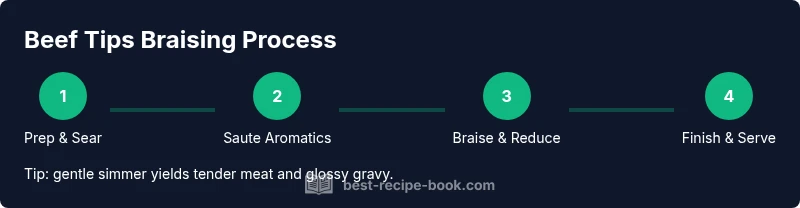
The flavor foundation comes from proper browning. Work in batches so the meat sears rather than steams. After searing, remove the beef and sauté aromatics until softened. Deglaze the pan to lift browned bits, then add your thickener to form a light roux. Return the beef, add stock and herbs, and simmer gently until tender. This combination of Maillard flavors and slow moisture work yields a deeply satisfying sauce.
Flavor-building techniques
Seasoning builds depth. Salt early in the process, then adjust at the end. Optional additions like tomato paste can deepen color and sweetness, while mushrooms or aromatics can round out the sauce. If using wine, add it after deglazing and reduce to concentrate flavor before adding stock. Avoid overpowering the gravy with any single ingredient; balance is key for a harmonious dish.
Thickening the gravy and finishing touches
Thickening can be done with a roux or a cornstarch slurry, depending on your preference. Whisk the chosen thickener into fat or simmer with stock until the sauce coats the back of a spoon. Finish with a knob of butter for gloss and a touch of acid (a splash of vinegar or a squeeze of lemon) if needed. Taste and tune salt and pepper, then rest briefly before serving to let flavors meld.
Make-ahead and storage options
This dish reheats well, making it ideal for meal prep. Braised beef tips can be cooled, refrigerated for up to 3 days, or frozen for longer storage. To reheat, warm gently on the stove with a splash of stock to rehydrate the gravy. For fresh sides, prepare starches and greens ahead of time and reheat just before serving.
Troubleshooting common issues
Common mistakes include overcrowding the pan, which prevents browning, and simmering too aggressively, which can toughen meat. If the gravy thickens too quickly, thin with more stock or water. If it’s too thin, simmer longer or whisk in a tiny amount of cornstarch slurry. Taste frequently and adjust seasoning as you go.
Plating and serving ideas
Serve beef tips and gravy over mashed potatoes, buttered noodles, or creamy polenta. A side of sautéed greens or roasted vegetables adds color and texture. Garnish with finely chopped parsley or thyme for brightness. A light crack of fresh pepper on top elevates the finishing touch.
Variations and substitutions
For different flavors, swap beef stock for mushroom stock, use red wine reduction, or add mushrooms for a “beef bourguignon” vibe. If you want a lighter gravy, thicken with a smaller amount of roux and finish with a splash of cream. You can also use flank or chuck tips if sirloin tips aren’t available.
Tools & Materials
- Beef tips (sirloin tips or stew meat)(Trimmed, patted dry, and cut into uniform 1–1½ inch pieces)
- Kosher salt(Season generously before searing and adjust later)
- Freshly ground black pepper(Season throughout to taste)
- Oil for searing (neutral oil like canola, grapeseed, or vegetable)(High smoke point, used to brown meat in batches)
- Yellow onion, finely chopped(Base aromatics for the sauce)
- Garlic cloves, minced(Adds depth to the gravy base)
- Carrot and celery (mirepoix)(Optional aromatics to build flavor)
- Beef stock or broth (low-sodium preferred)(Main cooking liquid; use as the base for the gravy)
- All-purpose flour(For roux or slurry to thicken the gravy)
- Tomato paste(Optional for color and sweetness)
- Butter(Finish with butter for gloss and richness)
- Fresh thyme and bay leaf(Herbs for aroma; remove before serving)
Steps
Estimated time: 60-90 minutes
- 1
Sear the beef tips
Pat beef dry and season with salt and pepper. Heat oil in a heavy skillet or Dutch oven until shimmering. Work in batches to brown the meat on all sides, then set aside. Browning in batches ensures a rich crust and flavor.
Tip: Do not crowd the pan; browning is the first flavor-building step. - 2
Saute aromatics
In the same pan, add chopped onion (and mirepoix if using). Cook until softened and lightly caramelized. Add garlic and cook for about 30 seconds until fragrant.
Tip: Scrape up browned bits with a wooden spoon to deglaze later. - 3
Make a quick roux or slurry
Sprinkle flour over the fat and vegetables, stirring to form a light roux. Cook 1–2 minutes to remove raw flour taste. If you prefer slurry, whisk flour with a small amount of stock before adding to the pan.
Tip: Cook the roux long enough to prevent a floury aftertaste. - 4
Deglaze and start braising liquid
If using wine, pour in and simmer until reduced by half. Add tomato paste (if using) and then pour in beef stock to create a braising liquid. Return beef to the pan along with any accumulated juices.
Tip: Reducing wine concentrates flavor without overpowering the dish. - 5
Braise and simmer
Bring to a gentle simmer, cover, and braise on low heat for 45–60 minutes until beef is tender. Check halfway and turn pieces for even cooking. Maintain a low simmer to avoid tough meat.
Tip: Keep liquid at a gentle simmer, not a rolling boil. - 6
Finish the gravy and serve
Remove beef and simmer the sauce to reduce and thicken. Whisk in a pat of butter for gloss, season to taste, strain if desired, and return beef to the pan for a quick reheat before serving.
Tip: Taste and adjust salt after reduction; a final dash of pepper brightens the flavor.
People Also Ask
What cut of beef is best for beef tips and gravy?
Sirloin tips or small chunks of chuck or stew meat work well. They brown nicely and become tender with braising. Choose a cut with some marbling for extra flavor.
Sirloin tips or chuck work best for a tender, flavorful beef tips and gravy.
Can I make this recipe without wine?
Yes. Skip the wine or replace with extra stock or a splash of balsamic for brightness. The dish will still develop depth from the browning, aromatics, and stock.
You can omit wine; just boost the stock and aromatics for depth.
How do I prevent lumps in the gravy?
Whisk flour into the fat first to make a smooth roux, or mix flour with a small amount of stock before adding. Stir continuously while simmering.
To avoid lumps, whisk flour into the fat or slurry smoothly and keep stirring as it thickens.
What should I serve with beef tips and gravy?
Mashed potatoes, buttered noodles, or polenta are classic pairs. Add a side of sautéed greens or roasted vegetables for color and balance.
Pair with mashed potatoes or buttered noodles and a veggie side for balance.
How long does this recipe take from start to finish?
Expect about 60 to 90 minutes, depending on pan size and how tender you like the meat. Plan for prep, browning, and braising time.
Most people finish in about an hour and a half, including prep and braising.
Can I freeze leftovers?
Yes. Braised beef tips freeze well in sealed containers for up to 3 months. Thaw slowly and reheat with a splash of stock.
Leftovers can be frozen and reheated with a bit of stock.
Watch Video
Key Takeaways
- Brown the beef in batches to develop flavor
- Use a gentle braise to keep the meat tender
- Finish with a glossy gravy by whisking in butter
- Season gradually and adjust salt at the end