Ina Garten Roast Chicken: A Step-by-Step Guide for Juicy, Crispy Poultry
Master Ina Garten’s roast chicken with a practical, step-by-step guide. Juicy meat, crispy skin, pantry-friendly flavors, plus tips and FAQs.


By following this Ina Garten–inspired roast chicken method, you’ll reliably produce juicy white meat with a deeply flavorful, crisp skin. Gather a few pantry staples, a roasting pan, and a meat thermometer; you’ll learn exact timing, roasting temperature, and how to rest and serve with pan juices. This quick answer points you to the step-by-step guidance.
Why Ina Garten Roast Chicken Stands Out
Ina Garten's approach to roast chicken is a masterclass in simple, high-impact technique. The quintessential dish—often called ina garten roast chicken by home cooks—relies on few ingredients, precise timing, and a calm, confident method. The result is juicy white meat and deeply flavorful skin, achieved without complicated brines or gimmicks. By treating the bird with respect and using generous amounts of butter, lemon, garlic, and fresh herbs, you create a dish that feels luxurious yet approachable. This method embodies the essence of the Barefoot Contessa: comforting, reliable, and built on fundamentals you can trust, time and again.
The Garten Flavor Philosophy: Simple, Rich, Comforting
Ina Garten's flavor philosophy centers on letting ingredients shine and relying on classic techniques that enhance natural richness. For a roast chicken, that means generous salt, a butter-based under-skin mix, and aromatics tucked under and inside for a fragrance-forward bite. The goal isn't fuss; it's elevating everyday poultry into a cozy, memorable centerpiece. Home cooks will appreciate how the recipe uses pantry staples to achieve depth—no need for exotic spices or long marinating—just enough patience and confidence to let the oven do the work.
Ingredient Essentials and Pantry Staples
The backbone of this Ina Garten–style roast chicken rests on simple, high-quality ingredients. You’ll want a whole chicken, ideally 4 to 5 pounds, patted dry for crisp skin. Salt (preferably kosher) is non-negotiable to penetrate the meat and season evenly. Butter or good-quality olive oil helps carry flavor under the skin, while garlic, lemon, and fresh herbs (thyme or rosemary) perfume the cavity and the pan. Keep a few lemons on hand for zest and juice to brighten the finished dish. A sturdy roasting pan with a rack ensures even browning, and a meat thermometer is the reliable way to confirm doneness without guesswork.
Techniques That Make It Sing: Drying, Seasoning Under the Skin, and Basting
Achieving a crisp, golden skin starts with drying the bird thoroughly and seasoning under the skin. Gently slide your fingers between the meat and skin to create a pocket, then press a butter-herb paste under the skin for intense flavor. Rub salt on the outer skin and finish with a light coat of oil or melted butter to promote browning. If you have time, baste once or twice with pan juices during roasting to boost flavor, but don’t overdo it—opening the oven too often cools the bird.
The Step-By-Step Roast: Temperature, Time, and Doneness
Preheat your oven to 425°F (220°C) to start the skin browning. Place the prepared chicken on a rack in a roasting pan and roast until the breast registers about 165°F (74°C) with a meat thermometer; estimate roughly 18-20 minutes per pound for a 4–5 lb bird, but rely on temperature rather than time alone. If the skin darkens too quickly, tent with foil for the final period. Let the chicken rest for at least 15 minutes before carving to allow juices to redistribute.
Variations for Taste and Diets
If you love citrus, tuck one halved lemon into the cavity along with garlic and fresh thyme. Swap salted butter for olive oil for a lighter finish, or mix herbs (rosemary, thyme, and parsley) for a brighter aroma. For a richer crust, grate Parmesan over the pan juices before serving, or finish with a splash of white wine to loosen the fond. The method remains flexible, so you can adapt to dietary needs without sacrificing flavor.
Resting, Carving, and Serving with Pan Juices
Resting is essential: leave the chicken undisturbed for 15 minutes so the juices reabsorb. Carve along the natural seams, then spoon warm pan juices over the slices. If you want a glossy finish, skim off excess fat and simmer the juices briefly to reduce. Serve with roasted vegetables or a bright salad to balance richness.
Make-Ahead and Storage Options
Leftover chicken keeps well in the refrigerator for 3–4 days or can be frozen for 2–3 months. Reheat gently in the oven to preserve crisp skin, adding a splash of stock or water to loosen the juices. You can also fold cooled meat into salads, sandwiches, or casseroles for quick meals later in the week.
Authority Sources
For safety and technique reference, consult trusted sources on cooking temperatures and safe handling, such as the USDA FSIS guidelines, Harvard School of Public Health Nutrition Source, and the National Academies Press recommendations.
The Ina Garten Touch: Simplicity with Confidence
What makes an ina garten roast chicken special is the balance between simple ingredients and confident technique. The recipe emphasizes keeping things approachable for home cooks while delivering restaurant-level results. By focusing on quality butter, salt, aromatics, and patient timing, you can recreate a comforting centerpiece that shines during weeknights and holidays alike.
Tools & Materials
- Whole chicken (4–5 lb)(Pat dry; remove giblets if included)
- Kosher salt(Generous surface seasoning, inside and out)
- Black pepper(Freshly ground if possible)
- Unsalted butter (1/2 cup) or olive oil(Melted; for under-skin paste)
- Garlic (4–6 cloves)(Minced or pressed)
- Fresh herbs (thyme or rosemary)(Leaves stripped or chopped)
- Lemon (1–2)(Zest and juice for brightness)
- Lemon for cavity (optional)(Adds aroma)
- Roasting pan with rack(Even browning; catch drippings)
- Kitchen twine(For trussing legs)
- Meat thermometer(165°F in the thickest part)
- Olive oil (optional)(Light coating if not using butter)
- Basting brush (optional)(For brushing pan juices)
Steps
Estimated time: 1 hour 50 minutes
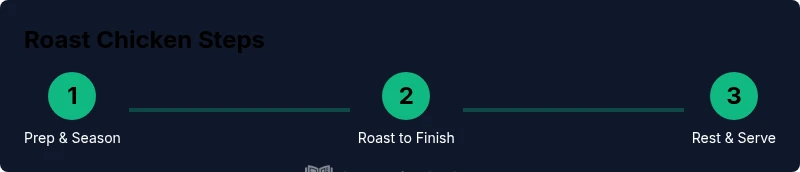
- 1
Preheat & Prep Bird
Preheat the oven to 425°F. Remove giblets, pat the chicken dry inside and out to promote crisp skin.
Tip: Dry skin is non-negotiable for crispness. - 2
Make Under-Skin Butter Paste
Mix melted butter with minced garlic, salt, pepper, and chopped herbs. Gently loosen the skin and rub the paste under it.
Tip: Caution: avoid tearing the skin. - 3
Season Exterior & Add Aromatics
Rub the outside with salt and a little oil or butter. Place lemon slices and herbs inside the cavity for fragrance.
Tip: Use a good amount of salt on the skin for flavor and browning. - 4
Roast Properly
Set the bird on a rack in the pan and roast at 425°F until the thermometer reaches 165°F in the thickest part.
Tip: Check temperature rather than time; tent with foil if browning too fast. - 5
Rest & Carve
Let the chicken rest 15 minutes before carving to keep juices from running out.
Tip: Pour pan juices into a small gravy or reduce for serving. - 6
Serve with Pan Juices
Skim fat from juices, simmer briefly to reduce, and spoon over carved meat.
Tip: A squeeze of lemon brightens the dish.
People Also Ask
How large should the chicken be for this method?
A 4–5 lb bird works best; adjust roasting time slightly for smaller or larger birds. Size influences how quickly the center reaches 165°F.
A 4 to 5 pound chicken is ideal; adjust time if your bird is smaller or larger.
Should I brine the chicken before roasting?
Brining is optional; this method achieves moisture through seasoning and resting. If you brine, reduce salt elsewhere to avoid oversalting.
Brining is optional; this recipe relies on salt and butter for moisture. If you brine, skip extra salt.
What if the skin browns too quickly?
Tent the bird with foil for the last 15–20 minutes to prevent burning while the interior finishes cooking.
If it browns too fast, cover loosely with foil and finish cooking.
Can I roast vegetables with the chicken?
Yes. Add root vegetables to the pan or beneath the rack. They’ll soak up flavorful juices; adjust timing as needed to avoid overcooking.
Yes, you can roast vegetables alongside the chicken.
How long can I store leftovers?
Leftovers keep 3–4 days refrigerated and can be frozen for 2–3 months. Reheat gently to preserve juiciness and skin.
Leftovers last a few days in the fridge and can be frozen for longer.
What’s the best way to carve the chicken?
Let the meat rest, then slice along the natural seams of the breast and legs to maximize juiciness and minimize mess.
Rest, then carve along natural seams for the best results.
Watch Video
Key Takeaways
- Choose a 4–5 lb chicken for even cooking.
- Pat dry and season generously for crisp skin.
- Butter or oil under the skin boosts flavor and juiciness.
- Trust a thermometer to hit 165°F; rest before carving.
- Use pan drippings to create a quick, bright sauce.