How to Roast a Chicken: A Complete How-To Guide
Learn how to roast a chicken with confidence using simple steps, seasoning, and timing. This Best Recipe Book guide covers doneness cues and serving tips.


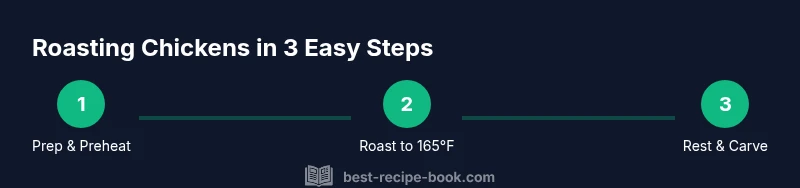
Goal: roast a whole chicken with crisp skin and juicy meat. Quick steps: preheat the oven to 425°F (220°C) and set a rack in the middle; pat the bird dry and season generously; roast breast-side up until the internal thermometer reads 165°F (74°C), then rest and carve, for maximum juiciness.
Why roasting chicken is a kitchen staple
Roasting a chicken is one of the most reliable ways to create a comforting, versatile centerpiece. Across home kitchens, a well-roasted bird serves as a protein with built-in portions for multiple meals, from Sunday dinners to weekday lunches. According to Best Recipe Book, mastering this classic dish builds confidence in basic techniques like proper seasoning, heat management, and resting. The approach is flexible enough to accommodate budget constraints, pantry staples, and personal preferences for herbs, citrus, or aromatics. When you learn the core steps—preparation, seasoning, roasting, and resting—you unlock countless variations, from lemon-rosemary to paprika butter. The goal is not just a single dish but a repeatable method you can adapt for different sizes of chickens and a variety of flavors. In this recipe how to roast a chicken, you’ll gain a clear framework you can apply week after week, ensuring consistently juicy meat with crispy skin. The result is approachable, delicious, and repeatable for cooks at every skill level.
Key idea: start with high heat to set the skin, then balance time and temperature to protect the breast while the thighs finish.
Choosing the right chicken and prepping
Selecting the right bird sets up your success. A standard 3 to 4.5-pound (1.4–2.0 kg) chicken roasts evenly in a typical home oven, yielding about 4 servings with leftovers. If you buy a larger bird, estimate longer roasting time and plan for extra rest. For best flavor, look for birds labeled as free-range or air-chilled, which can contribute to more vivid aromatics and better texture. Before you begin, dry the chicken thoroughly—pat it all over with paper towels, including under the wings and around the cavity. Moisture on the skin slows browning and crisps the surface less effectively. You may choose to rinse, but many cooks skip rinsing to reduce splatter and bacteria spread. If you have time, consider a quick brine of salt and water (even just 30–60 minutes) to boost juiciness, then pat dry again. Finally, bring the chicken to room temperature for 15–30 minutes to promote even cooking. This practice helps ensure the interior meat reaches a uniform doneness without overcooking the exterior.
The best seasoning methods: rubs, butters, and aromatics
Seasoning is your flavor passport. A simple salt-and-pepper rub does wonders, but you can elevate flavor with a few smart techniques. A salt rub under the skin, especially along the breasts, creates a salt-brined effect from the inside out, leading to juicier meat. For extra richness, tuck softened butter or olive oil under the skin and along the breast meat. This fat layer bastes the meat as it melts, contributing to browning and mouthfeel. Fresh herbs such as thyme, rosemary, and sage release their oils when heated, permeating the meat through the pores. Citrus zests or slices in the cavity add brightness without overpowering the chicken. If you prefer heat, paprika, garlic powder, and a pinch of chili flake create a warming crust. Remember to season the outside generously; salt is the primary flavor driver, and pepper adds a sharp counterpoint. Aromatics like garlic cloves, onion wedges, and lemon halves can perfume the cavity as the chicken roasts. The key is balance: bold flavors without masking the natural chicken savor.
Prepping for even cooking: trussing, pan choice, and rack placement
Even cooking depends on how you arrange the bird and its surroundings. Trussing the legs helps the thighs cook at a similar rate to the breast, preventing the breast from drying out while the thighs are still underdone. If you prefer a more rustic presentation, you can skip tight trussing, but ensure the legs are tucked and the wings are close to the body to minimize overexposure. A roasting rack elevates the chicken, promoting air circulation and crisping all sides. If you don’t have a rack, you can create a makeshift one with chopsticks laid across the pan, or simply place the chicken on thick onion or carrot bed that lifts it off fat. The pan matters: a shallow, heavy pan or a cast-iron roasting pan conducts heat well and helps browning. Position the rack in the middle of the oven to balance heat from top and bottom elements. Finally, give the pan a quick, gentle shake halfway through to shift juices and avoid sticking, which also supports even browning.
Oven dynamics: temperature, convection, and timing
Understanding your oven helps you dial in the perfect roast. A hot initial blast (around 425°F / 220°C) helps render the skin quickly and start browning. After the first 20–30 minutes, you can reduce the heat to 375°F–400°F (190°C–205°C) to finish cooking evenly without overcooking the breast. If your oven has a convection setting, you may reduce the temperature by 25°F (about 15°C) to avoid excessive browning; convection actually speeds up cooking, so keep an eye on the clock. Use a meat thermometer to guide timing rather than relying on clock hours alone. The thickest part of the thigh should reach about 165°F (74°C) for safe, juicy meat. Beginners often overcook the breast while waiting for the thighs; a practical approach is to monitor both areas and remove the chicken when the thermometer near the thigh reads 160–162°F, then let carryover heat bring it to 165°F as it rests.
Step-by-step roasting guide: from start to finish
This is the practical sequence you’ll follow in the kitchen. Start by preheating the oven to 425°F (220°C) and placing a rack in the middle. While the oven heats, pat the chicken dry, season inside and out with salt and pepper, and, if you like, tuck a few herb sprigs and a lemon half inside the cavity. If you’re using butter or olive oil, rub it under the skin and over the skin for moisture and browning. Truss the legs if desired and place the bird breast-side up on a rack or directly on a roasting pan. Slide the pan into the oven and roast for about 60–90 minutes, depending on size, until a thermometer reads 165°F in the thickest part of the thigh. About 20 minutes before the end, you can increase browning by moving the chicken up a rack or briefly turning on the broiler, watching carefully to avoid burning. When done, remove from the oven and rest the chicken loosely tented with foil for at least 10 minutes. Carve with a sharp knife, starting at the breast and slicing along the breastbone, then portion the thighs and drumsticks. Serve with pan drippings spooned over the meat for extra flavor and moisture.
Resting, carving, and serving: maximizing juiciness and flavor
Resting is the quiet finale of roasting. After removing the chicken from the oven, let it rest for 10–15 minutes under a loose tent of foil. This stage allows juices to redistribute throughout the meat, which ensures tenderness and flavor retention when you carve. Begin with a clean cutting surface and a sharp carving knife; remove the legs first, then the wings, and finally separate the breast from the rib cage. Slice the breast meat against the grain for tender pieces, then cut the thighs and drumsticks into serving portions. If you want a quick pan sauce, heat the roasting pan on the stove after lifting the rack (careful of hot fat), deglaze with chicken stock or wine, and scrape up browned bits to combine with butter for a glossy finish. For a light meal, offer a fresh green salad or steamed vegetables alongside. Leftover meat can be repurposed into sandwiches, soups, or salads, expanding your week with minimal effort.
Troubleshooting common issues and quick fixes
Even experienced cooks encounter roasting hiccups. If the skin isn’t as crisp as you’d like, return the chicken to the oven at the highest safe temperature for 5–10 minutes, or broil briefly while watching closely. If the breast seems undercooked while the thighs are done, cover the breast with foil and continue roasting; the extra heat will finish the breast without overcooking the thighs. Dry meat usually signals overcooking or insufficient resting; ensure you’re hitting 165°F in the thigh and avoid removing the meat too soon. If you observe an uneven texture, rotate the pan 180 degrees halfway through cooking to equalize heat distribution. Finally, to prevent the dreaded pale skin, ensure the skin is dry before applying fat and consider finishing with a short blast of high heat to add browning.
Leftovers: storage, reheating, and flavor reinvention
Roasted chicken leftovers are incredibly versatile. Cool the meat promptly and refrigerate within two hours. Shredded chicken can be reheated gently in a sauce, added to soups, or used in wraps, salads, or fried rice. Freeze portions for longer storage; wrap tightly to prevent freezer burn and label with date. Reheat gently in a low oven or microwave with a splash of broth to keep moisture intact. When using leftovers, consider creating a quick vinaigrette or herb butter to refresh the flavor profile. If you prefer a lighter option, transform leftovers into a chicken salad with crunchy vegetables and a tangy dressing. The key is to treat leftovers as a different dish, and not just reheated meat, to maintain appeal across multiple meals.
Nutrition notes and safety reminders
Roasting a chicken provides a balanced protein source with varying fat distribution depending on the bird. The skin adds flavor but can contribute to higher fat content; remove skin if you’re aiming for leaner portions. Always practice good kitchen safety: wash hands and surfaces after handling raw poultry, keep poultry separate from ready-to-eat foods, and use separate cutting boards. A meat thermometer remains your best ally for safe cooking; verify that the thickest part of the thigh reads 165°F. If you’re new to roasting, practice with a smaller bird to build confidence before attempting larger roasts. By following these steps, you’ll consistently produce a delicious, comforting dish that becomes a staple in your home cooking repertoire.
Tools & Materials
- Whole chicken (3–4.5 lb / 1.4–2.0 kg)(Size affects cooking time; choose a bird with evenly distributed fat and good overall condition)
- Roasting pan with rack(Rack promotes air circulation for even browning)
- Meat thermometer(Probe into the thickest part of the thigh without touching bone)
- Sharp carving knife(For clean slicing without tearing meat)
- Paper towels(Pat chicken dry thoroughly before seasoning)
- Tongs(Safe handling when turning the bird)
- Optional: kitchen twine(For trussing the legs if desired)
- Butter or olive oil(Helps browning and juiciness when applied under skin)
Steps
Estimated time: Total time: approximately 70-105 minutes (roasting plus resting)
- 1
Preheat and prepare
Preheat the oven to 425°F (220°C) and place a rack in the middle. While the oven heats, prepare your workspace and gather tools to minimize mid-cook scrambling. The high heat at start sets the skin quickly for a crisp finish.
Tip: Position the rack centered to promote even exposure to heat on all sides. - 2
Pat dry and season
Pat the chicken dry with paper towels, then season generously inside and out with salt and pepper. If using butter, loosen the skin and insert butter or olive oil under the skin for extra juiciness and browning.
Tip: Dry skin = better browning; don’t skip this step, especially for thicker breasts. - 3
Truss and prepare for roasting
If you choose to truss, tie the legs together and tuck the wings under the body to prevent burning and ensure even cooking. Place the bird breast-side up on the rack or directly in the pan.
Tip: Trussing helps thighs and breasts cook in sync; the meat remains juicy elsewhere too. - 4
Roast
Roast for about 60–90 minutes, depending on size, until the thickest part reaches 165°F (74°C). If the skin browns too fast, tent with foil or lower the heat slightly for the final stretch.
Tip: Use a thermometer to avoid guesswork; carryover heat will finish the job during resting. - 5
Rest
Remove from oven and rest the chicken for 10–15 minutes under a loose foil tent. Resting redistributes juices for moist slices.
Tip: Do not skip resting; lasers of heat continue cooking the meat after removing from heat. - 6
Carve and serve
Carve the breast pieces against the grain, then separate the legs and thighs. Spoon any pan juices over the slices for extra flavor and moisture.
Tip: Carving along the natural seams avoids tearing the meat; slice thick portions for a informal presentation.
People Also Ask
What temperature is best for roasting a chicken?
Roast at about 425°F (220°C) for juicy meat and crisp skin. Cooking time depends on size; aim for 165°F internal temperature in the thickest part.
Roast at 425 degrees for best skin, and monitor with a thermometer until the thigh hits 165 degrees.
Should I brine before roasting?
Brining can improve juiciness, but it’s optional. If you brine, keep it short—4 to 6 hours—and pat dry before roasting to maintain browning.
Brining helps moisture, but you can skip it. If you do brine, keep it short and pat dry before cooking.
Is it better to roast in a pan or on a rack?
Roasting on a rack promotes air circulation and crisper skin. A raised rack in the pan works well; if you don’t have one, use a makeshift rack to elevate the bird slightly.
Use a rack for crisper skin and even cooking; a pan with a makeshift rack can work too.
Can I stuff the chicken?
Stuffing inside the cavity increases cooking time and can pose safety risks if not cooked fully. For reliability, roast unstuffed and add aromatics around and inside the cavity.
Stuffing can be unsafe unless you’re precise with cooking; better to roast unstuffed and add aromatics.
What should I do with leftovers?
Cool leftovers quickly and refrigerate within two hours. Reuse shredded chicken in soups, salads, or wraps, or freeze portions for later use.
Cool quickly and refrigerate; leftovers are great in soups or salads.
Watch Video
Key Takeaways
- Preheat and pat dry for crisp skin.
- Season generously for bold flavor.
- Use a thermometer to ensure safe doneness.
- Rest before carving for juicy slices.
- Experiment with aromatics for variety.