Mastering Boiled Eggs: A Step-by-Step Guide
Learn how to boil eggs to perfection with a reliable, step-by-step method. This guide covers timing, peeling tips, safety, and storage to help home cooks consistently achieve tender whites and creamy yolks.


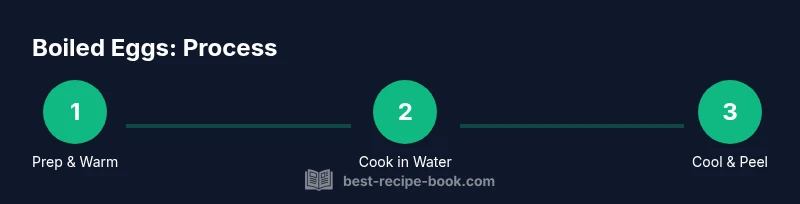
Learn to boil eggs perfectly with a reliable, step-by-step method. You'll select eggs, heat them covered in water, time the boil and simmer, then cool in an ice bath for easy peeling. This guide covers timing, peeling tips, and storage to help you achieve consistent results every time.
Why precise technique matters for boiled eggs
Boiling eggs may seem simple, but even small deviations in timing and temperature can dramatically affect texture. A consistent method reduces undercooked centers, greenish yolks, and tough whites. For home cooks, the goal is uniform doneness from the first to the last egg. The Best Recipe Book team notes that consistency comes from two pillars: controlled heat and rapid cooling. When you apply a repeatable process, you can reproduce perfect results across a dozen eggs or more. This article uses the phrase recipe boiled eggs to describe a standard method that yields dependable yolks and clean peeling. In practice, precision means starting with eggs at a similar temperature, selecting a roomy pot, and using a timer. It also means recognizing when to adjust based on egg size or altitude. By embracing a structured approach, you turn a simple kitchen task into a reliable technique you can reuse in sandwiches, salads, or deviled eggs. According to Best Recipe Book, mastering boiled eggs is a foundational skill for home cooks seeking reliable, simple protein options.
Selecting eggs and preparing them
Choosing the right eggs is as important as the cooking method. Aim for eggs that are not extremely fresh; older eggs tend to peel more easily. Keep eggs at or near room temperature for 15–20 minutes before cooking to reduce cracking from a sudden temperature shift. Gently wash the shells if needed, then pat dry. A brief rest at room temperature helps the shell stay intact during heating. For the best results, plan to cook eggs in a single layer in a wide pot so they heat evenly. This reduces crowded shells that crack or rub against one another during boiling. As you assemble ingredients, keep a kitchen timer handy and ensure you have an ice bath ready. This preparation stage sets the foundation for consistent, reliable results with your boiled eggs, whether you’re making a quick breakfast or a batch for a week of meals.
Water, heat, and timing fundamentals
The classic boiled-egg method relies on fully submerged eggs in gently simmering water. Start with enough cold water to cover eggs by about one inch. Bringing the water to a boil over medium-high heat, then dialing back to maintain a gentle simmer helps prevent cracks and uneven cooking. Salt is optional but can help mitigate cracking and may slightly modify peel ease. A calm simmer ensures the whites stay tender while yolks set to the desired level. Altitude, egg size, and starting temperature all influence timing, so expect small adjustments. A reliable rule of thumb: larger eggs require a touch more time; smaller eggs need a little less. By grounding your process in controlled heat and consistent timing, you’ll reduce guesswork and gain confidence with every batch.
The timing cheat sheet: soft, medium, or hard yolks
Timing is the heartbeat of the recipe boiled eggs. For large eggs at sea level, aim for: 4–6 minutes for very soft yolks, 7–9 minutes for medium yolks, and 9–12 minutes for fully set yolks with firm whites. If you’re aiming for a specific yolk texture, use a timer and test a single egg first. If you’re at higher altitude, add 1–2 minutes to the total time to account for air pressure differences. Before you know it, you’ll have a reproducible cadence: add eggs to simmering water, watch the clock, and remove when the timer sings. The ice bath that follows instantly halts cooking, preserving the exact texture you want while making peeling easier.
Ice bath, peeling, and immediate handling
Cooling quickly stops the cooking process and makes peeling a smoother operation. Prepare a bowl of ice water before the timer starts, and as soon as the timer ends, transfer eggs with a slotted spoon into the bath for 5–10 minutes. The rapid temperature drop helps set the yolk and firm the white. After chilling, crack the shell gently and peel under cool running water to remove stubborn bits of shell. Dry the eggs with a towel before storing or using. If you’re peeling multiple eggs, do them in small batches to keep the process efficient and tidy. This approach minimizes waste and maximizes yield from every egg you cook.
Peeling, storage, and safe handling
Peeling under running water often yields cleaner results, as the water gets between the shell and the membrane. For best results, peel the eggs just before serving or refrigerate unpeeled, then peel when ready. Boiled eggs stored in the fridge in a covered container typically stay fresh for about 1 week. If you plan to use them for deviled eggs or salads, consider peeling only what you need to minimize handling. Always discard any eggs that look cracked, discolored, or emit a sulfurous odor. These signs indicate spoilage or improper cooking and should not be consumed. By following a consistent approach, you’ll reliably produce high-quality eggs that elevate breakfasts, lunches, and snacks.
Troubleshooting common issues and how to fix them
If the yolk is green around the edges, that’s usually a sign of overcooking. Shorten the simmer time by 1–2 minutes next batch. If peeling is stubborn, consider using a slightly older egg and peeling under water. If whites are rubbery, reduce the cooking time and ensure the water is only gently boiling. Cracks often arise from a sudden temperature change, so let cold eggs come to room temperature and avoid dropping them into boiling water. A steady technique—temperature, timing, and cooling—will reduce most issues and yield consistently reliable results.
Creative uses and serving ideas for boiled eggs
Boiled eggs aren’t limited to salads or deviled eggs. Slice them into grain bowls for protein and texture, chop and mix into tuna or chicken salads, or mash into a simple egg salad with a touch of mayo, mustard, and celery. Keep a batch peeled and ready for quick snacks, grab-and-go lunches, or garnish for a protein-rich breakfast. If you like snacks with a crunch, sprinkle with sea salt and cracked pepper or add a dash of paprika for color. The versatile nature of boiled eggs makes them a staple that fits many meal plans and dietary preferences.
Tools & Materials
- Stovetop pot (1–2 qt)(Large enough for eggs in a single layer)
- Water(Enough to cover eggs by about 1 inch)
- Eggs (large)(Prefer eggs a few days old for easier peeling)
- Ice bath(Bowl with cold water and ice for quick cooling)
- Slotted spoon(Transfers eggs gently from pot to ice bath)
- Timer(Accurate timing for boil and simmer)
- Paper towels or rack(For drying and handling peeled eggs)
Steps
Estimated time: 15-25 minutes
- 1
Gather and warm eggs
Remove eggs from fridge and let them sit at room temperature for 15–20 minutes. This reduces cracking when they hit hot water. Have all tools ready and a timer set before you start cooking.
Tip: Warming eggs helps them cook more evenly; avoid leaving them out too long in warm conditions. - 2
Choose pot and fill with water
Select a pot large enough for eggs to sit in a single layer. Fill with cold water until eggs are covered by about one inch. A gradual start keeps shells intact and reduces sudden temperature shock.
Tip: Using a wide, shallow pot improves heat distribution and reduces crowding. - 3
Bring water to a gentle boil
Place the pot on the stove and heat on medium-high until the water reaches a gentle boil. Reduce heat to maintain a calm simmer to prevent cracking and ensure even cooking.
Tip: A controlled simmer prevents violent bubbles from bouncing eggs around. - 4
Simmer for target time
Once boiling, cover or partially cover and maintain a gentle simmer for 9–12 minutes depending on desired yolk firmness. Use a timer to avoid overcooking.
Tip: Altitude and egg size matter; adjust by 1–2 minutes if needed. - 5
Prepare ice bath
While eggs cook, assemble a bowl with ice and cold water. This bath stops cooking instantly and helps with peeling.
Tip: An ice bath is essential for controlled texture and easy peeling. - 6
Cool, peel, and dry
Transfer eggs to the ice bath for 5–10 minutes. Peel under running water for clean removal and dry well before storing or using.
Tip: Peeling under water helps separate shell from membrane cleanly. - 7
Store or use promptly
Store peeled or unpeeled eggs in a covered container in the refrigerator. They stay fresh for about 1 week when kept cold and handled properly.
Tip: Label batches to keep track of freshness and avoid cross-contamination.
People Also Ask
What is the best method for boiling eggs?
The classic stove-top method uses fully submerged eggs, a controlled simmer, and an ice bath to stop cooking at the right moment. This approach yields consistent whites and yolks.
Use a stove-top method with a gentle simmer and ice bath for reliable results.
How long should I boil eggs for different yolk textures?
For large eggs at sea level, aim for 4–6 minutes for very soft yolks, 7–9 minutes for medium yolks, and 9–12 minutes for fully set yolks with firm whites. Adjust for altitude and size.
Soft yolks take about 4 to 6 minutes; hard yolks around 9 to 12.
Why do eggs crack during boiling?
Cracks are usually caused by a sudden temperature change or crowding. Let eggs warm to room temperature and avoid dropping them into vigorously boiling water.
Cracks happen if you shock cold eggs with hot water or crowd them too closely.
Can I boil eggs in the microwave?
Microwaving boiled eggs is not recommended due to uneven heating and the potential for eggs to explode. Use a stove-top or steam method instead.
Microwave boiling is risky; stick with stove-top methods for safety.
How should I peel boiled eggs without tearing the white?
Peel under cool running water after cracking all over to loosen the shell. Using slightly older eggs can also help with easier removal.
Peel under running water to prevent tearing; older eggs peel easier.
How long will boiled eggs last in the fridge?
When stored in a closed container in the refrigerator, boiled eggs can stay fresh for up to 1 week.
Boiled eggs last about a week in the fridge.
Watch Video
Key Takeaways
- Start with room-temperature eggs for even cooking
- Use a timer and a gentle simmer for consistency
- Ice bath stops cooking and eases peeling
- Peel under running water to avoid tearing
- Store boiled eggs in the fridge up to 1 week
- Adjust times for egg size and altitude