Shrimp Scampi Pasta: A Step-by-Step Guide to a Bright Garlic-Lemon Dinner
Master shrimp scampi pasta with a bright garlic-lemon sauce. This step-by-step guide covers ingredients, timing, substitutions, and pro tips for restaurant-quality results.


By the end, you'll master shrimp scampi pasta: a bright, garlicky sauce tossed with al dente pasta and plump shrimp. You'll need fresh shrimp, pasta, butter, olive oil, garlic, lemon, white wine, parsley, salt, and pepper. This guide provides a clear, step-by-step method, pro tips, and common mistakes. Follow along for flavors, timing, and meal planning.
What Shrimp Scampi Pasta Is and Why It Works
According to Best Recipe Book, shrimp scampi pasta delivers bright, garlicky flavors with minimal steps, making it ideal for weeknights. The dish pairs plump shrimp with a shimmering garlic-lemon butter sauce that clings to al dente pasta. When prepared correctly, the result is a balanced sauce that isn't greasy, and a shrimp texture that's juicy but not chewy. This guide uses a straightforward technique: sear the shrimp briefly to form color, then finish in the sauce with a splash of pasta water to emulsify. The concept relies on three anchors: aroma from garlic, brightness from lemon, and richness from butter and olive oil. Throughout, you’ll build confidence with a clear sequence, precise timing, and practical substitutions. Shrimp scampi pasta remains a crowd-pleaser because its components are simple, scalable, and forgiving when you follow a few critical steps.
Key Flavor Building Blocks
The flavor of shrimp scampi pasta comes from a few simple, high-impact ingredients. Garlic provides the perfume that defines the dish, while lemon brightness lifts the butter richness. Butter adds lushness, but a splash of olive oil helps keep the sauce silky and prevents it from breaking when the heat is high. A dry white wine or a little pasta water adds acidity and helps emulsify the sauce, creating that glossy coating that adheres to the pasta. Fresh parsley finishes the dish with a hint of color and freshness. Red pepper flakes give a subtle heat if you like a little kick. By balancing these elements and controlling temperature, you keep the sauce cohesive and the shrimp juicy. This balance is the secret to the restaurant-quality taste you’re after.
Ingredients and Substitutions
- Shrimp: 1 pound peeled and deveined
- Pasta: 12-16 ounces of linguine, spaghetti, or fettuccine
- Butter: 4 tablespoons
- Olive oil: 1-2 tablespoons
- Garlic: 4-6 cloves, minced
- Lemon: zest and juice from 1 lemon
- White wine: 1/4 to 1/3 cup (optional)
- Parsley: chopped, to finish
- Salt and pepper to taste
- Red pepper flakes: optional
Substitutions:
- Gluten-free pasta works fine; use extra olive oil or dairy-free butter if needed.
- For dairy-free, replace butter with olive oil or dairy-free butter.
- If you don’t have wine, substitute with chicken stock plus extra lemon juice.
Notes: Use fresh lemon zest and juice for brightness. Dry shrimp sear better than thawed, pre-cooked shrimp.
Prep and Kitchen Setup
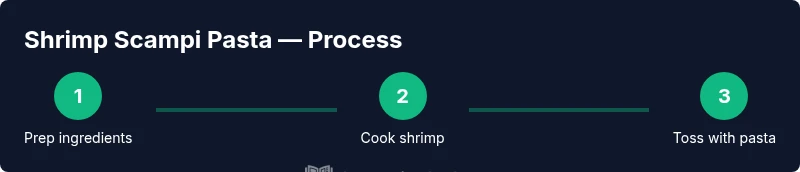
Organize your mise en place: mince garlic, zest lemon, chop parsley, and have all ingredients measured. Fill a large pot with water, salt generously, and bring to a rolling boil for the pasta. Have a wide skillet ready over medium-high heat for the shrimp and sauce. Keep a ladle or measuring cup handy for reserved pasta water. Having everything prepped reduces frantic moves and keeps the sauce smooth.
The Garlic-Lemon-Butter Sauce: How It Comes Together
In the skillet, melt butter with a drizzle of olive oil over medium heat. Add minced garlic and cook until fragrant, about 30-60 seconds, avoiding browning. Stir in lemon juice and zest, then simmer briefly. If using wine, add it now and reduce by half. The result is a glossy sauce that coats the pasta. Emulsify with a splash of the reserved pasta water to achieve a silky coating instead of a greasy layer. Taste and adjust acidity with more lemon if needed.
Cooking the Shrimp: Timing for Juicy Results
Pat shrimp dry, season lightly with salt, then add to the hot skillet in a single layer. Sear 1-2 minutes per side until pink and just opaque. Do not overcrowd the pan; work in batches if needed. Remove shrimp and set aside while you finish the sauce to avoid overcooking. The texture contrast between the tender shrimp and the glossy sauce is what makes this dish feel restaurant-worthy.
Bringing It All Together: Tossing with Pasta
Drain pasta when just shy of al dente; reserve some cooking water. Return the skillet to medium heat, add the sauce, and swirl to combine. Add pasta and the shrimp back to the pan, tossing to coat evenly. If the sauce seems too thick, splash in reserved water a little at a time until you reach a silky, clingy consistency. Finish with chopped parsley and a squeeze of lemon. Serve immediately for best texture.
Common Mistakes and How to Avoid Them
Overcooking shrimp results in a tough texture. Add shrimp late in the process and keep heat moderate. Sauce separation happens when the heat is too high or butter is too cold. Use gentle heat and emulsify with pasta water. Under-seasoning is common; taste and adjust salt at the end. Remember that salting the pasta water is essential; it flavors the pasta itself and reduces the amount of salt you need in the final sauce.
Variations and Upgrades
For different flavor profiles, add capers, cherry tomatoes, or a pinch of chili flakes. A handful of wilted spinach or sautéed mushrooms can increase depth without overpowering the garlic-lemon base. Pair with crusty bread to mop up the sauce, and consider a light dusting of Parmesan or a dairy-free alternative if you want a cheesy finish. Shrimp scampi pasta stacks well with a simple green salad for a complete weeknight dinner.
Tools & Materials
- Large pot (6-8 quart)(For boiling pasta with ample water)
- 12-inch skillet or wide sauté pan(For shrimp and sauce; ensure even heat)
- Colander(For draining pasta)
- Chef's knife(For mincing garlic and prepping shrimp)
- Measuring spoons and cups(For precise salt, wine, and lemon juice)
- Tongs(For tossing pasta and turning shrimp)
- Lemon zester (microplane)(Optional for bright zest)
- Paper towels(Helpful for drying shrimp and cleanup)
Steps
Estimated time: 20-30 minutes
- 1
Boil Pasta
Bring a large pot of salted water to a rolling boil. Add pasta and cook until just shy of al dente, as package instructions dictate. Reserve 1 cup of starchy pasta water before draining.
Tip: Salt water like the sea; it seasons the pasta and builds flavor in the final sauce. - 2
Prepare Shrimp
Peel and devein the shrimp; pat dry thoroughly with paper towels. Lightly season with salt and pepper to promote a good sear. Keeping them dry helps achieve a golden crust.
Tip: Avoid overcrowding the pan; cook in batches if needed to maintain high heat. - 3
Make Garlic-Lemon-Butter Sauce
In the same skillet, melt butter with a splash of olive oil over medium heat. Add minced garlic and cook until fragrant, 30-60 seconds. Stir in lemon juice and zest; add wine if using and reduce by half.
Tip: Keep the heat steady to prevent garlic from burning, which can bitter the sauce. - 4
Cook Shrimp
Add shrimp in a single layer; sear 1-2 minutes per side until pink and opaque. Remove and set aside to avoid overcooking while you finish the sauce.
Tip: If cooking in batches, keep finished shrimp warm loosely covered with foil. - 5
Combine with Sauce
Return the skillet to medium heat, add the shrimp back to the sauce and toss to coat. If the sauce thickens, splash in a little pasta water to loosen and emulsify.
Tip: Taste and adjust acidity with more lemon juice if needed. - 6
Toss with Pasta
Add the drained pasta to the skillet and toss to coat evenly. If the sauce is too thick, add more reserved water a little at a time until the coating is glossy and clingy.
Tip: Use tongs to lift and turn the pasta for even coating. - 7
Finish and Serve
Off the heat, finish with chopped parsley and a final crack of black pepper. Serve immediately with lemon wedges for extra brightness.
Tip: Let the dish rest for 1-2 minutes to settle the flavors before serving.
People Also Ask
Can I make shrimp scampi pasta dairy-free?
Yes. Use olive oil or a dairy-free butter substitute instead of butter, and skip parmesan. The sauce will be lighter but still flavorful with lemon and garlic.
Yes, you can make it dairy-free by using olive oil or dairy-free butter and skipping cheese.
What pasta shape works best for this dish?
Linguine, spaghetti, or fettuccine all work well because their flat surfaces hold the sauce effectively.
Linguine or spaghetti are great because they pick up the sauce nicely.
Is white wine essential in the recipe?
Wine adds brightness and helps with sauce emulsification, but you can substitute with extra broth or more lemon juice if you prefer.
You can skip wine if you prefer; just add a bit more broth and lemon.
How should I store leftovers?
Store leftovers in an airtight container for up to 1-2 days. Reheat gently over low heat with a splash of water to re-emulsify the sauce.
Keep leftovers in the fridge up to a couple days and reheat slowly.
Can I make this ahead of time?
Sauce can be prepared ahead of time and refrigerated, but pasta should be cooked fresh and tossed with the warm sauce just before serving for best texture.
You can prep the sauce ahead, but finish the dish with fresh pasta for best texture.
What adjustments if I’m reducing sodium?
Use low-sodium broth or none, salt sparingly, and rely on lemon juice and herbs to lift the flavor without excess salt.
If you need less salt, skip adding extra salt and balance with lemon and herbs.
Watch Video
Key Takeaways
- Prep ingredients before you start.
- Sear shrimp for color, then finish in sauce.
- Reserve pasta water to adjust sauce consistency.
- Toss pasta and shrimp quickly to coat evenly.
- Taste and adjust salt and lemon at the end.