Sugar Free Desserts: A Practical Guide for Home Cooks
Learn to craft delicious recipe sugar free desserts with natural sweeteners. This step-by-step guide covers ingredients, substitutions, baking tips, and storage for satisfying sugar-free treats.


Learn to bake tasty dessert recipes that are sugar-free by using trusted natural sweeteners, smart substitutions, and reliable baking steps. This concise guide gives you practical, repeatable methods to satisfy sweet cravings without added sugars.
Why sugar-free desserts fit a balanced lifestyle
For home cooks exploring the topic of recipe sugar free desserts, choosing desserts that remove or reduce added sugars can support a balanced lifestyle. Sugar-free doesn't have to mean bland. With the right substitutions, texture, moisture, and depth of flavor can be maintained while cutting added sugars. This section explains the rationale behind sugar-free dessert cooking and introduces common strategies used across recipes, from fruit-based components to dairy-forward bakes. The goal is to help you enjoy sweet treats with improved blood sugar awareness, without sacrificing satisfaction. We cover practical substitutions, safe handling of sugar alcohols, and how to tailor sweetness to individual preferences. The guidance here reflects Best Recipe Book's approach to practical, step-by-step recipe instruction and is intended for home cooks who want reliable, repeatable results in the kitchen. By focusing on ingredients, technique, and timing, you can create desserts that taste great and align with dietary goals for 2026.
Key ingredients and sugar substitutes
Choosing the right sugar substitutes starts with understanding how they interact with moisture, flavor, and texture. Common natural sweeteners include monk fruit sweetness blends, erythritol, allulose, and stevia. Each has pros and cons: monk fruit blends often taste closest to sugar with minimal aftertaste; erythritol provides bulk but can have a cooling sensation; allulose behaves like sugar in cookies and cakes with fewer calories; stevia is very potent, so it requires small amounts and often a blend. For 1 cup of sugar, start with 1 teaspoon of concentrated sweeteners or follow product-specific guidelines. To avoid undesirable notes, combine two different sweeteners (for example monk fruit with erythritol) and adjust based on tasting. In many recipes you can also reduce sweeteners by using naturally sweet ingredients like ripe bananas, dates, or dried fruit purees, which provide moisture and flavor without relying entirely on sugar substitutes. Best Recipe Book analysis shows that most sugar-free desserts rely on a blend of substitutes rather than a single sweetener.
Texture, sweetness, and balance: planning desserts
Texture and sweetness must be balanced to create satisfying sugar-free desserts. If you oversweeten, you mask subtle flavors; if under-sweetened, the result can taste flat. Plan for moisture (eggs, yogurt, banana), fat (butter, oil, cream cheese), and structure (flours or starch substitutes). When selecting a base—cake, cookies, pudding—choose a substitute strategy that preserves moisture and chewiness or creaminess. Consider fruit purées to add natural sweetness and moisture without relying entirely on sugar substitutes. This planning phase is essential for 2026's evolving dietary preferences, where taste should still lead. Best Recipe Book emphasizes testing small batches and adjusting sweeteners gradually to hit the target flavor profile without surprises.
Essential kitchen gear and pantry staples
Having the right tools makes sugar-free baking more predictable. Key items include a digital kitchen scale for precise measurements, a reliable mixer, mixing bowls, spatulas, parchment paper, and a reliable oven thermometer to ensure correct heat. Pantry staples should cover almond flour, coconut flour, sugar substitutes (monk fruit blends, erythritol, allulose), unsweetened cocoa, vanilla extract, baking powder, baking soda, fruit purées, yogurt, and butter or neutral oil. Keep a small set of silicone molds or muffin cups for portioned desserts. This setup helps you execute recipes with consistent texture and sweetness, minimizing guesswork.
Flavor ideas and example desserts you can start with
To get started, explore a handful of approachable sugar-free desserts that showcase different bases:
- Sugar-free vanilla almond cake or cupcakes using monk fruit blend and almond flour.
- Dark chocolate mug cake made with erythritol and cocoa powder for a quick treat.
- Citrus yogurt cheesecake with a touch of stevia and cream cheese to achieve a tangy, creamy texture.
- Banana-oat cookies sweetened with date puree and a modest amount of monk fruit.
- Berry yogurt parfaits layered with crushed nuts for a cooling, high-protein finish. These ideas illustrate how you can vary bases (cake, cookies, pudding) and sweeteners to keep sugar-free options exciting and flavorful while meeting different dietary goals. The key is balancing sweetness with moisture and texture while using natural substitutes that align with your taste preferences, all consistent with Best Recipe Book's approach to clear, actionable recipes.
Measuring, blending, and baking with substitutes
Measurement accuracy matters more when sugar is replaced with substitutes. Use a digital scale for dry ingredients and a liquid measuring cup for wet ingredients. When blending substitutes, start with smaller amounts and taste as you go, since sweeteners vary in strength. Be mindful of moisture balance: some flour substitutes require added liquid, others add moisture themselves. Mixing until just combined helps preserve tenderness and avoids dense textures. Bake times may shift slightly; use a toothpick test to confirm doneness rather than relying solely on time guidelines. This disciplined approach helps you achieve reliable results across different sugar-free recipes.
Storage, shelf life, and reheating
Sugar-free desserts often store well when sealed properly. Refrigerate perishable items like mousse or yogurt-based desserts for up to 3-5 days, and freeze cookies or cakes 1-3 months depending on ingredients. Label containers with the date to avoid mystery leftovers. Reheat gently to preserve texture: microwaving short bursts or using a low oven works well for dense items; fragile items like cookies stay crispest when reheated briefly. When serving at room temperature, allow a short rest to let flavors bloom. Following these storage rules helps maintain freshness and flavor across multiple servings.
Quick-start plan for your first sugar-free dessert
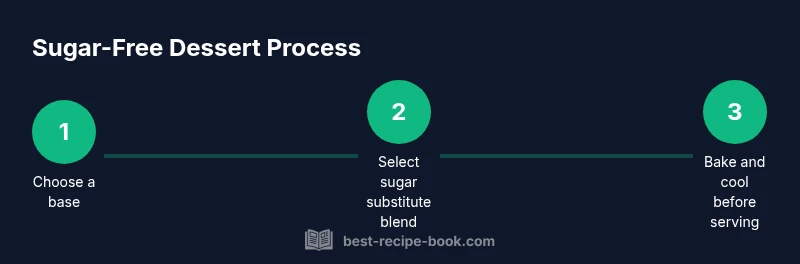
Begin with a simple base such as a sugar-free vanilla almond cake or a batch of cookies using almond flour and monk fruit blend. Collect measuring tools, select a blend of substitutes, and prepare a small test batch. Taste and adjust sweetness, moisture, and texture before scaling up. This practical approach aligns with Best Recipe Book's practical, step-by-step instruction style and ensures you can confidently bake sugar-free desserts that delight family and guests in 2026.
Tools & Materials
- Digital kitchen scale(Precise measurement of small amounts (10 g, 1/8 cup) for accuracy)
- Measuring cups and spoons(Essential for liquids and dry ingredients)
- Mixing bowls (various sizes)(For dry and wet mixes separately)
- Whisk and silicone spatula(For mixing and folding without damage)
- Electric mixer or handheld mixer(Creams and batters smoothly)
- Parchment paper or silicone baking mats(Prevent sticking and promote even baking)
- 8x8 inch or 9x13 inch bake pan(Choose size based on recipe)
- Oven thermometer(Ensure accurate baking temperature)
- Cooling rack(Cool baked desserts evenly)
- Food processor or blender(Useful for purees and smooth batters)
- Storage containers(For chilling and freezing leftovers)
Steps
Estimated time: 60-90 minutes
- 1
Preheat and prepare workspace
Preheat the oven to the recipe temperature and line pans with parchment. Gather all ingredients and tools, then measure out dry and wet components in separate bowls to streamline assembly.
Tip: Preheating keeps bake times consistent and prevents batter from seizing up during mixing. - 2
Choose base and sugar substitute blend
Decide on the base (cake, cookies, or pudding) and select a blend of sugar substitutes (e.g., monk fruit + erythritol). This approach helps control sweetness level and avoids aftertaste.
Tip: Avoid a single sweetener; blends balance flavor and mouthfeel. - 3
Measure accurately
Weigh dry ingredients for consistency and use a liquid measure for wet ingredients. Record any adjustments to maintain reproducibility in future bakes.
Tip: Even small deviations in flour or sweetener can noticeably affect texture. - 4
Mix dry ingredients
Whisk all dry ingredients together to ensure even distribution of baking powder, salt, and flavorings.
Tip: Sift if using coarser flours to prevent clumps and ensure smooth batter. - 5
Mix wet ingredients
Combine wet ingredients, including fat and any dairy, until uniform. Add any fruit purées or yogurt for moisture and tenderness.
Tip: Room-temperature wet ingredients mix more evenly than cold ones. - 6
Combine and bake
Fold wet and dry ingredients just until combined. Bake until a toothpick comes out with a few crumbs; avoid overmixing to keep a tender crumb.
Tip: Check a minute or two before the recipe time; oven hot spots can overcook edges quickly. - 7
Cool and finish
Allow baked goods to cool on a rack. Add sugar-free toppings or fillings if desired for extra flavor and moisture.
Tip: Cooling helps set texture; slicing while hot can crush delicate interiors. - 8
Store and portion
Portion desserts and store in airtight containers in the fridge or freezer as appropriate. Label dates to track freshness.
Tip: Freeze in individual portions for easy, quick desserts later.
People Also Ask
What are the best sugar substitutes for baking desserts?
Monk fruit, erythritol, and allulose are commonly used for baking sugar-free desserts. Use blends to balance aftertaste and sweetness; start with small amounts and adjust to taste.
Try monk fruit, erythritol, or allulose. Start small and adjust to taste.
Can I use regular flour in sugar-free desserts?
Yes, you can substitute almond or coconut flour, but moisture and structure change; you may need extra liquid or eggs.
Yes, but adapt quantities when using almond or coconut flour.
Are sugar-free desserts safe for diabetics?
Sugar-free desserts reduce added sugar but still contain carbohydrates; check total carbs and portion size; consult a clinician for personal advice.
Sugar-free can help reduce sugar intake, but carbohydrates still matter.
How do I prevent a sugar-free dessert from drying out?
Use fats, moisture-rich ingredients, and avoid excessive baking time. Consider adding yogurt, ricotta, or applesauce to retain moisture.
Add moisture and don’t overbake.
How should I store sugar-free desserts?
Store in airtight containers; refrigerate or freeze as needed; label with date.
Keep them in airtight containers in the fridge or freezer.
Are there kid-friendly sugar-free dessert ideas?
Yes, options like sugar-free brownies with almond flour, yogurt parfaits with berries, and fruit-based desserts work well.
There are kid-friendly sugar-free options with fruit or yogurt.
What tools help me bake sugar-free desserts more reliably?
A digital scale, proper measuring cups, and a temperature-controlled oven help ensure consistent results.
Use a scale and good equipment for consistency.
Watch Video
Key Takeaways
- Blend sweeteners for best flavor and texture.
- Measure precisely to ensure consistent results.
- Balance moisture, fat, and structure for tender desserts.
- Store properly to maintain freshness and flavor.