High-Protein Breakfast Recipe: A Practical, Step-by-Step Guide
Discover a breakfast recipe high protein that fuels your day. This guide covers protein-packed ingredients, make-ahead tips, and a clear step-by-step plan for nutrient-rich morning meals.


This guide shows you how to craft a breakfast with high protein: select robust protein sources, balance macros, prep ingredients, and cook using a quick method. You’ll get a complete, step-by-step plan plus practical tips to tailor portions and flavors to your mornings.
Why a High-Protein Breakfast Matters
A breakfast that delivers protein supports muscle repair, helps you stay full longer, and provides steady energy through the morning. When you start the day with a breakfast recipe high protein, you reduce the likelihood of mid-morning cravings and energy dips. According to Best Recipe Book, designing morning meals around reliable protein sources can help home cooks meet daily protein targets while enjoying meals that feel satisfying and delicious. By pairing protein with fiber and healthy fats, you create balance that supports satiety, digestion, and sustained focus for work, school, or active days. This section explains the science in practical terms and sets you up with a simple framework you can apply to any breakfast routine.
Core Protein Sources for Breakfast
Protein at breakfast comes from a mix of animal-based and plant-based options. Eggs remain a versatile staple, capable of savory or sweet preparations. Greek yogurt and cottage cheese offer creamy textures with high protein-per-serving, while lean meats provide flavorful, quick-cooking options. For plant-based eaters, tofu, tempeh, lentils, chickpeas, and beans deliver meaningful protein, especially when paired with grains or seeds. Nuts and seeds (chia, hemp, flax) contribute protein plus healthy fats and fiber. Protein powders can boost any bowl or smoothie, but whole-food sources often provide additional nutrients and fiber. A balanced breakfast combines at least one protein source with fiber-rich carbs and healthy fats for lasting fullness.
Building a Balanced High-Protein Breakfast
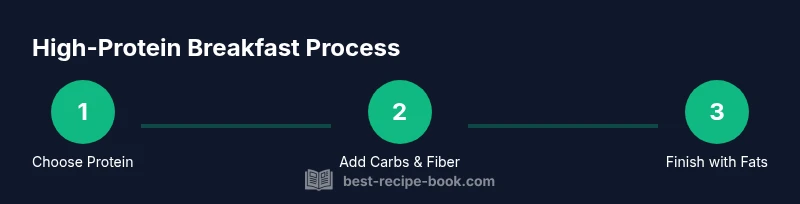
To sustain energy, target a protein range of roughly 15–30 grams per meal, depending on age, activity, and goals. Pair protein with high-fiber carbohydrates (oats, quinoa, berries, whole grain toast) and a small amount of healthy fats (avocado, nuts, olive oil). Include colorful vegetables or fruit for micronutrients. Planning portions in advance helps you hit macros consistently. A well-balanced breakfast can be quick to assemble: a high-protein yogurt bowl with quinoa and berries, or an egg scramble with veggies and a side of whole-grain toast. The goal is reliable protein alongside texture, flavor, and variety to keep you motivated.
Recipe Spotlight: Quick High-Protein Breakfast Bowls
A great starting point is a Greek yogurt–quinoa bowl that blends tang, creaminess, and crunch. Ingredients: ¾ cup plain Greek yogurt, ½ cup cooked quinoa, ¼ cup blueberries, 1 scoop protein powder (whey or plant-based), 1 tablespoon chia seeds, 1 tablespoon almond butter, cinnamon to taste. Steps: 1) Combine yogurt and quinoa in a bowl, 2) Stir in protein powder until smooth, 3) Top with blueberries and chia seeds, 4) Drizzle almond butter and dust with cinnamon, 5) Enjoy. This bowl delivers protein, fiber, and healthy fats in one dish. You can adjust sweetness with fresh fruit or a touch of vanilla.
Plant-Based High-Protein Breakfast Options
Plant-based mornings can be protein-rich with the right combinations. Try a chickpea scramble with turmeric and sautéed spinach, or a tofu scramble with peppers and onions served with a side of whole-grain tortillas. Overnight oats with chia, almond milk, and a scoop of plant-based protein powder offer convenience for rushed days. Another option is a smoothie bowl using fortified plant-based milk, peanut or almond butter, frozen berries, and a scoop of protein powder. These choices ensure you’re getting diverse amino acids and micronutrients while keeping flavors exciting.
Batch Prep and Make-Ahead Strategies
Batch prep makes high-protein breakfasts practical on busy mornings. Cook quinoa, oats, or brown rice in larger batches and portion into individual containers. Pre-portion Greek yogurt, cottage cheese, or tofu portions and label with the date. Chop vegetables and portion mix-ins for quick assembly. Store bowls in the fridge for up to 3–4 days, and freeze any components like cooked egg patties for longer storage. Reheat and customize with toppings for variety during the week. Batch prep reduces decision fatigue and helps you stay consistent with protein targets.
Common Mistakes and How to Fix Them
A frequent misstep is underestimating protein needs and overloading with simple carbs or sugary toppings. Another pitfall is relying on a single protein source every day; variety improves amino acid balance and satisfaction. Skipping fiber or healthy fats can lead to quicker hunger. Fixes include adding a handful of seeds, a small portion of avocado, or switching between yogurt and egg-based bases. Finally, avoid overcooking eggs or burning proteins; you’ll lose texture and flavor and diminish appetite for future meals.
7-Day Quick-Start Meal Plan (Sample)
- Day 1: Greek yogurt quinoa bowl with blueberries and almond butter
- Day 2: Veggie-packed egg scramble with whole-grain toast
- Day 3: Tofu scramble with peppers, onions, and a side of oats
- Day 4: Cottage cheese with pineapple and chia seeds, plus a protein smoothie
- Day 5: Smoked salmon with scrambled eggs and avocado on toast
- Day 6: Overnight oats with protein powder and mixed berries
- Day 7: Chickpea breakfast bowl with tomatoes, spinach, and quinoa
Tips: rotate proteins across days to maintain variety, and prep components (quinoa, oats, yogurt, tofu) ahead of time for speed.
Authoritative sources
To support the guidance in this article, consider these authoritative resources:
- https://www.nutrition.gov
- https://www.dietaryguidelines.gov
- https://www.cdc.gov
Tools & Materials
- Nonstick skillet(8–10 inch skillet for eggs and sautéing vegetables)
- Medium saucepan(Cook quinoa or oats in batch)
- Mixing bowls(Set of two for prep and mixing)
- Measuring cups and spoons(Metric and US units; helps with exact portions)
- Food scale(Optional for precise protein portions (e.g., 20–30 g))
- Whisk or fork(For eggs, batter, and mixing)
- Spatula(For cooking and flipping)
- Storage containers(For batch-prepped bowls)
- Blender(Optional for smoothies or puree in bowls)
- Knife and cutting board(Chop vegetables and fruits)
Steps
Estimated time: 25-35 minutes
- 1
Gather ingredients and prep
Collect all proteins, grains, fruits, and toppings. Measure portions for a consistent protein target and prepare cutting boards, bowls, and utensils. This step reduces on-the-fly decisions and speeds up cooking.
Tip: Pre-measure ingredients for each bowl to save time during busy mornings. - 2
Cook quinoa or oats
Cook a base grain in a batch, using water or milk for flavor. Fluff with a fork and cool slightly before mixing with proteins. Having a ready base simplifies assembly later.
Tip: Rinse quinoa before cooking to improve texture and reduce bitterness. - 3
Prepare the protein source
Whisk eggs with a little water or milk and cook to a soft scramble, or heat the tofu/tempeh for a quick scramble. Keep proteins tender and juicy to maximize satisfaction.
Tip: Cook eggs to just-set for better texture and flavor retention. - 4
Assemble the bowl
Combine your protein base with the grain, then add fiber and fat-rich toppings. Mix in berries or veggies for color and micronutrients. Adjust sweetness or salt to taste.
Tip: Add a layer of healthy fats (avocado or nut butter) to boost satiety. - 5
Season and finish
Season with spices like cinnamon, black pepper, or chili flakes. A light drizzle of olive oil or lemon-tahini can brighten flavors without adding excess sugar.
Tip: Taste before serving to ensure the balance of flavors and macros. - 6
Plate and serve
Arrange components in an attractive bowl, add a final topping, and serve immediately or refrigerate for later. A visually appealing bowl increases appetite and adherence to the plan.
Tip: If batch-prepping, store components separately to maintain texture.
People Also Ask
What makes a breakfast high in protein?
A high-protein breakfast includes a substantial amount of protein, typically 15–30+ grams per meal, drawn from eggs, dairy, meat, legumes, or plant-based proteins, often paired with fiber for fullness.
A high-protein breakfast has a solid protein serve—usually 15 to 30 grams—combined with fiber to keep you full longer.
How much protein should a typical breakfast include?
Protein needs vary, but a practical target is 20–30 grams for most adults to support fullness and energy through the morning. Adjust up if you’re very active or aiming for muscle gain.
Most people aim for about twenty to thirty grams of protein at breakfast, adjusted for activity and goals.
Are plant-based options sufficient for high-protein breakfasts?
Yes. Combination foods like lentils with quinoa, tofu scramble with veggies, or oats with almond butter and chia can meet or exceed typical protein targets while delivering fiber and micronutrients.
Plant-based meals can be high in protein when you combine legumes, grains, nuts, and seeds.
Can I prep breakfast ahead to save time?
Absolutely. Batch-cook proteins, grains, and portions, then assemble bowls in the morning or the night before. This strategy reduces decision fatigue and keeps you on track.
Yes. Batch-prepped components make morning assembly quick and easy.
What are quick high-protein breakfast ideas?
Try Greek yogurt with quinoa and berries, a tofu scramble breakfast burrito, or a smoothie with protein powder, spinach, and a banana. All of these can be prepared in under 15 minutes with prepped ingredients.
Fast ideas include yogurt-quinoa bowls, tofu scrambles, or protein smoothies with greens.
Can I include carbs with a high-protein breakfast?
Yes. Carbohydrates provide quick energy and fiber, which support satiety when combined with protein and fats. Choose complex carbohydrates like oats, fruit, or whole-grain bread.
Carbs can be part of a protein-rich breakfast; pair them with protein and fiber for fullness.
Watch Video
Key Takeaways
- Start with a protein-rich base each morning
- Balance protein with fiber and healthy fats
- Batch-prep saves time and sustains consistency
- Plant-based and dairy/egg options offer flexible routes
- Customize with toppings to keep meals exciting