Protein-Packed Smoothie Recipe: A Step-by-Step Guide
Learn to craft a protein-packed smoothie with a clear, step-by-step approach. Discover ingredients, substitutions, and texture tweaks for a creamy, balanced shake.


By following this guide, you’ll create a smoothie recipe with protein that fuels busy mornings, supports workout recovery, and tastes great. You’ll learn essential ingredients, recommended protein options, and practical proportions to blend a creamy, crave-worthy shake. This step-by-step approach helps you customize texture and flavor while keeping nutrition simple and accessible for everyday cooking.
Why a smoothie recipe with protein matters for busy mornings
According to Best Recipe Book, a well-balanced smoothie with protein can promote satiety, steady energy, and better post-workout recovery throughout a hectic day. The Best Recipe Book Editorial Team emphasizes that small, protein-rich shakes can replace less satisfying breakfasts, especially when time is limited. In practice, a protein-forward smoothie sets you up for stable blood sugar and fewer mid-morning snack crashes. This is not about blindly chasing a protein target; it’s about pairing protein with fiber, healthy fats, and hydrating liquids to create a satisfying, nourishing start. You’ll see how versatile ingredients, from dairy and plant milks to yogurt, can influence texture and flavor while keeping the recipe friendly for everyday cooking. This section lays the groundwork for practical, delicious results you can customize for taste and dietary needs.
Core ingredients for a balanced protein smoothie
A balanced smoothie with protein combines a protein source, a fruit or vegetable base, a liquid, and optional fats or greens. Start with a protein option that fits your dietary preferences—whey, soy, pea, or dairy-free blends all work well when paired with complementary flavors. For the base, bananas and berries offer natural sweetness and fiber, while leafy greens provide micronutrients with minimal impact on flavor when blended well. Choose a liquid that matches your texture goal, such as milk for creaminess or water for a lighter, more drinkable shake. A tablespoon of nut butter or seeds adds satiety and healthy fats, while ice or frozen fruit helps achieve a thick, spoonable texture. Finally, consider extra boosts like cinnamon, vanilla, or cocoa for flavor complexity without adding sugar.
Protein options and nutrition focus
Protein is the anchor of a smoothie that truly satisfies. Plant-based options (pea, hemp, or soy) provide complete or near-complete amino acid profiles, while dairy-based proteins (whey or casein) deliver quick and sustained protein. If you’re aiming for a lighter shake, a half-serving of protein powder combined with yogurt can still deliver noticeable protein content. When choosing protein, check for minimal additives and sugar. Pair protein with fiber-rich ingredients such as oats or chia seeds to improve fullness and digestion. If you’re avoiding dairy, select unsweetened plant milks and a dairy-free protein powder to maintain flavor balance. Balance protein with produce and healthy fats to create a beverage that supports muscle repair and everyday energy.
Texture and flavor: optimizing every sip
Texture is the unsung hero of a great smoothie. Start with a thicker base by using frozen fruit and a smaller amount of liquid, then gradually add more liquid to reach the desired consistency. Blending order matters: liquids and greens first, then powders, followed by fruit and ice. If you want extra creaminess, add a small scoop of yogurt or a splash of avocado; for flavor variety, experiment with vanilla extract, cocoa powder, cinnamon, or a pinch of salt. For flavor balance, taste as you go and adjust sweetness with a frozen banana or a small amount of dates rather than refined sugar. Chill the smoothie for a few minutes before serving to enhance texture and drinkability.
Step-by-step foundations: building your smoothie
This section guides you through a practical routine that you can repeat, tweak, and save as a personal version. Start by assembling your ingredients and measuring portions: protein powder (1 scoop), frozen fruit (1–1.5 cups), greens (optional), your preferred milk or water (3/4–1.25 cups), and any add-ins (1 tablespoon nut butter, 1 teaspoon flaxseed, etc.). Blend in stages to avoid air pockets and ensure a smooth texture. If the mixture is too thick, add more liquid a small amount at a time; if too thin, add more frozen fruit. Finally, assess the taste and adjust sweetness with natural enhancers like a date or banana. This method keeps prep simple while allowing endless customization.
Customization ideas and flavor variations
Variety keeps smoothies interesting. Try swapping protein powder flavors—vanilla, chocolate, or berry—with different fruit combinations such as banana-strawberry, mango-peach, or blueberry-spinach. Experiment with add-ins like oats for thicker texture, chia seeds for texture and omega-3s, or nut butters for richness. For a tropical twist, use coconut milk and pineapple; for a green kick, blend spinach with frozen mango and avocado. If you’re dairy-free, rely on almond or oat milk and plant-based proteins. Always adjust thickness with the ratio of liquid to frozen fruit to maintain a scoopable consistency.
Common mistakes and troubleshooting
Over-blending can create heat and a foamy texture that’s unpleasant to drink. Use a pulse-blend to break ingredients gradually and then run on high for a short burst. Skipping the right balance of protein and fiber leaves smoothies feeling thin and unsatisfying; incorporate a fiber source like oats, chia, or ground flax. Too much sugar from fruit can cause energy crashes; pair sweet fruits with protein and healthy fats to stabilize energy. If flavors clash, start with a neutral base (banana + vanilla protein) and gradually introduce bold accents (cocoa, cinnamon, or espresso powder) to find a harmonious balance. This approach helps you refine a signature blend that’s tailored to your palate and goals.
Authoritative sources and further reading
- FDA: Protein and nutrient guidelines for dietary supplements and foods: https://www.fda.gov
- NIH: Protein and amino acids overview, medlineplus: https://medlineplus.gov
- USDA: MyPlate and nutrition fundamentals: https://www.usda.gov
Tools & Materials
- Blender or immersion blender(500–700 ml capacity; ensure blades are clean and sharp)
- Protein powder (whey, plant-based, or casein)(1 scoop ~20–30 g; choose unsweetened if possible)
- Liquid base (milk, plant milk, or water)(1–1.5 cups total, adjust for thickness)
- Frozen fruit or fresh fruit(1–2 cups frozen yields creamier texture)
- Greens (optional)(1 cup spinach or kale)
- Nut butter or seeds (optional)(1 tbsp for healthy fats and creaminess)
- Ice cubes (optional)(2–4 cubes for extra chill)
- Measuring cups/spoons(Accurate portions help with consistency)
Steps
Estimated time: 8-12 minutes
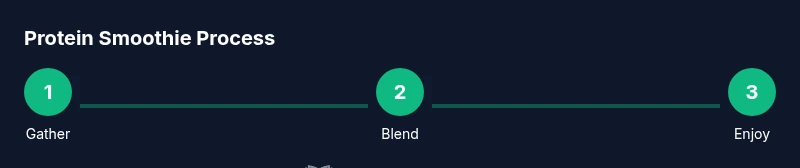
- 1
Gather ingredients
Collect all ingredients and measure them before blending to prevent mid-blend adjustments. This saves time and helps you maintain consistent texture.
Tip: Pre-measuring ensures you don’t add too much of any one ingredient. - 2
Add liquids and greens first
Pour liquids into the blender, then add greens if using. This helps the blades start rotating smoothly and reduces strain on the motor.
Tip: Liquid-first blending reduces air pockets and improves texture. - 3
Add protein powder and fats
Add the protein powder and any nut butter or seeds to the base. This ensures the protein is well incorporated for a creamy mouthfeel.
Tip: If clumping occurs, use a little extra liquid and blend briefly before adding ice. - 4
Incorporate fruit and ice
Add frozen fruit and ice to create a thick, scoopable texture. Frozen fruit improves creaminess compared to fresh fruit alone.
Tip: Start with less ice and add more if needed after an initial blend. - 5
Blend until smooth
Run the blender on a low setting first, then switch to high. Stop when the mixture looks uniform and creamy with no chunks.
Tip: Pause to scrape down sides if ingredients stick. - 6
Taste and adjust
Taste the smoothie and adjust as needed with a touch more fruit, vanilla, or a pinch of salt for balance.
Tip: Add a natural sweetener sparingly to avoid masking protein flavor. - 7
Serve immediately or store
Offer the smoothie right away for best texture. If saving, refrigerate up to 24 hours and shake or re-blend before drinking.
Tip: Store in a sealed bottle to minimize separation. - 8
Clean up and prep leftovers
Rinse the blender promptly to prevent residue from drying. Store any unused ingredients properly for next batch.
Tip: A quick rinse saves time and keeps gear ready for the next smoothie.
People Also Ask
What is the best protein powder for smoothies?
The best choice depends on dietary needs. Whey is fast-digesting and high quality, but plant-based options like pea or soy are great for vegetarians and those avoiding dairy. Look for minimal added sugars and a clean ingredient list.
Whey is common for quick protein, but plant-based powders are great if you avoid dairy; choose one with simple ingredients.
Can I make a protein smoothie ahead of time?
Yes, you can prepare ingredients in advance and blend just before drinking. For best texture, store the liquid and solids separately and combine when ready. If storing blended smoothies, refrigerate and consume within 24 hours.
Yes, you can prep ahead; keep liquid and solids separate and blend just before you drink.
How many calories are in a protein smoothie?
Calorie content varies widely based on ingredients. Use a nutrition calculator or label information to estimate based on your specific portions.
Calories depend on what you include; check labels or use a calculator for your exact portions.
Can I use yogurt instead of protein powder?
Yes, yogurt adds protein and creaminess. Choose unsweetened varieties to control sugar and pair with your preferred fruit and milk. You may need to adjust thickness with extra liquid or ice.
Sure—yogurt works, just mind the sugar and adjust texture with liquid or ice.
What blends best with a protein smoothie?
Banana, berries, spinach or kale, and a tablespoon of nut butter are classic partners. Add spices like cinnamon or vanilla for depth without adding sugar.
Banana and berries with greens and a bit of nut butter usually taste great.
Watch Video
Key Takeaways
- Choose a protein source that fits your needs
- Balance protein with fiber and healthy fats
- Adjust texture by altering liquids or ice
- Experiment with flavors to keep smoothies enjoyable