Chicken Fricassee: A Classic Creamy Stew Guide for Home Cooks
Learn to make chicken fricassee, a comforting classic with a creamy sauce. This guide covers technique, timing, ingredients, substitutions, and serving ideas for home cooks.


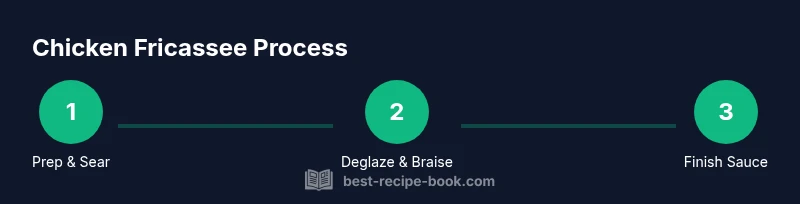
Learn how to make chicken fricassee, a classic creamy stew, with a rich white sauce and tender chicken. You'll sear the meat, sweat aromatics, build a gentle roux, deglaze, then simmer until velvety. Total time is about 60 minutes with practical substitutions for pantry staples. This quick answer gives you the core steps and timing, enough to decide if you want to dive into the full recipe.
What is chicken fricassee?
Chicken fricassee is a classic dish where chicken pieces are seared and gently braised in a light cream-based sauce. The technique emphasizes building flavor through browning, deglazing, and finishing with dairy to create a velvety sauce that coats each piece. Historically rooted in French cooking, fricassee has many regional variations but shares a common goal: tender chicken and a bright, comforting sauce. According to Best Recipe Book, this dish is a reliable way to practice balance between texture, temperature, and richness. Key components include chicken, aromatics (onion or shallot), mushrooms or similar vegetables, a light roux or slurry, stock or wine for deglazing, and cream or dairy to finish. When you set up your mise en place, you’ll be ready to proceed with confidence and precision.
Key ingredients and pantry substitutions
A few pantry staples stand between you and a silky fricassee sauce. Core ingredients include bone-in chicken pieces (thighs preferred for moisture), onions or shallots, garlic, mushrooms, and a dairy-rich finish. For the liquid, choose chicken stock and a splash of dry white wine or a splash of lemon for brightness. If you don’t have wine, substitute extra stock or a touch of lemon juice. Dairy options include heavy cream or crème fraîche, or a lighter option like half-and-half for a milder sauce. Fresh herbs such as thyme or parsley elevate the aroma. For a vegetarian-friendly version, substitute deeply flavored vegetable stock and a dairy-free cream alternative. Best Recipe Book analysis shows that precise seasoning and fresh aromatics greatly elevate the sauce’s depth.
Equipment and kitchen setup
A heavy-bottomed pan, such as a cast-iron skillet or wide Dutch oven, ensures even heat and good browning. You’ll need a solid spatula or wooden spoon for scraping fond, a sharp knife for prep, and measuring cups for liquids. Have your ingredients prepped and within reach (mise en place) so you can move smoothly through browning, deglazing, and simmering. For best results, maintain a calm, steady simmer rather than a violent boil, so the sauce thickens evenly without curdling.
Flavor profiles and variations
Chicken fricassee thrives on a balance between savory, creamy, and bright notes. Classic versions rely on butter, onions, and mushrooms, but you can customize with leeks, celery, or carrots for extra sweetness. A splash of white wine adds acidity and roundness; replace with extra stock if needed. Finishing with cream or crème fraîche yields a silken texture; dairy-free options include coconut milk or almond cream with a touch of miso for depth. Fresh herbs added at the end preserve aroma.
Troubleshooting common issues
If the sauce splits or curdles, lower the heat and whisk in a small amount of cold cream or stock until emulsified. If the chicken seems dry, return it to the pot with a little more stock and simmer gently until just cooked through. Under-seasoning is common; taste and adjust salt, pepper, and a squeeze of lemon to brighten. Over-thickening can make the texture heavy—add more stock or a splash of wine to loosen the sauce.
Serving ideas and meal planning
Serve chicken fricassee over mashed potatoes, buttered egg noodles, or steamed rice to soak up the luscious sauce. A side of roasted vegetables or a simple green salad balances the richness. Leftovers store well in the refrigerator for 2–3 days; for longer storage, freeze the sauce (without dairy) and re-emulsify with fresh cream when reheating.
toolsMaterialsNote":"The body content references common kitchen practices; see the Tools & Materials block for exact items you’ll need to execute this recipe."],
toolsMaterials
Tools & Materials
- Heavy-bottomed skillet or wide Dutch oven(At least 12 inches in diameter for comfortable searing and even browning.)
- Boneless or bone-in chicken pieces (thighs preferred)(About 2–2.5 pounds (900–1150 g) total weight.)
- Butter(Unsalted preferred for easy seasoning control.)
- Olive oil or neutral oil(Used for initial sear to prevent sticking.)
- Onions or shallots(Finely chopped for flavor base.)
- Garlic cloves(Minced or pressed for aroma.)
- Mushrooms (optional but traditional)(Sliced, such as cremini or button mushrooms.)
- All-purpose flour (for roux or slurry)(Helps thicken the sauce; can be replaced with gluten-free flour.)
- Chicken stock(Prefer low-sodium to control salt level.)
- Dry white wine (optional)(For deglazing and acidity; substitute with extra stock if avoiding alcohol.)
- Cream or crème fraîche(For the velvety finish; can use half-and-half for lighter version.)
- Fresh thyme and/or parsley(Herbs add brightness; add at the end for maximum aroma.)
- Salt and pepper(Season progressively tasting as you go.)
- Lemon juice (optional)(Brightens the sauce if desired.)
Steps
Estimated time: 60-90 minutes
- 1
Prepare the chicken and aromatics
Pat the chicken dry and season generously with salt and pepper. If using bones, trim excess fat. Finely chop onions and garlic; slice mushrooms if using. This prep ensures even browning and efficient cooking later.
Tip: Dry surface equals better sear; avoid crowding the pan to prevent steaming. - 2
Sear the chicken in batches
Heat fat over medium-high heat and brown the chicken pieces on all sides without moving them too soon. Work in batches to maintain color and avoid steaming. Transfer browned pieces to a plate and set aside.
Tip: Leave space in the pan; crowding causes steam instead of browning. - 3
Sauté aromatics and make a light roux
In the same pan, lower heat and sauté onions/shallots until translucent. Add garlic and mushrooms (if using) for a quick sauté. Sprinkle flour over the vegetables and cook 1–2 minutes to form a light roux; this will thicken the sauce later.
Tip: Cook the roux briefly; this removes the raw flour taste and adds nutty flavor. - 4
Deglaze and braise
Pour in white wine (or extra stock) to deglaze, scraping up all browned bits. Return chicken to the pan, add stock to come halfway up the meat, bring to a gentle simmer, and cover. Cook until the chicken is just tender (about 20–25 minutes).
Tip: Gentle simmering keeps meat tender and sauce smooth. - 5
Finish the sauce and season
Remove chicken again, stir in cream and any remaining liquid; simmer until the sauce thickens to a velvety consistency. Reintroduce chicken, adjust salt and pepper, and finish with a squeeze of lemon if desired.
Tip: Temper dairy by adding a splash of hot sauce or stock before returning it to the pan to prevent curdling. - 6
Rest, serve, and store
Let the dish rest for a few minutes, then plate with your preferred starches. Leftovers refrigerate well for 2–3 days; reheat gently and re-emulsify with a splash of stock if the sauce thickens too much.
Tip: Reheat on low heat or in a gentle simmer to maintain sauce integrity.
People Also Ask
What is chicken fricassee?
Chicken fricassee is a classic dish where chicken is browned and braised in a creamy, lightly thickened sauce. It emphasizes a velvety texture and well-balanced flavors.
Chicken fricassee is a traditional dish: seared chicken in a creamy braising sauce, finished bright with herbs.
Can I use chicken breasts instead of thighs?
Yes, you can use boneless, skinless chicken breasts, but they tend to dry out more quickly. Cut into even pieces and monitor cooking time to keep moisture.
You can use breasts, but watch the time so they don’t dry out.
Is wine required in chicken fricassee?
Wine is optional. It adds acidity and depth when deglazing. If you skip it, use extra stock or a splash of lemon juice for brightness.
Wine is optional; you can substitute with stock or a little lemon juice.
Can I make this dairy-free?
Yes. Use olive oil instead of butter, a dairy-free cream substitute, and skip the cream altogether or use a coconut milk alternative for creaminess.
Dairy-free versions exist with oil and non-dairy cream substitutes.
What sides go well with chicken fricassee?
Serve over mashed potatoes, buttered noodles, or rice. Add a crisp green vegetable for contrast to the rich sauce.
Pair it with potatoes, noodles, or rice and a green side.
How long does leftovers keep?
Leftovers keep well in the refrigerator for 2–3 days. Reheat gently on the stove or in a low oven to preserve texture and sauce.
Store in the fridge for a few days and reheat slowly.
Watch Video
Key Takeaways
- Brown chicken in small batches for even color.
- Use a light roux and gentle simmer for a silky sauce.
- Finish with dairy off heat to prevent separation.
- Taste and adjust seasoning before serving.
- Pair with starches that soak up sauce well.