Chicken Stew Recipe: A Step-by-Step Guide for Home Cooks
Master a comforting chicken stew with a silky broth, tender meat, and vegetables. This step-by-step guide covers browning, simmering, substitutions, and serving ideas for weeknight meals.


In this guide you will learn how to make a deeply flavorful chicken stew with a silky broth, tender chicken, and vegetables. You will need common pantry ingredients, a heavy pot, and about 60-90 minutes. This step-by-step method covers browning, deglazing, simmering, and thickening for a classic, comforting result. Perfect for weeknight dinners and leftovers.
Why Chicken Stew Is Comforting and Versatile
Chicken stew is more than a one-pot meal; it's a warm, nourishing ritual that turns humble ingredients into something deeply satisfying. The dish delivers protein, vegetables, and starch in a single, ladle-friendly bowl, making weeknight dinners easier and leftovers welcome. According to Best Recipe Book, the secret to a memorable chicken stew lies in three core elements: a flavorful base, a steady simmer, and a brothy, not too thick sauce that clings to meat and vegetables. When you sauté aromatics, you release sweet onions and garlic, which form the backbone of the flavor. Deglazing lifts browned bits from the bottom of the pot, capturing their concentrated flavors in the broth. A gentle simmer coaxes the chicken to tender, juicy perfection while the vegetables retain their shape and color. With the flexibility to adapt thickness and spice level, chicken stew can lean fragrant and bright or rich and hearty, depending on the cook's mood or pantry.
Key Techniques for a Rich, Silky Broth
Building a rich broth starts with a solid flavor foundation. Begin by heating a bit of oil until shimmering, then add onions, carrots, and celery to create a flavorful soffritto. Allow them to soften slowly, releasing natural sugars that deepen the base. Add garlic toward the end to prevent scorching. Browning the chicken in batches creates Maillard-driven depth that translates into a richer stock when deglazing with wine or broth. Scrape up every browned fragment from the bottom of the pot; those caramelized bits contain concentrated flavor. Return the browned chicken to the pot, pour in stock, and let the mixture simmer gently. Skim off any impurities to keep the broth clear, and season gradually so the flavors balance without becoming harsh. A gentle simmer preserves tenderness; a rapid boil risks tough meat and a gritty texture.
Ingredient Checklist and Substitutions
Core ingredients include chicken thighs (bone-in or boneless), olive oil, onions, carrots, celery, garlic, potatoes or parsnips, chicken stock or broth, and a few aromatics like bay leaves and thyme. For a lighter version, you can swap cream for a dairy-free option such as coconut milk. If you don’t have potatoes, parsnips or pearl onions work beautifully as starch substitutes. For a gluten-free version, thicken with a cornstarch slurry instead of flour. If you prefer a brighter profile, add a splash of lemon juice at the end. Always taste and adjust salt gradually; stews can rely on long simmering to concentrate flavors, so salting in stages helps maintain balance.
Choosing the Right Chicken: Thighs vs Breasts
Thighs are widely regarded as the best choice for stews because their dark meat stays tender during long cooking and adds a richer flavor. Bone-in thighs contribute even more depth, and their bones release collagen that thickens the sauce naturally. Boneless, skinless thighs cook quickly and remain moist, but they can lose some firmness if cooked too long. Breast meat is leaner and can become dry if overcooked, so if you insist on using breasts, add them toward the end of cooking and monitor closely. For best results, use a combination: thighs for flavor and breasts for lean portions, ensuring the stew remains juicy and satisfying.
Step-By-Step Overview: From Sauté to Simmer
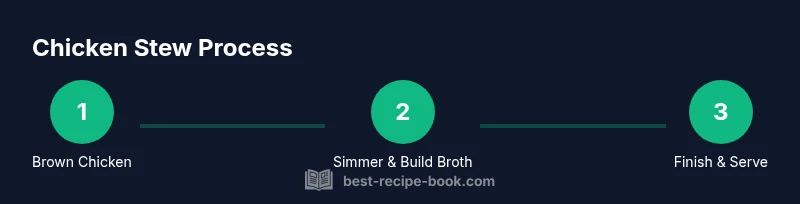
This section provides a practical map for cooking the stew on a busy weeknight. Start with mise en place: chop vegetables, measure spices, and set out the chicken. Brown the meat to build flavor, then sauté aromatics to develop sweetness. Deglaze to capture the browned fond, then add stock and aromatics. Bring to a gentle simmer, add potatoes or root vegetables, and cook until everything is tender. Finish with herbs, adjust seasoning, and let the stew rest briefly before serving. The sequence ensures a robust, well-balanced dish with a velvety sauce that clings to every component.
Thickening and Seasoning: Balancing Flavor
This is where texture and balance come together. If you prefer a thicker, almost creamy sauce, reduce the liquid slightly or whisk in a cornstarch slurry near the end of cooking. For a richer mouthfeel, a small amount of cream or coconut milk can be stirred in after simmering, but add gradually to avoid separation. To brighten the dish, finish with a squeeze of lemon juice or a handful of chopped parsley. Taste at the end and correct salt, pepper, and acidity. Remember that simmering concentrates flavors, so it’s better to under-season slightly and adjust at the end than to oversalt from the start.
Variations: Creamy, Tomato-Based, and Gluten-Free Options
Creamy versions incorporate a splash of cream or coconut milk, which mellow the spices and yield a smooth, restaurant-like finish. Tomato-based stews lean on crushed tomatoes or tomato paste to add tang and body; adjust sugar with a touch of carrot for natural sweetness. For gluten-free diners, skip flour thickeners and lean on a cornstarch slurry or reduce the broth until the sauce coats the back of a spoon. To keep the stew dairy-free, use olive oil for browning and finish with a splash of citrus instead of dairy.
Time Management: Stove Top, Dutch Oven, or Slow Cooker
On the stovetop in a heavy pot, plan for about 60–80 minutes from start to finish, depending on cut size and depth of flavor you want. A Dutch oven mirrors the stovetop method but retains heat more evenly, which helps during browning and simmering. Slow cookers offer convenience and yield incredibly tender meat; cook on low for 6–8 hours or on high for 3–4 hours, adding quicker-cooking vegetables in the last hour. If you’re pressed for time, shorten simmering by cutting vegetables into smaller chunks; the stew will still develop depth, just quicker.
Serving Suggestions and Classic Pairings
Serve chicken stew over warm rice, mashed potatoes, or crusty bread to soak up the flavorful sauce. A bright green salad or steamed greens balances the richness, while a light yogurt or sour cream dollop can cool the palate if the stew is spicy. Garnish with chopped parsley, lemon zest, or a drizzle of good olive oil for a fresh finish. Leftovers typically taste even better the next day as flavors continue to meld; store in airtight containers in the refrigerator for up to 3 days or freeze for longer. When reheating, add a splash of stock or water to restore the sauce.
Common Mistakes and How to Fix Them
Common issues include under-seasoning, overly thick or thin broth, and overcooked vegetables. To fix these, taste and adjust salt and acid at key moments, thin a too-thick sauce with stock, and remove the lid toward the end to reduce excess moisture. If the meat seems dry, check moisture levels and consider a longer simmer with a lid on to retain moisture. Ensure browning is complete; the fond on the pot is flavor gold, and skipping it will weaken the stew’s depth. Finally, don’t rush the simmer—patience yields tenderness and complexity.
Storage, Reheating, and Meal Prep Tips
Store leftovers in shallow containers to cool quickly and reheat gently on low heat, stirring often to avoid scorching. For best texture, remove excess potatoes before refrigerating, as they absorb liquid over time. Reheat on the stove or in the microwave with a splash of stock to loosen the sauce. This dish is excellent for meal prep because it freezes well; freeze in individual portions and thaw overnight in the fridge before reheating. Label containers with the date to track freshness and plan to consume within 3 months for optimal quality.
Tools & Materials
- Dutch oven or heavy-bottomed pot (5+ quarts)(Even heat distribution; prefer with a tight-fitting lid)
- Chef's knife(Sharp; used to chop vegetables and trim chicken)
- Cutting board(Stable surface; prevent cross-contamination)
- Wooden spoon or silicone spatula(For stirring without scraping the pot)
- Measuring cups and spoons(Precise seasoning and liquid measurements)
- Tongs(Turn and transfer pieces without breaking the meat)
- Ladle(For serving and checking broth consistency)
- Soup spoon(Optional; for tasting and service)
- Timer(Keep track of simmering and resting times)
- Meat thermometer(Optional; verify internal temperature if desired)
Steps
Estimated time: 1 hour 20 minutes
- 1
Prepare the ingredients
Chop onions, carrots, celery, and potatoes (or parsnips). Cut chicken into bite-sized pieces and pat dry to encourage browning. Measure spices and stock before you start to keep the workflow smooth.
Tip: Mise en place now prevents mid-cook scrambles and keeps you organized. - 2
Brown the chicken
Season the chicken lightly and sear in batches until deeply browned on all sides. Don’t overcrowd the pan; browning develops flavor and helps create a rich fond.
Tip: Pat the pieces dry before searing to maximize browning; moisture lowers the crust formation. - 3
Sauté aromatics
In the same pot, reduce heat a touch and cook onions, carrots, and celery until they soften and turn translucent. Add garlic near the end to avoid scorching.
Tip: Soft aromatics release sweetness that balances the savory notes. - 4
Deglaze the pot
Pour in a splash of stock or wine and scrape up the browned bits from the bottom. Those fond bits are flavor gold and enrich the broth.
Tip: Scrape steadily to lift every caramelized bit into the liquid. - 5
Add stock and herbs
Return the chicken to the pot, add potatoes, bay leaves, and thyme. Pour in enough stock to cover the vegetables and meat by about an inch.
Tip: Keep the liquid level modest to avoid a broth that’s too watery. - 6
Simmer gently
Bring to a gentle simmer, then cover partially. Cook until the chicken is tender and the starches are soft but not mushy.
Tip: Vent the lid slightly to prevent excess moisture if you want a thicker sauce. - 7
Adjust thickness
If the sauce is too thin, simmer uncovered to reduce; for a quicker fix, whisk a cornstarch slurry into the simmering liquid.
Tip: Stir constantly when adding slurry to avoid lumps. - 8
Finish and season
Taste and adjust salt, pepper, and acidity. Finish with lemon juice or fresh herbs for brightness.
Tip: A touch of acid near the end brightens the entire dish. - 9
Rest and serve
Let the stew rest for 5–10 minutes off the heat to meld flavors. Serve hot with your preferred starch and garnish.
Tip: Resting helps the sauce settle and flavors unify.
People Also Ask
What cut of chicken is best for chicken stew?
Bone-in, skinless chicken thighs are ideal for stews because they stay moist and flavorful during long simmering. The marrow and connective tissue add richness to the sauce. You can mix in boneless thighs or breasts if you prefer, but expect slightly different texture and moisture levels.
Bone-in chicken thighs are best for flavor and tenderness. You can mix in boneless thighs, but watch moisture and texture closely.
Can I use chicken breasts in this stew?
Yes, you can use chicken breasts, but they can dry out if overcooked. If using breasts, cut into larger pieces and add toward the end of cooking to preserve moisture and ensure tenderness.
Yes, you can use breasts, but add them later and monitor doneness to avoid dryness.
Can I freeze chicken stew?
Chicken stew freezes well. Cool completely, portion into airtight containers, and freeze for up to 3 months. Thaw overnight in the fridge before reheating on the stove, adding a splash of stock if needed.
Yes, you can freeze it. Thaw in the fridge overnight and reheat gently with a little extra stock.
How can I thicken the sauce without flour?
Use a cornstarch slurry or reduce the sauce by simmering uncovered. Both methods reduce liquid and increase body without altering flavor significantly.
Thicken with cornstarch slurry or by simmering to reduce the liquid until it coats the spoon.
What sides go well with chicken stew?
Crusty bread, mashed potatoes, or fluffy rice pair beautifully with chicken stew. A side of greens or a simple salad provides contrast, while a dollop of yogurt or sour cream can add a cool balance if the stew is rich.
Serve with crusty bread, mashed potatoes, or rice, plus a bright greens side to cut richness.
Watch Video
Key Takeaways
- Brown chicken in batches for depth.
- Deglaze to capture fond into the broth.
- Simmer gently to keep meat tender.
- Adjust thickness with reduction or slurry.
- Finish with brightness to balance richness.