Chicken Tikka Masala Recipe: Step-by-Step Guide
Master restaurant-style chicken tikka masala at home with a clear, step-by-step method. Learn marination, sauce balance, and finishing techniques for creamy, flavorful results in your own kitchen.


Learn to make restaurant-quality chicken tikka masala at home with a clear, step-by-step method. This guide covers marination, sauce balance, and simmering to tender perfection, using pantry-friendly spices and accessible equipment. According to Best Recipe Book, following these steps yields reliable flavor and creamy texture for home cooks seeking confidence in the kitchen.
Overview, heritage, and what you’ll achieve
Chicken tikka masala is a beloved dish with roots in South Asian flavors adapted for Western palates. This recipe aims to reproduce that creamy, tomato-forward sauce with tender pieces of marinated chicken. You’ll learn how to balance acidity, sweetness, and spice, achieving a glossy sauce that clings to the meat. As highlighted in Best Recipe Book analysis, a thoughtful sequence—marination, spice bloom, and careful simmer—produces depth of flavor that stands up to dining-room standards while remaining accessible to home cooks. Expect to finish with light garnish, a squeeze of lemon, and your preferred sides. By the end, you’ll have a flexible framework you can adapt for heat preferences, dairy choices, and meal planning.
Key goal: a harmonious sauce with a tender chicken bite, served over rice or with naan, ready for weeknight dinners or weekend guests.
Ingredient fundamentals and substitutions
The backbone of this dish rests on a few dependable ingredients: yogurt for marination, a blend of ground spices (garam masala, turmeric, cumin, coriander, paprika), tomato base, and cream to create that luxurious coating. If you don’t have fresh cream, you can substitute with coconut milk for dairy-free versions, though the sauce will read slightly differently. For protein choices, chicken thighs stay juicier than breasts, but breasts work well with careful timing. Fresh aromatics (garlic, ginger, onions) drive aroma, while kasuri methi (dried fenugreek leaves) adds a signature finish. When shopping, prioritize whole spices if you have a grinder; freshly ground spices yield brighter flavor. Best Recipe Book highlights that quality ingredients yield the best results, even with a simple technique.
Nx tips: Salt accuracy matters—season in stages to avoid oversalting as the sauce reduces. If you’re short on time, you can skip overnight marination, but an hour or more still improves depth.
Marination: why and how long
Marinating the chicken is the first lever for flavor and tenderness. In this recipe, combine plain yogurt with grated ginger, minced garlic, garam masala, turmeric, cumin, coriander, and salt to form a rich coating. Coat each piece evenly and refrigerate. Marination times vary: a minimum of 30 minutes yields noticeable flavor, while 2–4 hours strengthens it, and overnight can maximize tenderness and depth. If you’re pressed for time, use a shallow container to speed equal absorption and reduce the chance of uneven seasoning. Always keep the chicken refrigerated during marination to ensure safety and freshness.
Note: If you’re avoiding dairy, substitute yogurt with a thick dairy-free yogurt or a yogurt alternative and still marinate for as long as possible to maximize flavor penetration.
The masala sauce: foundations of flavor
A strong masala base begins with aromatics and spice bloom. Sauté onions in neutral oil until translucent, then add minced garlic and ginger; cook until fragrant. Toast spices briefly to wake their oils, then add tomato product and simmer to reduce acidity and concentrate sweetness. The key is balance: acidity from tomato, sweetness from caramelized onions, heat from chili or paprika, and richness from cream. Kasuri methi crushed between your palms adds a fragrant, smoky finish. If you prefer a milder profile, moderate garam masala and paprika, then adjust with a touch of cream or yogurt at the end. Always taste as you go and adjust salt toward the end of cooking for optimal harmony.
Cooking sequence: from char to simmer
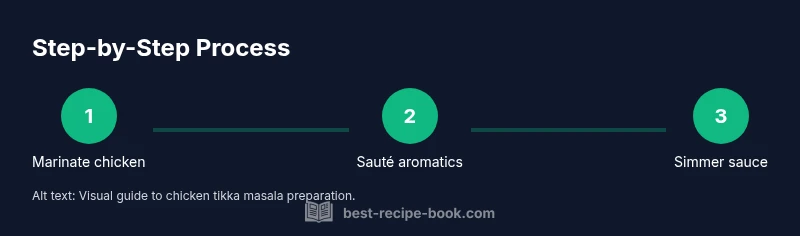
Start by browning the marinated chicken in pockets of hot oil to lock in juices—don’t overcrowd the pan. Remove the chicken and set aside; in the same pan, build the masala base with onions and spices. Deglaze with a splash of water or stock, then stir in tomato purée and simmer until thickened and glossy. Return the chicken to the pan along with its marinade; simmer gently until the chicken is cooked through and tender. Finish with cream, whoosh briefly to emulsify, then crumble kasuri methi over the top for aroma. Taste, adjust salt, and add a squeeze of lemon if desired to brighten the sauce. The finished dish should be silky, with a balanced tang and warmth.
Dietary adaptations and substitutions
This recipe adapts well to different dietary needs. For dairy-free, swap cream for coconut milk and use dairy-free yogurt in the marinade. For a lighter version, reduce the amount of cream and rely on the tomato base for body, finishing with a small amount of olive oil. You can also intensify heat by increasing chili powder, or temper it by using more yogurt. If you’re avoiding garlic, simply festival the garlic with a garlic-free paste variant. The goal is to maintain the sauce’s balance while respecting dietary restrictions.
Plating and serving for maximum impact
Serve chicken tikka masala over steamed basmati rice or with warm naan. Garnish with chopped cilantro and a lemon wedge for brightness. A side of roasted vegetables or a light cucumber salad provides contrast to the saucy richness. For a complete Indian-inspired meal, add a small bowl of mint chutney or raita. When entertaining, offer a milder version for guests who prefer less heat, while keeping the main dish intact for others. The goal is to provide a visually appealing plate with aroma-first cues that invite tasting and conversation.
Troubleshooting and advanced tips
If the sauce splits or looks oily, reduce the heat and whisk in a splash of cream or water to emulsify. If the chicken seems dry, cover and simmer gently with a little stock or water, then rest off heat for a few minutes. For a deeper flavor, bloom spices in oil for a minute before adding aromatics. Crushing kasuri methi freshens aroma; rub it between your palms to release essential oils before adding. To stretch portions, increase the sauce-to-chicken ratio or add a splash of tomato purée and cream to maintain consistency.
Tools & Materials
- Boneless chicken thighs or breasts(1.5–2 lb (680–900 g); trimmed and cut into 1-inch pieces)
- Plain yogurt(For marinade; full-fat preferred for creaminess)
- Garam masala(1–2 tsp)
- Turmeric(1/2–1 tsp; adds color and warmth)
- Ground cumin(1/2–1 tsp)
- Ground coriander(1/2–1 tsp)
- Paprika or chili powder(1/2–1 tsp; adjust for heat)
- Garlic(3–4 cloves, minced)
- Fresh ginger(1 tablespoon, grated)
- Onion(1 medium, finely chopped)
- Tomato puree or crushed tomatoes(1–1.5 cups (240–360 ml))
- Heavy cream or coconut milk(1/3–1/2 cup (80–120 ml); dairy-free option: coconut milk)
- Kasuri methi (dried fenugreek leaves)(A pinch, crushed before adding)
- Oil or ghee(2–3 tablespoons; for sautéing)
- Salt(To taste, add in stages)
- Lemon or lime(Optional brightness at the end)
- Fresh cilantro(Garnish)
Steps
Estimated time: 60-75 minutes
- 1
Marinate the chicken
In a large bowl, whisk yogurt with garlic, ginger, garam masala, turmeric, cumin, coriander, and salt. Add the chicken pieces and coat evenly. Cover and refrigerate for 30 minutes to 24 hours to maximize flavor and tenderness.
Tip: For best results, marinate overnight in the fridge and use fresh yogurt for creaminess. - 2
Prepare aromatics
Chop the onion, mince remaining garlic, and grate ginger. Have spices and tomato ready so they’re within reach when you start cooking. This keeps the workflow smooth and prevents overcooking the aromatics.
Tip: Consistency matters—uniform onion dice ensures even cooking. - 3
Toast the spices
In a dry pan, toast garam masala, paprika, cumin, and coriander until fragrant, about 30–60 seconds. This bloom heightens aroma and deepens flavor for the sauce.
Tip: Watch closely; burnt spices ruin the balance. - 4
Build the masala base
Heat oil in a pan, add onions, and sauté until translucent. Add garlic and ginger, cooking until the mixture is fragrant. Stir in the toasted spices and tomato puree, simmering to reduce acidity and concentrate sweetness.
Tip: Keep heat medium; you want aromatic vegetables, not burnt edges. - 5
Cook the chicken in the sauce
Add the marinated chicken (with any remaining marinade) to the pan. Cook until the chicken is just cooked through and coated with the sauce, 8–12 minutes depending on thickness.
Tip: Avoid overcooking to keep chicken tender. - 6
Finish with cream and kasuri methi
Stir in cream (or coconut milk for dairy-free) and simmer 3–5 minutes to meld flavors. Crumble kasuri methi over the top for aroma and finish with salt to taste.
Tip: Add lemon juice if you want a brighter finish. - 7
Taste, adjust, and rest
Taste the sauce and adjust salt and acidity. If possible, let the sauce rest off heat for 5–10 minutes to let flavors round out.
Tip: Resting helps flavors settle and improves cohesion. - 8
Serve and garnish
Spoon over hot basmati rice or serve with warm naan. Garnish with chopped cilantro and a wedge of lemon for a fresh contrast.
Tip: A bright squeeze before serving elevates the dish.
People Also Ask
How long should I marinate the chicken to maximize flavor?
Marinate for at least 30 minutes; overnight yields deeper flavor and tenderness. If you’re pressed for time, aim for 2–4 hours.
Marinate at least 30 minutes; overnight is best for depth and juiciness.
Can I make this dairy-free or low-fat without sacrificing flavor?
Yes. Use coconut milk or a dairy-free yogurt substitute in both marinade and sauce, and omit cream. The sauce will be lighter but still flavorful.
Yes—dairy-free options work by using coconut milk and dairy-free yogurt.
What if I don’t have kasuri methi?
If you don’t have kasuri methi, you can skip it or substitute with a pinch of dried fenugreek seeds ground finely for a similar aroma.
Skip or substitute with a pinch of ground fenugreek seeds.
How should leftovers be stored and reheated?
Store leftovers in an airtight container in the fridge for up to 3–4 days. Reheat gently on the stove or in a microwave, adding a splash of water or cream if needed.
Refrigerate for 3–4 days and reheat slowly to keep the sauce cohesive.
Can I freeze the sauce?
The sauce freezes well, but dairy may separate on thawing. Reheat slowly and whisk to regain creaminess; add a splash of cream if needed.
Yes, but you may need to whisk or re-emulsify after thawing.
Watch Video
Key Takeaways
- Marinate chicken for depth and tenderness
- Bloom spices early for robust aroma
- Balance creaminess with acidity for a silky sauce
- Adjust salt and heat to taste before serving