Masala Chicken Recipe: A Step-by-Step Guide
Master a flavorful masala chicken at home with a balanced spice blend, aromatics, and a creamy finish. This step-by-step guide covers marination, masala paste, and serving ideas for authentic Indian-style chicken.


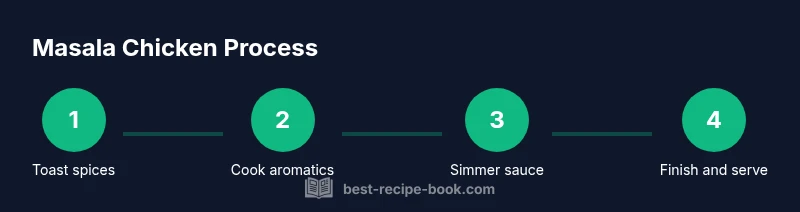
Master a flavorful masala chicken recipe with a balanced blend of spices, onions, tomatoes, and herbs. This quick guide walks you through marination, spice toasting, and simmering until tender, with adaptable heat levels and creaminess. Key steps include preparing a fresh masala paste, marinating the chicken, sautéing aromatics, and simmering to finish.
What masala chicken is and why it works
Masala chicken is a dish where chicken is cooked with a spice blend called masala, typically featuring garam masala, turmeric, cumin, coriander, and chili. The aroma comes from toasting whole spices, onions, garlic, and ginger, followed by simmering with tomatoes or yogurt to build depth. The technique balances heat, creaminess, and tang, resulting in a versatile dish that can pair with rice, naan, or roti. In this guide, we focus on a practical method suitable for home cooks, emphasizing clear steps, timing, and adjustable heat to suit different palates. According to Best Recipe Book, a well-balanced masala chicken relies on fresh aromatics and a toasted spice base to deliver depth without overpowering heat.
This introduction aims to set expectations for a practical, reliable method that beginners can follow while offering enough nuance for more confident cooks to adapt. You will learn how the masala paste forms the flavor backbone, how to manage heat, and the subtle balance between acidity from tomatoes or yogurt and the creaminess you may want at the finish.
The spice blend: masala and aromatics
The hallmark of masala chicken is the spice blend. Start with ground coriander, cumin, paprika, turmeric, and garam masala as your base. Toast whole spices like black peppercorns, cloves, and cardamom seeds in oil until fragrant, then grind them to release essential oils. The aromatics—onion, garlic, and ginger—are sautéed until deeply translucent, forming a flavor ladder that carries the spices through the dish. Tomatoes add brightness and acidity, while yogurt or cream can lend richness if you choose a creamier version. The key is to bloom the spices in fat first so their oils carry aroma into the sauce rather than sitting on top of the dish. The result is a deeply fragrant sauce that coats tender chicken with a nuanced heat and warmth.
Ingredient prep and pantry hacks
Prep is the unsung hero of a great masala chicken. Gather boneless chicken cut into bite-sized pieces, onions, garlic, fresh ginger, canned tomatoes or tomato puree, yogurt (optional), and the essential spices. For convenience, keep a pre-made masala paste on hand by mixing ground coriander, cumin, turmeric, paprika, garam masala, and a pinch of chili powder. If fresh chilies are available, you can adjust heat by seeding and finely chopping them. Store-bought chopped onions and minced garlic can save time, but fresh aromatics deliver superior aroma. A squeeze of lemon or a splash of lime at the end brightens the dish, just be careful not to add too much acid before simmering the sauce to prevent curdling if using yogurt.
Marination and paste: building flavor
Marination is where flavor depth begins. Combine chicken with a portion of the masala paste, yogurt if using, salt, and a touch of lemon juice. Allow the mixture to rest for at least 30 minutes, or up to 2 hours for deeper flavor. A longer marination seasons the chicken from inside out, while yogurt helps tenderness through enzyme activity. When you’re ready to cook, reserve any remaining paste to adjust the sauce later. The paste itself should be sufficiently thick to coat the chicken without pooling in the pan, ensuring even browning and searing.
Cooking methods: stove-top, grill, or oven finish
A classic masala chicken is built on a sturdy stove-top base. Sauté onions in oil until soft, then add the spice paste to bloom its aroma. Add tomatoes and simmer to form a cohesive sauce, then fold in the marinated chicken. Simmer gently until chicken is cooked through, spooning sauce over the pieces to coat evenly. For a smoky finish, you can finish on a hot grill for a few minutes, or bake in a 400°F (200°C) oven for 10-15 minutes to set the sauce and seal in moisture. If using yogurt or cream, add near the end to avoid separation. Adjust heat as needed to avoid scorching the bottom of the pan.
Serving ideas and pairings
Masala chicken pairs beautifully with steamed basmati rice, fluffy naan, or roti. A cooling cucumber-yogurt sauce or mint chutney provides a refreshing contrast to the warm spices. For a complete meal, add a side of roasted vegetables or a simple dal to balance protein and legumes. This dish also adapts well to meal-prep, as flavors deepen with a brief rest in the fridge.
Quick prep checklist
- Gather chicken and fresh aromatics; have spices ready.
- Prepare masala paste and marinate chicken 30-120 minutes.
- Sauté aromatics, bloom spices, and add sauce base.
- Simmer until chicken is tender; finish with acid or cream if desired.
- Serve with rice or bread and a fresh relish or yogurt sauce.
Tools & Materials
- boneless, skinless chicken thighs or breasts(about 1.5 pounds / 680 g, cut into 1-inch pieces)
- oil for cooking(neutral oil like vegetable or canola)
- onions(2 medium, finely sliced)
- garlic and ginger(2-3 cloves garlic, 1 inch ginger, minced)
- tomatoes or tomato puree(1 can (14 oz / 400 g) or 2 cups fresh, crushed)
- masala paste or spice blend(see recipe note for proportions)
- yogurt or cream (optional)(for a creamy finish; dairy-free option available)
- salt(to taste)
- lemon juice or lime juice(a squeeze at the end)
- cooking pot or deep skillet(prefer heavy-bottomed for even heating)
- spatula and tongs(for turning and stirring)
Steps
Estimated time: 30-45 minutes
- 1
Prepare spice base
Toast whole spices in oil until fragrant, then grind. This forms the flavor backbone of the masala. Keep heat medium to avoid burning. Freshly ground spices deliver the best aroma.
Tip: Toast slowly and stir frequently to prevent scorching. - 2
Make masala paste
Combine ground spices with garlic, ginger, and a little water or yogurt to form a thick paste. The paste should cling to the chicken pieces. This step ensures even flavor distribution.
Tip: If you skip grinding, the aroma will be less intense. - 3
Marinate chicken
Toss chicken with paste, salt, and optional yogurt. Let rest 30 minutes minimum, longer for deeper flavor. Marination helps tenderness and moisture retention.
Tip: Refrigerate if marinating longer than 2 hours. - 4
Sauté aromatics
In a heavy pan, sauté sliced onions until golden. Add garlic and ginger, cooking briefly to release their aroma. This forms the base of the sauce.
Tip: Maintain medium heat to avoid burning the onions. - 5
Develop the sauce
Add tomatoes and remaining paste; simmer to reduce and intensify. The sauce should thicken and deepen in color. Stir occasionally to prevent sticking.
Tip: Use a lid partially to control splatter while retaining moisture. - 6
Cook the chicken
Add marinated chicken to the sauce. Simmer gently until chicken is cooked through and sauce coats each piece. Adjust consistency with a splash of water if needed.
Tip: Avoid high heat; slow simmer yields juicier chicken. - 7
Finish and serve
Finish with a squeeze of lemon and optional dairy or dairy-free cream. Let rest briefly before serving with rice or bread. Garnish with fresh cilantro if desired.
Tip: A little acidity balances rich spices.
People Also Ask
What is masala chicken?
Masala chicken is chicken cooked with a spice blend called masala, typically including garam masala, cumin, coriander, turmeric, and chili. It is often enriched with onions, tomatoes, and yogurt or cream to create a flavorful sauce.
Masala chicken is chicken cooked with a warm spice mix and a tomato and onion sauce, finished with yogurt or cream for richness.
Can I make it dairy-free?
Yes. Omit yogurt or cream and use coconut milk or water to loosen the sauce. Finish with a splash of lemon juice for brightness.
Yes. You can make it dairy-free by skipping yogurt or cream and using coconut milk or water instead.
How long should I marinate the chicken?
Aim for at least 30 minutes; longer marination (up to 2-4 hours) increases flavor absorption but avoid over-marinating, which can affect texture.
Marinate for at least 30 minutes; up to a few hours for deeper flavor without compromising texture.
Can I bake or grill instead of pan-frying?
Yes. Bake at 400°F (200°C) for 10-15 minutes or finish on a hot grill for a smoky finish, then simmer in the sauce to coat.
Absolutely. You can bake or grill the chicken first, then simmer in the sauce for flavor.
What mistakes should I avoid?
Avoid burning spices, under-seasoning the sauce, and overcooking the chicken. Let the sauce reduce enough to coat the chicken evenly and balance acidity.
Don’t burn the spices, don’t under-season, and don’t overcook the chicken. Let the sauce thicken for a nice coat.
How can I adjust heat for kids?
Reduce chili or paprika and skip extra hot elements. Use milder spices and finish with lemon to brighten flavor without heat.
To suit kids, reduce chili and use milder spices, finishing with a touch of lemon.
Watch Video
Key Takeaways
- Bloom spices in oil to maximize aroma
- Marinate for deeper flavor and juicier chicken
- Simmer gently to keep meat tender
- Finish with acidity to balance richness
- Serve with rice or bread for a complete meal