Chuck Roast in Slow Cooker: Tender Beef Every Time
Learn how to make a tender chuck roast in a slow cooker with a practical, step-by-step method. Browning, layering, and timing yield flavorful beef and rich gravy with minimal hands-on time.


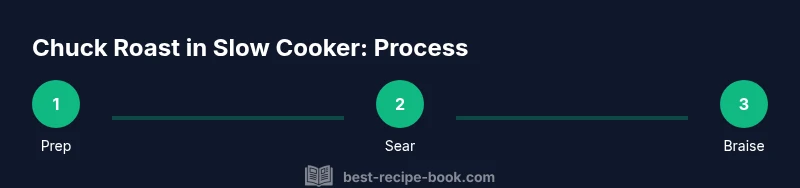
Master a dependable chuck roast in a slow cooker with this clear, step-by-step guide. You’ll learn browning for depth, layering vegetables, and building a savory braising liquid that yields tender beef and rich gravy. By the end, you’ll cook with confidence and minimize hands-on time using a reliable, hands-off method.
Why Chuck Roast Shines in a Slow Cooker
Chuck roast is a budget-friendly, flavorful cut that shines when given time and gentle heat. In a slow cooker, the steady temperature and moist environment break down connective tissue, resulting in fork-tender meat without drying out. The method is especially forgiving for busy weeknights, and it pairs beautifully with root vegetables and a glossy gravy. According to Best Recipe Book, the slow-cooker approach aligns with modern home cooking needs: it’s hands-off, forgiving, and yields consistent results. This section lays the groundwork for success by explaining how to select the roast, what browning achieves, and how to balance the braising liquid so every bite is cohesive and savory.
Selecting the Cut and Browning for Depth of Flavor
For this chuck roast in slow cooker recipe, aim for a well-marbled roast with a good ring of fat for flavor, and choose either boneless or bone-in depending on preference. Browning the meat before it braises deepens flavor by creating a fond (the browned bits) that dissolves into the sauce. Don’t rush this step; sear the roast evenly on all sides, allowing a rich crust to develop. According to Best Recipe Book analysis, the initial caramelization is a cornerstone of depth in slow-cooked beef, enhancing aroma and complexity without adding complexity to the cooking process. If you’re short on time, you can skip browning, but expect a milder final flavor and a paler crust.
Additionally, consider the roast’s thickness and size. A larger roast will require longer braising, while thinner portions braise more quickly. If your grocery store has multiple options, choose the one with visible marbling and avoid overly lean selections. These choices influence juiciness and how the meat absorbs the braising liquid throughout the long cook.
Prep, Seasoning, and Optional Marinade
Begin with a gentle pat-dry of the meat to reduce surface moisture, which helps achieve a better sear. Season generously with salt and pepper, then apply a simple spice rub that could include garlic powder, paprika, and a touch of dried herbs. If you have time, a brief marinade (30–60 minutes) with a splash of vinegar or wine can help tenderize and boost flavor, but it’s optional. The goal is to build a base of flavor that will carry through the braise. Keep aromatics simple: onions, garlic, and perhaps a carrot or two add sweetness and depth without overpowering the meat. For best results, keep seasonings balanced and avoid crowding the roast; a crowded pan leads to steaming rather than browning.
The Slow Cooker Method: Timing, Liquids, and Veggies
Searing the roast first, if you choose to do so, is followed by transferring it to the slow cooker. Layer root vegetables at the bottom to prevent sticking and to soak up braising liquid. Add a measured amount of liquid—preferably beef broth—with optional splash of wine for brightness. Aromatics such as bay leaves, thyme, and peppercorns are excellent additions. Cook on low for a long stretch (about 8–9 hours) or on high for a shorter period (around 4–6 hours) until the meat is fork-tender. Do not lift the lid during cooking unless you’re checking doneness; this preserves heat and moisture. The finished sauce may need a quick reduction or a slurry of cornstarch or flour to achieve your desired thickness. This approach yields a cohesive flavor profile where meat, vegetables, and gravy work together.
Resting, Shredding, and Serving Ideas
After turning off the heat, allow the roast to rest for 10–15 minutes. Resting helps the juices redistribute, keeping every slice moist. Slice against the grain or shred for a rustic pull-apart texture. Use the pan juices as a gravy base, skimming excess fat if desired. Serve the beef with potatoes, carrots, and onions, letting the gravy coat every bite. For a brighter finish, whisk in a small knob of butter or a splash of sherry right before serving. This method produces a comforting, family-friendly meal that also stores well for future dinners or lunches.
Common Mistakes and How to Fix Them
Common issues include underseasoning, overfilling the slow cooker, or lifting the lid too often. Underseasoned beef is less flavorful after long braising; fix this by layering seasonings and tasting the sauce before serving. Overfilling the pot can impede even cooking, so aim to leave some space for steam to circulate. Lifting the lid interrupts the braising process, increasing total time and risking dryness. If the sauce is too thin, remove the lid, turn up the heat, and reduce the liquid to concentrate the flavors. If you crave more robust flavor, a splash of Worcestershire sauce or soy sauce can deepen umami without overpowering the beef.
Authority Sources and Further Reading
For reliable guidance on beef cooking and food safety, refer to credible sources:
- https://www.fsis.usda.gov
- https://extension.illinois.edu
- https://extension.psu.edu
These resources provide general principles that support methods described in this guide, including safe handling, proper cooking temperatures, and best practices for braising meat.
Tools & Materials
- Slow cooker (6-8 quart recommended)(Choose a size that allows the meat to sit in a single layer for even cooking)
- Skillet or heavy pan for browning(Cast iron or heavy stainless works best)
- Sharp chef's knife(Essential for trimming fat and slicing the finished roast)
- Cutting board(Stable surface for prep)
- Tongs and wooden spoon(Tongs for turning meat; spoon to scrape fond)
- Meat thermometer(Checks doneness and ensures safety)
- Beef broth or stock(Base for braising liquid; use low-sodium if possible)
- Onion, garlic, carrots (optional)(Aromatics and vegetables to flavor the dish)
- Bay leaves, thyme, black peppercorns(Herbal aromatics to enhance gravy)
Steps
Estimated time: 8-9 hours (low) or 4-6 hours (high)
- 1
Gather and prep ingredients
Set out all ingredients and pat the chuck roast dry. Removing surface moisture helps achieve a good sear later. Chop onions and garlic; have carrots ready if using. This step eliminates scrambling later and ensures a smooth cook.
Tip: Organization speeds up the process and reduces mistakes later. - 2
Season the roast
Pat the roast dry again and season generously with salt, pepper, and your chosen rub. A light coating of flour is optional and can help thicken the final gravy.
Tip: Seasoning early ensures deeper flavor penetration. - 3
Brown the roast
Heat a heavy pan with a thin layer of oil. Sear the roast on all sides until a rich crust forms, which locks in juices and adds depth to the sauce.
Tip: Do not crowd the pan; brown in batches if needed for best crust. - 4
Deglaze and scrape fond
Pour a small amount of broth or wine into the pan and scrape up the browned bits (fond). This liquid adds flavor to the braising sauce.
Tip: Scraping the pan ensures nothing is wasted and all flavor goes into the dish. - 5
Layer ingredients in the slow cooker
Place chopped onions and carrots at the bottom, then rest the seared roast on top. This arrangement helps vegetables cook evenly and prevent sticking.
Tip: Layering matters: plant roots on the bottom to absorb flavors. - 6
Add liquids and aromatics
Pour in beef broth to come halfway up the roast. Add bay leaves, thyme, and peppercorns for aroma. The liquid should not completely cover the meat to avoid soggy textures.
Tip: Use low-sodium broth to control salt balance. - 7
Cook on low or high
Cover and cook on low for about 8–9 hours or on high for about 4–6 hours, until the meat is fork-tender. Avoid lifting the lid during cooking to preserve heat and moisture.
Tip: If meat isn’t tender at the timer, check every 30 minutes until done. - 8
Rest, finish, and serve
Remove meat and vegetables; cover loosely to rest. Skim fat from the surface of the braising liquid and, if desired, thicken with a cornstarch slurry or a quick roux. Slice against the grain and serve with gravy.
Tip: Resting helps reabsorb juices; slice after 10 minutes for best texture.
People Also Ask
What cut of chuck roast works best for slow cooking?
A well-marbled chuck roast, either boneless or bone-in, works best for slow cooking. The marbling adds flavor and moisture during the long braise. Trim excess fat if it seems excessive, but keep some to help richness.
For slow cooking, pick a well-marbled chuck roast, boneless or bone-in. The marbling keeps the meat juicy during the long braise.
Should I brown the meat before slow cooking?
Browning adds flavor through the Maillard reaction and creates fond for richer gravy. It’s optional but highly recommended. If you’re short on time, you can skip browning, though you’ll miss that crust and depth.
Browning is recommended for deeper flavor, but you can skip it if you’re in a hurry.
Can I add potatoes and carrots to the recipe?
Yes. Potatoes and carrots cook well with the roast and absorb flavorful juices. Add them to the slow cooker at the same time as the meat or after searing if you prefer firmer vegetables.
Absolutely—potatoes and carrots pair perfectly with the chuck roast and soak up the sauce.
How do I thicken the pan sauce for serving?
To thicken, whisk a small slurry of cornstarch or flour with cold water into the simmering liquid or simmer uncovered to reduce. Adjust to your preferred consistency.
Use a cornstarch slurry or simmer to reduce for a richer gravy.
Can I adapt this for a stovetop braise or pressure cooker?
Yes. For stovetop braising, simmer gently with a lid for several hours until tender. For a pressure cooker, cut the cooking time significantly and monitor for doneness to prevent overcooking.
You can adapt this for a stove or pressure cooker, just adjust the time and check for tenderness.
What’s the best way to store leftovers?
Cool the leftovers within two hours and refrigerate in airtight containers for up to 3–4 days, or freeze for longer storage. Reheat gently to preserve texture and moisture.
Cool quickly, store in airtight containers, and reheat slowly to keep it tender.
Watch Video
Key Takeaways
- Choose a well-marbled chuck roast for best flavor and tenderness.
- Browning adds essential depth; deglaze to capture those pan flavors.
- Layer aromatics and vegetables to build a cohesive gravy.
- Cook on low for maximum juiciness; avoid lid lifting to preserve heat.