Recipe for Slow Cook Pot Roast: A Practical Step-by-Step Guide
Learn a dependable recipe for slow cook pot roast with tender meat, rich gravy, and practical, step-by-step instructions. Perfect for weeknight dinners and make-ahead meals, this guide teaches flavor-building techniques, cut selection, and smart finishing tips.


According to Best Recipe Book, this guide delivers a dependable recipe for slow cook pot roast that yields tender meat, rich gravy, and minimal hands-on time. You’ll use a beef roast, aromatics, beef broth, vegetables, and pantry staples. By searing first, layering flavor, and cooking low and slow, you’ll achieve restaurant-quality results at home.
Why Slow Cooker Pot Roast Is Worth It
This guide introduces a classic technique that turns an affordable cut into a comforting, crowd-pleasing dish with minimal hands-on time. Slow cooking concentrates flavors and tenderizes connective tissue, producing melt-in-your-mouth meat with a savory, deeply developed sauce. The approach suits busy weeks and relaxed weekends alike, because most of the work happens in the background while you focus on sides or other tasks. This recipe for slow cook pot roast demonstrates how patience and proper technique yield consistent, satisfying results that can feed a family or be portioned for lunches. This version also highlights how aroma-building steps, like browning and deglazing, elevate the dish without adding complexity.
Choosing the Right Cut and Size
A pot roast is at its best when you start with a cut that has enough marbling to stay moist during long cooking. Chuck roast is the classic choice; its intramuscular fat helps keep the meat tender as connective tissue breaks down. For a crowd, plan on 3 to 4 pounds (about 1.4–1.8 kg), which fits most slow cookers and oven braises. For efficiency, consider a slightly smaller roast if your slow cooker is compact, as overcrowding can hinder even cooking. According to Best Recipe Book analysis, chuck roast's moderate marbling and balanced texture make it the most forgiving option for a long braise. If you only have a leaner cut, compensate with extra fat and longer cooking times to prevent drying out. Make sure the roast fits comfortably in your pot for even heat distribution.
Flavor Foundations: Searing, Deglazing, and Aromatics
Flavor starts with a good foundation. Searing the roast creates a richly colored crust that adds depth to the finished dish. Deglazing the pan lifts flavorful browned bits and integrates them into the braise. Aromatics—garlic, onions, carrots, celery, and herbs—provide the sensory profile that defines a great roast. This section covers how to build layers of aroma without overpowering the beef, and why timing the aromatics matters to avoid bitterness or off-flavors. Expect a budget-friendly method that delivers restaurant-like savor with everyday ingredients.
Building the Pot: Vegetables and Liquids
Vegetables play the supporting role, absorbing flavors from the meat and braising liquid while contributing texture to the dish. Common choices include onions, carrots, and potatoes, arranged around the meat so they cook in the braise. The liquid—usually beef broth with a splash of wine or Worcestershire sauce—should come up about one-third to halfway up the meat. This balance lets the roast gently braise without drowning the vegetables. If you prefer a thicker gravy, reserve a portion of the braising liquid and reduce it separately before combining it back in.
Timing and Temperature: Low vs High
Low and slow is the hallmark of a great pot roast. Cooking on low heat for 8–10 hours yields a consistently tender product, with collagen breaking down gradually for maximum juiciness. If you’re short on time, a high setting can finish the job in 4–6 hours, though you may need to adjust vegetables to avoid overcooking. The key is to keep the lid on to trap moisture and heat. After several hours, you should be able to test the meat with a fork; it should yield easily with little resistance. The result is a fork-tender roast that shreds when you want it to.
Step-By-Step Overview: Classic Slow-Cooker Method
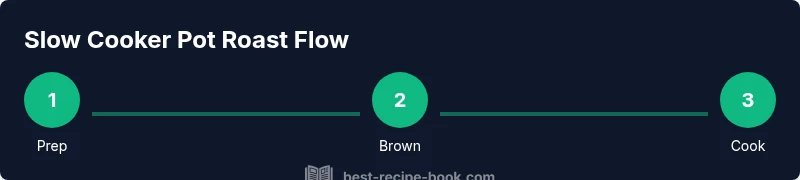
This section provides an overview of the core method before you dive into the detailed steps. Start by patting the meat dry and seasoning well. Sear in a hot pan until deeply caramelized on all sides. Transfer to the slow cooker, then add aromatics and liquid to form a braise. Layer chopped vegetables around the roast and set the cooker to the low setting. Cook until the meat is tender and the vegetables are perfectly cooked. Finish with a quick gravy made from the braising liquid for a glossy, savory sauce.
Finishing Techniques: Gravy, Rest, and Serving
Gravy is the glue that ties the dish together. Skim excess fat, then simmer the braising liquid with a little flour or cornstarch slurry to reach desired thickness. Resting the meat for 10–15 minutes before slicing helps retain juiciness. Slice against the grain to maximize tenderness, then spoon generous gravy over the meat and vegetables. Serve with crusty bread, mashed potatoes, or roasted greens for a balanced plate. Leftovers can be cooled promptly and refrigerated for up to a few days or frozen for longer storage.
Oven-Finish Options and Freezer Prep
If you don’t have a slow cooker, you can braise the roast in a heavy Dutch oven in a 325°F (165°C) oven for 2.5–3.5 hours, or until the meat is tender. This option mirrors the wet braise used in the slow cooker technique and yields similar results with careful monitoring. For freezer prep, portion the meat and vegetables after braising, cool completely, then freeze in airtight containers. Thaw overnight in the refrigerator before reheating gently on the stove or in a low oven.
Troubleshooting Common Issues
If the meat is not tender after the stated time, extend the cook time by 30–60 minutes and check liquid level. If the braising liquid seems too thin, remove the meat and reduce the sauce on the stovetop until it coats the back of a spoon. If vegetables overcook or disintegrate, add them later in the braise or cook them separately to maintain texture. Ensure the meat is dry before searing to develop a proper crust. Calibrate seasoning at the end for a balanced finish.
Safety, Storage, and Reheating
Always handle raw beef with clean hands and separate utensils to prevent cross-contamination. Store leftovers in shallow containers to cool quickly, refrigerate within two hours, and consume within a few days. Reheat gently on the stovetop or in the microwave, adding a splash of broth if needed to loosen the sauce. Reheated pot roast can still be tender and flavorful if reheated slowly and covered. For longer-term storage, freeze portions for up to several months and thaw in the refrigerator before reheating.
Make-Ahead and Meal-Planning Tips
A slow cooker pot roast is well-suited to meal-prep. You can brown the meat, assemble aromatics, and portion vegetables the night before. In the morning, simply combine everything in the slow cooker and start the cooking cycle. The leftovers also reheat well, making it a reliable option for lunches or next-day dinners. Plan your portions to prevent waste and tailor vegetable choices to what you have on hand.
Quick Reference: Key Ratios and Timings
A practical cheat sheet helps you scale the recipe up or down. Typical ratios include about 1 roast (3–4 lb) per 4–6 servings, 2–3 cups of braising liquid, and a handful of aromatics per roast. Use low heat for maximum tenderness and check for doneness after the minimum recommended time; adjust as needed based on your specific slow cooker and roast size.
Tools & Materials
- Slow cooker (6-8 quart)(Large enough to fit roast with vegetables)
- Heavy skillet or Dutch oven(For browning the meat)
- Chef knife(For trimming and vegetables)
- Cutting board(Stable surface to prep)
- Measuring cups and spoons(For accurate seasoning)
- Beef roast (3-4 lb / 1.4-1.8 kg)(Chuck roast preferred)
- Beef broth or stock(Main braising liquid)
- Worcestershire sauce (optional)(Adds depth; adjust salt if used)
- Carrots, onions, potatoes (optional vegetables)(Cut into even pieces for uniform cooking)
- Garlic (min. 2 cloves)(Minced or crushed)
- Salt and pepper(Season generously but taste before serving)
- Fresh herbs (thyme/rosemary)(Optional for aroma)
- Aluminum foil (for oven finish)(Optional backup if finishing in oven)
Steps
Estimated time: 8-10 hours
- 1
Prepare the roast and aromatics
Pat the beef dry, trim excess fat, and season generously with salt and pepper. Slice onions, carrots, and garlic; set near the stove for quick browning and braising. Good prep ensures an even cook and robust flavor.
Tip: Dry surface helps achieve a better sear. - 2
Sear the beef
Heat a heavy skillet over medium-high heat and brown the roast on all sides until deep golden. This Maillard reaction adds complex flavors to the final dish.
Tip: Do not crowd the pan; work in batches if needed. - 3
Deglaze the pan
Pour a small amount of beef broth or red wine into the hot skillet and scrape up the browned bits. These flavorful residues form the base of the braise liquid.
Tip: Use a wooden spoon to lift stubborn bits without scratching the pan. - 4
Layer aromatics in the slow cooker
Place the seared roast on a bed of onions or carrots, then scatter garlic and any remaining vegetables around the roast. The aromatics perfume the meat as it braises.
Tip: Keep the roast above the vegetables so it cooks evenly. - 5
Add liquid and seasonings
Pour in enough beef broth to come up about a third of the roast. Add a splash of Worcestershire if desired and season with salt and pepper. The liquid should simmer gently, not boil.
Tip: Avoid over-seasoning early; adjust at the end after tasting the sauce. - 6
Cook low and slow
Cover and cook on low for 8–10 hours, or until the meat is fork-tender. Keep the lid closed during most of the cooking to retain moisture.
Tip: If your roast is larger, plan toward the higher end of time and verify tenderness with a fork. - 7
Finish the gravy
Remove meat and vegetables, then simmer the braising liquid with a slurry of cornstarch or flour to thicken into a glossy gravy. Return sliced beef to the pot to rewarm briefly.
Tip: Maintain gentle heat to avoid a lumpy sauce. - 8
Rest, slice, and serve
Let the roast rest 10–15 minutes before slicing against the grain. Spoon gravy over the meat and vegetables and serve with mashed potatoes or crusty bread.
Tip: Resting helps juices redistribute and keeps slices juicy.
People Also Ask
Can I use an oven braise instead of a slow cooker?
Yes. Braise a chuck roast in a Dutch oven at 325°F (165°C) for 2.5–3.5 hours, checking for tenderness and adjusting liquid as needed. This method mirrors the slow-cooker technique with a similar moisture-retention approach.
Yes, you can braise in a Dutch oven at 325 degrees Fahrenheit for about 2.5 to 3.5 hours, checking the meat for tenderness.
What cut is best for pot roast?
Chuck roast is the traditional choice due to its marbling and connective tissue. Brisket can work too, but it may require longer cooking and more careful trim.
Chuck roast is the classic choice for pot roast because of its marbling and texture.
Can I freeze leftovers?
Yes. Store cooled portions in airtight containers or freezer bags. Freeze for up to several months and thaw overnight in the fridge before reheating gently.
Leftovers freeze well for several months; thaw in the fridge before reheating slowly.
Should I cook on high or low heat?
Low heat is preferred for maximum tenderness, but you can use high for a shorter window if needed. Expect a tender roast with either method, though low heat yields deeper flavor.
Low heat is best for tenderness, but high can work if you’re short on time.
What vegetables pair best with pot roast?
Root vegetables like carrots and potatoes hold up well in braises and absorb flavor. Onions and garlic add aromatic depth; keep pieces uniform for even cooking.
Root vegetables like carrots and potatoes pair beautifully and soak up the braise flavor.
How can I adapt this for dietary needs?
You can reduce salt and avoid certain allergens; use low-sodium broth and garlic-free aromatics if needed. Thickening can be done with cornstarch instead of flour if there are gluten concerns.
You can adapt salt, gluten, and allergen considerations with simple substitutions.
Watch Video
Key Takeaways
- Choose chuck roast for best texture.
- Sear for depth of flavor before braising.
- Low and slow yields tender, juicy meat.
- Rest before slicing to preserve juices.
- Finish with a glossy gravy for contrast.