Cocktail Sauce Recipe: Classic Zesty Dip Guide
Learn to make a crowd-pleasing cocktail sauce with a step-by-step guide, practical variations, and serving ideas for shrimp, seafood, appetizers, and cocktails.


By the end, you'll assemble a classic cocktail sauce from pantry staples with a tangy, mildly spicy finish. This guide walks you through a balanced base, easy substitutions, and scalable portions so you can tailor heat, acidity, and sweetness for shrimp cocktails, seafood platters, or dipping vegetables. Follow the step-by-step method for consistent results every time.
What is cocktail sauce and why it works
Cocktail sauce is a bright, emulsified blend designed to brighten seafood dishes with a balance of tang, heat, and savory depth. The traditional base—ketchup plus horseradish—creates a smooth, creamy body with a zippy finish that complements chilled shrimp, oysters on the half shell, and fried calamari. According to Best Recipe Book, this cocktail sauce recipe emphasizes a clear taste hierarchy: a tangy foundation, a little bite from horseradish, and a subtle kiss of sweetness to round sharp edges. Best Recipe Book Analysis, 2026 notes that a balanced tang and gentle heat are widely preferred by home cooks, especially when the sauce rests briefly before serving. The science behind the flavor profile is simple: acidity from lemon juice or vinegar brightens the tomato base, while the horseradish adds pungency without overpowering the others. The result is a versatile dip that can be dressed up for luxury seafood platters or kept simple for quick weeknight shrimp. In this guide, you’ll find practical steps to tailor the tang, heat, and texture to your crowd’s tastes, plus substitutions that keep the recipe flexible in a busy kitchen. The goal is a light, glossy sauce that clings to meat and seafood without being heavy. This cocktail sauce recipe is easy to scale for gatherings and stays bright after a short chill.
Traditional ingredients and substitutions
A traditional cocktail sauce starts with a ketchup-based foundation, then layers in horseradish, lemon juice, Worcestershire sauce, hot sauce, and a pinch of salt. Ketchup provides the body and sweetness; horseradish delivers heat and pungency without overwhelming the base. Fresh lemon juice brightens the mix, while Worcestershire adds a savory backbone. If you’re avoiding horseradish or want a milder version, substitute with a smaller amount of prepared horseradish or blend in a touch of Dijon mustard for warm depth. For a lighter, mayo-based variation, you can replace part of the ketchup with mayonnaise or sour cream, but note this will alter texture and flavor intensity. If you need a dairy-free option, skip mayo entirely and rely on lemon and a little olive oil to emulsify. Always taste as you go: acidity and heat can escalate quickly, especially when using strong horseradish or hot sauce. This section outlines a reliable core and flexible substitutions so you can adapt quickly for guests or dietary needs.
Balancing flavors: tang, heat, and sweetness
The signature of a great cocktail sauce is how it balances tang, heat, and sweetness. Start with a bright, acidic base—lemon juice or a splash of vinegar—to wake the ketchup. Add horseradish gradually; it’s potent, so small increments prevent overpowering the sauce. A touch of sugar or honey can help round the acidity, particularly if you’re serving with spicy seafood. Worcestershire sauce brings a savory depth that echoes the umami of seafood, while hot sauce sets the overall heat level. If you’re serving a crowd with mixed spice tolerances, offer a small extra bowl of heat on the side. Resting the sauce for 10-15 minutes after mixing lets the flavors meld and the texture soften, yielding a smoother coat on shrimp or scallops. This balance isn’t just about taste; the mouthfeel should be glossy but not runny, so emulsify properly and avoid over-thinning with too much lemon juice.
Step-by-step method to mix the sauce
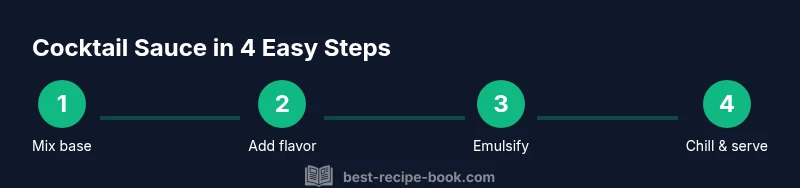
To craft a dependable cocktail sauce, start with the base and then build upward:
- Measure and combine at least 1 cup ketchup with 2-3 tablespoons prepared horseradish in a mixing bowl. 2) Whisk in 1-2 tablespoons lemon juice, 1 teaspoon Worcestershire, and a few dashes of hot sauce. 3) Add a pinch of salt and adjust by taste. 4) Whisk until smooth and glossy. 5) Chill 10-15 minutes to allow flavors to meld. 6) Taste again and balance with additional lemon or horseradish if needed. Pro tip: keep a small bottle of hot sauce handy to tailor heat at the table.
Make-ahead tips, storage, and scaling
Cocktail sauce improves with a short rest, but you can prepare it up to 1 day in advance if kept refrigerated in a tight-sealing container. Stir before serving to recombine any separated emulsions and adjust seasoning if the flavors have receded. When scaling for a crowd, multiply ingredients proportionally, but respect the whisking dynamics—larger batches can separate more easily, so whisk vigorously and refrigerate in small, airtight jars. Label with the date and intended serving time to ensure freshness. If you’re providing a dairy-based variation, prepare separately to avoid texture issues for guests with dairy sensitivities.
Serving ideas and pairings
Pair cocktail sauce with classic shrimp cocktail, oysters, cold seafood platters, and fried calamari. It also makes a zesty dip for crudités and soft pretzels. Garnish options include a thin lemon wheel, a small sprig of dill, or a quick sprinkle of chopped chives for color. For drinks, offer a crisp white wine or a light lager to complement the tang and spice. If you want a more elevated presentation, serve the sauce in a chilled glass bowl on a seafood platter with ice beneath to maintain cold temperature during extended gatherings.
Tools & Materials
- Ketchup (base)(1 cup)
- Prepared horseradish(2-3 tablespoons)
- Fresh lemon juice(1-2 tablespoons)
- Worcestershire sauce(1 teaspoon)
- Hot sauce(to taste)
- Salt(a pinch)
- Whisk(metal or silicone)
- Mixing bowl(2-cup size)
- Measuring spoons(set)
- Optional garnish(lemon wheel, dill)
- Seal-able container(for rest and storage)
Steps
Estimated time: Total time: 10-15 minutes
- 1
Gather ingredients
Assemble ketchup, horseradish, lemon juice, Worcestershire, hot sauce, salt, and a whisk. Having everything ready ensures a smooth mixing process and minimizes kitchen interruptions.
Tip: Measure before you start to avoid last-minute substitutions that could skew flavor. - 2
Combine base in bowl
Pour the ketchup into a mixing bowl, then whisk in horseradish, lemon juice, and Worcestershire to create a cohesive base.
Tip: Start with the base components; adding lemon later helps prevent over-acidity. - 3
Add heat and salt
Add hot sauce in small amounts and a pinch of salt. Whisk and taste after each addition to avoid overpowering heat.
Tip: Remember: you can add more heat, but you can’t easily remove it. - 4
Emulsify and adjust texture
Whisk until the sauce is glossy and uniform. If it’s too thick, whisk in a teaspoon of water or more lemon juice until desired consistency is reached.
Tip: A brief rest helps emulsify; don’t skip the chill time. - 5
Chill before serving
Cover and refrigerate for 10-15 minutes to meld flavors and improve texture.
Tip: Chilling makes the sauce cling better to seafood and reduces excess runniness. - 6
Taste and finalize
Taste again after chilling and adjust acidity or heat as needed. Serve with your preferred seafood or appetizers.
Tip: Keep a bottle of hot sauce on the side for individual adjustments at the table.
People Also Ask
How long does cocktail sauce keep in the fridge?
Kept in an airtight container in the refrigerator, cocktail sauce stays best for a few days. Always smell and taste before serving after storage. If it separates, whisk to re-emulsify.
In the fridge, it lasts a few days; give it a quick whisk before using.
Can I make a mayo-based version?
Yes, you can substitute part of the ketchup with mayonnaise or sour cream for a creamier texture. This will change the flavor profile and thickness, so adjust lemon and horseradish accordingly.
You can use mayo for a creamier sauce, but expect a different taste and texture.
What if I don’t like horseradish?
Omit horseradish and increase lemon juice and a pinch of mustard to preserve brightness. The heat will be milder, but the tang remains essential.
If horseradish isn’t your thing, skip it and boost lemon juice a bit.
Is cocktail sauce dairy-free?
Traditional cocktail sauce is dairy-free. If you add mayo or yogurt, it becomes dairy-based. For dairy-free needs, use a pure tomato-horseradish base with lemon and seasonings.
Yes, the classic version is dairy-free; dairy-based tweaks change the recipe.
How can I speed up flavor development?
Let the mixture rest in the fridge for 10-15 minutes to meld. If you’re in a rush, whisk vigorously for 1-2 minutes to help integration and then taste.
Chilling helps flavors mingle quickly; a quick whisk works in a pinch.
Watch Video
Key Takeaways
- Follow the core base for reliable flavor
- Balance tang, heat, and sweetness with care
- Chill before serving for best texture
- Adjust heat at the table for guests
- Scale ingredients accurately for gatherings