Shrimp Cocktail: A Step-by-Step Guide for Home Cooks
Learn to prepare a restaurant-worthy shrimp cocktail at home with a reliable method for selecting shrimp, crafting tangy cocktail sauce, chilling components, and elegant plating.


Master a classic shrimp cocktail with this step-by-step guide. You’ll learn how to select firm shrimp, prepare a zesty cocktail sauce, and assemble chilled components for an elegant presentation. The plan covers safety basics, timing tips, and substitutions so you can serve a restaurant-quality starter at home with confidence.
The Allure of Shrimp Cocktail and What Makes It Work
A shrimp cocktail remains a timeless starter because it combines clean, briny flavors with bright acidity and attractive plating. The magic is in the balance: the shrimp should be firm and subtly sweet, while the sauce delivers a peppery kick that complements, not overwhelms. For home cooks, the secret is simplicity: quick boiling or steaming, a well-balanced cocktail sauce, and a chilled, symmetrical presentation. When shrimp cocktail is done well, it feels like a refined restaurant dish served in a home kitchen. This guide emphasizes practical, repeatable steps so you can enjoy shrimp cocktail as an easy go-to appetizer for guests, holidays, or casual gatherings.
Throughout, you’ll see practical notes on selecting the right shrimp, timing the cooking, and keeping everything fresh and safe. By focusing on quality ingredients and clean technique, you’ll produce a dish that shines with minimal fuss. The approach here stays faithful to the classic while offering flexible substitutions to accommodate pantry items and dietary preferences. Shrimp cocktail, at its core, is about balance, temperature, and presentation, all achievable with confidence in your kitchen.
Choosing Shrimp and Prep Techniques
Shrimp quality drives the entire dish. Look for shrimp that are translucent with a firm snap when bent. If possible, opt for fresh over frozen; if using frozen, thaw in a cold-water bath and pat dry before cooking to prevent soggy shrimp. The size matters: mid-sized shrimp (roughly 16–20 count per pound) are ideal for a classic cocktail because they are easy to dip and hold their shape during brief cooking. Peel and devein, leaving the tail on for easy handling and an attractive presentation. Chill the shrimp after cooking to stop the cooking process and preserve texture. Quick toast to the flavor: a pinch of salt before cooking can enhance the natural sweetness.
Safety note: keep raw shrimp separate from ready-to-eat foods and wash hands, utensils, and surfaces after handling raw seafood. If you’re short on time, you can use pre-cooked shrimp, but you’ll want to warm them briefly if you prefer a warmer bite; otherwise, serve chilled for a classic experience.
Crafting the Classic Cocktail Sauce
The traditional cocktail sauce pairs ketchup, horseradish, lemon juice, Worcestershire sauce, hot sauce, and a touch of salt. A common starting ratio is 1 cup ketchup to 2–3 tablespoons horseradish, with 1–2 tablespoons lemon juice and a few dashes of Worcestershire and hot sauce. Stir until smooth and taste for balance: you want tangy and a bit of heat, not sweetness. Fresh lemon zest can brighten the sauce, and a pinch of salt helps bring the flavors forward. If you prefer a milder bite, reduce horseradish or swap in prepared horseradish for control. For convenience, you can make the sauce ahead and chill, which also helps the flavors meld.
Variations exist, such as a spiced version with a dash of paprika or a lime-based salsa alternative. Regardless of the variant, keep the sauce thick enough to cling to the shrimp and light enough to pour into a serving dish without leaking.
Assembly, Plating, and Safety Considerations
Presentation matters as much as taste. Arrange the shrimp upright on a chilled platter or around the rim of a glass with a scoop of sauce in the center. Garnish with lemon wedges and optional herbs like dill or parsley to add color and aroma. For best texture, serve shrimp cocktail on crushed ice or place the dish on a bed of ice to maintain cold temperatures without diluting the sauce. Keep portions bite-sized so guests can pull off a single shrimp without disturbing the rest. If you’re serving to a crowd, provide a few dipping spoons or small forks for easy, elegant service.
Food safety is essential: keep cold items at 40°F (4°C) or below until serving, and discard any shrimp that smells off or looks discolored. If you have leftovers, refrigerate promptly and use within 24 hours. When in doubt, err on the side of shorter holding times to preserve texture and safety.
Variations, Pairings, and Troubleshooting
If traditional is your aim, stick with the classic sauce and a simple garnish. For a tropical twist, add a splash of lime juice or pineapple juice to the sauce and pair with a mango relish. If you prefer a lighter bite, reduce ketchup and boost lemon juice and horseradish. For pairing, thin sparkling wine, a crisp dry white, or a light pilsner complement the dish well. If the shrimp feel tough, check cooking time and ensure you’re not overcooking; a quick shock in ice bath helps lock in tenderness. For texture variety, consider offering both peeled and tail-on options. Finally, consider a mini “shrimp cocktail bar” with several sauce choices so guests customize their bites.
AUTHORITY SOURCES
The following resources provide trusted guidance on seafood safety and basic cooking principles:
- https://www.fda.gov
- https://www.usda.gov
- https://www.nih.gov
Tools & Materials
- Shrimp, peeled and deveined(16–20 count per pound is ideal for skewered presentation)
- Large pot or steamer(For quick cooking of shrimp)
- Ice bath or large bowl of cold water(To stop cooking and chill shrimp rapidly)
- Lemon wedges(Garnish and brighten the dish)
- Cocktail sauce ingredients (ketchup, horseradish, lemon juice, Worcestershire, hot sauce, salt)(Make fresh for best flavor)
- Small serving platter or glass dish(Elegant presentation)
- Cocktail forks or toothpicks(For easy dipping)
- Optional herbs (dill/parsley)(For garnish and aroma)
Steps
Estimated time: 30-50 minutes
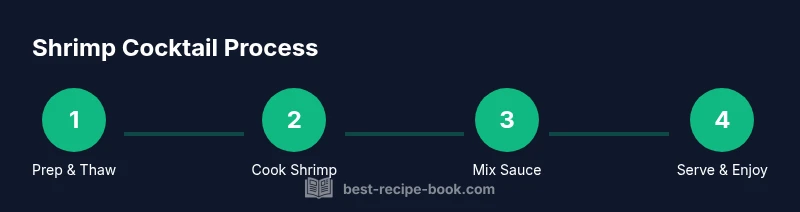
- 1
Gather ingredients and tools
Collect all ingredients and equipment before you begin to prevent mid-task interruptions. This includes shrimp, sauce components, lemon, ice, and serving ware. Having everything ready ensures a smooth workflow and helps maintain clean lines in your plating.
Tip: Lay out ingredients in the order you’ll use them to speed up assembly. - 2
Thaw and pat dry shrimp
If shrimp are frozen, thaw in a cold-water bath or overnight in the fridge. Pat dry thoroughly to prevent water from diluting the sauce or steaming the shrimp when cooked. Dry shrimp sears better and holds texture.
Tip: Pat dry with paper towels in stages, not just once at the end. - 3
Cook the shrimp briefly
Boil or steam the shrimp briefly until just opaque and tender, typically 2–3 minutes depending on size. Stop the cooking by plunging into an ice bath to lock in color and texture. Drain well before sauce assembly.
Tip: Overcooked shrimp turn rubbery; time it carefully and chill immediately. - 4
Make the cocktail sauce
Whisk ketchup with horseradish, lemon juice, Worcestershire, hot sauce, and a pinch of salt. Adjust heat with more horseradish or lemon to taste. Chill the sauce so it thickens slightly and melds flavors.
Tip: Taste and balance before chilling; a small batch scales easily if adjustments are needed. - 5
Assemble and chill
Arrange shrimp around a central bowl or on a long platter with sauce in the center. Place the dish on shaved ice or a bed of crushed ice to maintain cold temperature. Chill briefly to firm the shrimp and ensure clean presentation.
Tip: Keep the assembly simple; symmetry looks polished and professional. - 6
Serve and enjoy
Bring to the table with lemon wedges and optional herbs. Explain the sauce components so guests can customize each bite. If serving a crowd, offer multiple dipping options to accommodate different spice levels.
Tip: Have extra napkins handy; shrimp can be a little slippery on a crowded table.
People Also Ask
What size shrimp is best for a classic shrimp cocktail?
Mid-sized shrimp, about 16–20 per pound, balance ease of dipping with a pleasing bite. Avoid overly large shrimp that crowd the sauce and small shrimp that disappear on the plate.
Typically 16 to 20 shrimp per pound work best for a classic shrimp cocktail.
Should I use boiling or steaming to cook the shrimp?
Both methods work; boil briefly or steam until just opaque. Quick chilling after cooking preserves texture and color.
Boil or steam until just opaque, then chill in an ice bath.
Can I prepare the cocktail sauce ahead of time?
Yes. The sauce benefits from resting in the fridge for several hours, which helps flavors meld. Keep it refrigerated until serving.
Yes, you can make it ahead and refrigerate for a few hours.
What are good accompaniments besides lemon?
Offer light, crisp accompaniments like dill pickles or thin cucumber ribbons to contrast the richness of the shrimp and sauce.
Add light accompaniments like cucumber ribbons for contrast.
How do I prevent overcooking shrimp?
Shrimp cook quickly; watch for just opaque color and a slight curve. Remove from heat promptly and cool immediately to stop cooking.
Keep an eye on color; as soon as they’re pink and opaque, stop cooking.
Can I adapt this for a gluten-free menu?
Yes. Use gluten-free ketchup and ensure any Worcestershire sauce is gluten-free; most basic ingredients are gluten-free, but check labels.
Yes, just verify the sauces are gluten-free.
Watch Video
Key Takeaways
- Choose firm, mid-sized shrimp for best presentation
- Balance tangy, spicy cocktail sauce with bright lemon
- Keep everything chilled for optimum texture and safety
- Presentation matters: a neat, symmetrical platter elevates the dish