Coconut Shrimp Recipe: Crispy, Juicy Guide
Master a coconut shrimp recipe with a crisp coconut crust, juicy shrimp, and quick dipping sauces. This educational how-to covers ingredients, coatings, frying vs baking, and troubleshooting for perfect results every time.


Learn how to make coconut shrimp that is crispy on the outside and tender inside. This coconut shrimp recipe covers how to prep shrimp, create a coconut-breaded coating, and choose between frying, air-frying, or baking for a crisp finish. You’ll also get sauce ideas and troubleshooting tips.
The Charm of Coconut Shrimp: Flavor, Texture, and Versatility
Coconut shrimp delivers a delightful contrast: a lightly sweet, toasted coconut crust that gives way to succulent shrimp inside. According to Best Recipe Book, coconut shrimp shines when the coating stays crisp and the shrimp stay juicy, making it a favorite for weeknights and entertaining alike. This dish works well as an appetizer, a main with sides, or as a fun crowd-pleaser for gatherings. The contrast between the warm shrimp and the coconut crust makes every bite feel special, while the optional dipping sauces let you tailor sweetness, heat, and tang to your guests’ tastes. In this guide we’ll explore multiple coating approaches, practical substitutions, and reliable cooking methods that preserve texture and flavor across kitchens and equipment.
Ingredients and Substitutions
A successful coconut shrimp recipe starts with quality shrimp and a crisp, flavorful crust. Start with peeled and deveined shrimp, preferably medium to large size. For the coating, you’ll need shredded coconut, all-purpose flour or cornstarch for dredging, eggs for the binding, and optional panko breadcrumbs for extra crunch. If coconut flavor is too strong for your guests, you can reduce the coconut in the coating by half and compensate with a little extra panko. Salt and a pinch of pepper are essential, and a splash of white pepper or paprika can add a subtle warmth. For dipping sauces, consider sweet chili, mango, or a tangy lime-cilantro dip. This section focuses on versatile substitutions so you can adapt to pantry stock without sacrificing texture or flavor.
Coating Variations: From Classic to Crunchy
Classic coconut shrimp uses a three-step coating: dredge in seasoned flour, dip in beaten eggs, then roll in a mixture of shredded coconut and breadcrumbs. For a lighter bite, skip the breadcrumbs and use a pure coconut crust. For extra crunch, add a 1:1 ratio of panko breadcrumbs to shredded coconut. If you prefer gluten-free options, substitute the flour with cornstarch or a gluten-free flour blend and use gluten-free breadcrumbs. The coconut-to-shrimp ratio is key: too little coconut yields a pale crust, while too much can overwhelm the shrimp. Aim for a balanced crust that remains crisp after frying or baking.
Frying, Air-Frying, or Baking: Choosing Your Path
Oil-frying yields the crispiest crust, but it uses more oil and requires careful temperature control. Air-frying offers a healthier alternative with a similar crispness when you preheat the basket and spray the shrimp lightly with oil. Baking is the easiest and cleanest method, producing a light crunch while reducing mess. Temperature and timing vary by method, but a common approach is to preheat to around 180–190°C (350–375°F) and cook until the coating is golden and the shrimp are opaque. The method you choose should align with your time, fat intake goals, and equipment.
Step-by-Step Overview: Prep, Bread, and Cook
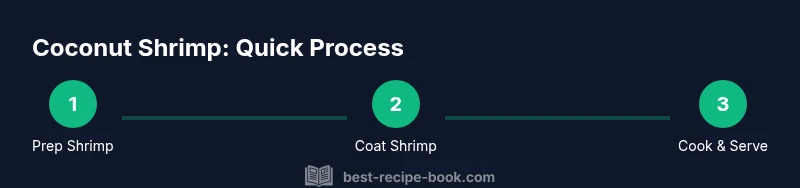
This section provides a practical overview of the main workflow. Prep the shrimp and set up a three-compartment dredging station. Have a sheet tray ready for raw shrimp, then another for cooked shrimp to rest. Use a thermometer to monitor oil temperature if frying, and keep the oil at a steady heat to prevent soggy coatings. Whether you fry, air-fry, or bake, plan for batches to avoid crowding and to maintain even crispness. A quick rest on a rack prevents steaming the crust, keeping every bite crisp.
Serving Ideas: Sauces, Dips, and Sides
Coconut shrimp pair beautifully with dipping sauces that balance sweetness and brightness. A classic sweet chili sauce offers heat with a touch of sugar; mango salsa provides tropical brightness; a lime-cilantro yogurt dip adds tang and freshness. Consider sides that complement the dish: a light cucumber salad, jasmine rice, or steamed vegetables; for a festive feel, serve with herb butter rice and a citrus wedge. If you’re making a larger batch, offer a small tasting array so guests can personalize their dipping experience.
Troubleshooting Common Issues
Sticky or soggy crust typically signals moisture on the shrimp or an overly thick coating. Pat the shrimp dry with paper towels before breading, especially if they were thawed from frozen. Ensure the dredging station is evenly coated, and avoid overcrowding the pan when frying or baking—this causes uneven browning. If the crust isn’t crisp enough, increase the coconut-to-flour ratio slightly and give the coating an extra press to help adhesion. Finally, rest the cooked shrimp on a rack to maintain crispness instead of stacking them on a plate. Best Recipe Book Analysis, 2026 highlights the importance of dryness and batch control for consistent results.
Tips for Meal Prep and Storage
To streamline weeknight cooking, you can bread shrimp a few hours ahead and refrigerate, covered, ready to fry or bake. Store leftover coconut shrimp in an airtight container in the fridge for up to 2 days, and re-crisp in a hot oven for best texture. If you’re freezing, flash-freeze on a tray before transferring to a bag; this prevents clumping and helps maintain crust integrity when you reheat. Reheating is best in a 425°F oven for 6–8 minutes to re-crisp the crust without overcooking the shrimp.
Tools & Materials
- shrimp, peeled and deveined (medium to large)(Tail-off optional; ensure dry before coating)
- all-purpose flour or cornstarch (gluten-free option available)(For dredging the first coat)
- eggs, beaten(Acts as binding between dredge layers)
- shredded coconut(Use fresh for best aroma; large flake preferred)
- panko breadcrumbs (optional for extra crunch)(Can be omitted for a lighter crust)
- cornstarch(Helps crispness in the crust)
- salt and pepper(Season to taste; consider paprika for warmth)
- oil for frying (neutral oil like canola or peanut)(For traditional frying; monitor temperature with a thermometer)
- baking sheet and cooling rack(Useful for baking or resting fried shrimp)
- air fryer (optional)(If using, follow manufacturer guidelines)
Steps
Estimated time: 30-40 minutes
- 1
Prep shrimp and station setup
Pat shrimp dry with paper towels. Set up a three-part station: flour/dredge, eggs, and coconut mixture. Arrange on a tray to keep workflow smooth and prevent sogginess.
Tip: Dry shrimp well to ensure crust adheres firmly. - 2
Mix coatings
In one bowl, combine flour and cornstarch with salt and pepper. In a second, beat eggs. In a third, mix shredded coconut with optional breadcrumbs for extra crunch.
Tip: Taste the coconut mixture; a pinch of salt helps balance sweetness. - 3
Dredge and coat
Dredge each shrimp in flour, dip in egg, then press into the coconut mixture to fully coat.
Tip: Press coating gently to avoid shedding during cooking. - 4
Choose a cooking method
Heat oil to 350–375°F (175–190°C) for frying, or preheat oven to 425°F (220°C) for baking; if using an air fryer, preheat per device guidance.
Tip: Maintain consistent temperature to prevent soggy crust. - 5
Cook in batches
Fry 4–6 shrimp per batch for 2–3 minutes until golden. Drain on a rack. If baking, bake 8–12 minutes, flipping once.
Tip: Avoid overcrowding; this ensures even browning. - 6
Serve and rest
Serve hot with dipping sauces and sides. Rest shrimp briefly to prevent steam from softening the crust.
Tip: Offer multiple dipping sauces to accommodate guests’ tastes.
People Also Ask
Can I make coconut shrimp without coconut?
Yes, you can substitute a thin breadcrumb crust with a hint of shredded coconut flavor from a coconut oil drizzle, but expect less coconut aroma and a lighter texture. The classic coconut flavor comes from shredded coconut in the crust.
You can skip coconut, but you’ll lose the signature flavor. Use a light breadcrumb crust with a small amount of coconut extract if you want a hint of coconut.
What’s the best oil for frying coconut shrimp?
Neutral oils with a high smoke point, like canola or peanut oil, work best. Keep the oil temperature steady around 350–375°F (175–190°C) for a golden crust without overcooking the shrimp.
Use a neutral oil with a high smoke point and keep the temperature steady for best results.
Can I bake instead of fry?
Yes. Preheat to 425°F (220°C) and bake shrimp on a rack over a sheet pan for 8–12 minutes, flipping once. Expect a lighter crust but with less oil.
Baking yields a crisper crust with less oil. Bake until golden and shrimp are opaque.
How do I prevent the coating from falling off?
Ensure shrimp are dry, press the coating firmly onto the shrimp, and avoid overcrowding. Let the coating set briefly before cooking if your time allows.
Pat shrimp dry, press the crust on firmly, and don’t crowd the pan.
What sauces pair well with coconut shrimp?
Sweet chili, mango salsa, or a lime-yogurt dip balance the sweetness of the crust. Offer a couple of options to suit different palates.
Try sweet chili or mango dipping sauces for a tropical contrast.
Can I use frozen shrimp?
Thaw shrimp thoroughly and dry well before breading. Frozen shrimp can be used, but pat them dry to prevent excess moisture from weakening the crust.
Thaw completely and dry well for best texture.
What is a good side for coconut shrimp?
Light salads, steamed vegetables, or rice pair nicely. A citrusy dipping sauce brightens the overall plate.
Pair with rice or a fresh salad for a balanced meal.
Watch Video
Key Takeaways
- Prep shrimp thoroughly for optimal crust adhesion
- Balance coating with coconut for crisp, not greasy results
- Choose frying, air-frying, or baking based on desired texture and fat intake
- Keep oil temperature steady to prevent soggy crust
- Serve with complementary sauces for maximum flavor