Corn Recipe Cob: A Step-by-Step Guide to Perfect Corn on the Cob
Learn a clear, step-by-step approach to corn recipe cob. Choose fresh ears, boil, grill, or roast, and finish with butter, salt, and flavorful toppings for perfect corn on the cob every time.


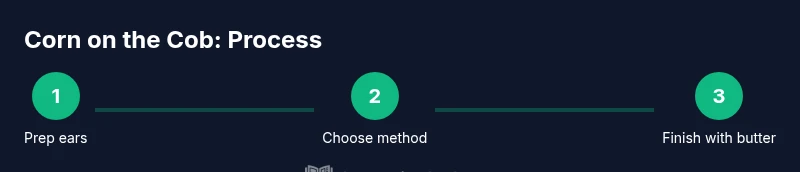
Master corn recipe cob with a simple, stage-by-stage approach using boiling, grilling, or roasting. You’ll learn how to prep fresh ears, choose the right method for your timeline, and finish with butter, herbs, or spice blends for vibrant flavor. This guide helps home cooks achieve tender, sweet kernels every time.
Choosing Fresh Corn on the Cob
Fresh corn on the cob is best when ears are plump and the husks are bright green. For this corn recipe cob guide, start with ears that feel heavy for their size and carry a sweet aroma. According to Best Recipe Book, timing matters: ears harvested at peak ripeness deliver more pronounced sweetness and a tenderness that holds up to boiling, grilling, or roasting. Look for ears with tight husks and dry, brown silks at the tips. Avoid ears with shriveled kernels or silks that feel slimy. If you can choose locally grown corn, buy it the same day you plan to cook it to preserve sugars. If storage is necessary, keep ears in the refrigerator, ideally with their husks on, for up to 24 hours and wrap in a damp towel to maintain humidity. Before cooking, loosen any stubborn silk threads with a dry paper towel to ensure clean kernels and a cleaner finish once flavors are added.
Cooking Methods: Boiling, Grilling, and Roasting
Corn on the cob can be prepared in several classic ways, each delivering a distinct texture and flavor profile. Boiling preserves tenderness and juiciness, while grilling adds a smoky char and a hint of caramelization. Roasting in a hot oven concentrates sweetness by steaming the kernels gently from within. When you’re deciding which method to use, consider your timeline, equipment, and flavor goals. For quick weeknight dinners, boiling is fast and reliable; for a festive weekend cookout, grilling provides depth and texture; for a hands-off approach, roasting yields a concentrated sweetness with minimal hands-on attention. No matter the method, start with fresh corn and finish with a generous butter coating and a finishing sprinkle of salt to unlock sweetness from within the kernels.
Flavor Foundations: Butter, Salt, and Add-ons
The flavor frame for corn cob is simple but mighty: butter, salt, and optional add-ons. Butter adds smoothness and helps cling spices and herbs. Salt brightens the natural sweetness of the corn, while black pepper or chili powder can add a gentle heat. For a bright, tangy twist, squeeze a little lime juice over the finished cobs and spoon crumbled cotija or parmesan. Fresh herbs like chives, cilantro, or parsley bring a pops of color and aroma. If you want a plant-based option, olive oil and nutritional yeast create a savory finish. The key is to season in layers: season the corn just after cooking, and again after you apply butter so the flavors adhere to the hot surface.
Preparing for the Grill or Pot: Setup and Timing
Preparation determines success. For boiling, fill a pot with enough water to cover the ears and bring to a gentle simmer. For grilling, preheat the grill to medium-high and oil the grates to prevent sticking. If you’re roasting, preheat the oven to a hot setting and arrange ears on a baking sheet with space between them. Have your butter, salt, and toppings ready so you can apply them promptly once the ears are cooked. Keeping pace is important: corn should be cooked just until tender and heated through; overcooking makes kernels tough and dull. Let the corn rest for a minute or two after cooking to allow flavors to settle into the kernels.
Quick Flavor Tweaks: Spices, Herbs, and Toppings
Butter is the traditional base, but you can experiment with spice blends to match the meal. Try a pinch of smoked paprika with a squeeze of lime, or a sprinkle of chili powder and grated parmesan for a Mexican-inspired version. Fresh herbs like chopped cilantro or dill brighten the aroma, while a dusting of garlic powder adds depth. If you’re feeling adventurous, finish with a drizzle of chili-lime oil or a light sprinkling of cotija cheese. For a sweeter profile, a final brush of honey butter can complement grilled corn beautifully. The key is to balance sweetness and savory notes to suit your overall menu.
Troubleshooting Common Issues
If kernels seem dry or dull after cooking, it’s often due to overcooking or inadequate finishing with butter and salt. For overly soft kernels, reduce cooking time slightly and monitor tenderness with a quick bend test. If kernels resist tenderness, check the ears for freshness; older, starchy corn won’t yield the same juiciness. If the corn refuses to pick up flavor, apply butter while the corn is still hot and re-season after a few minutes. Always pat corn dry before applying toppings, since moisture can thin out seasonings and reduce sticking.
Variations and Toppings for Corn Cob
There are countless ways to customize corn cob beyond the classic butter-and-salt. A Mexican-inspired version uses cotija cheese, chili powder, and lime juice. A Mediterranean variation might pair olive oil, feta, oregano, and lemon zest. For a smoky angle, grill corn with a light brush of smoked paprika butter. If you’re serving a crowd with diverse tastes, set out a toppings bar: melted butter, grated cheese, chili powder, lime wedges, chopped herbs, minced garlic, and a few exotic salts give guests control over their flavor intensity.
Pairings and Menu Ideas
Corn on the cob pairs well with a wide range of dishes. Grilled chicken or fish, tomato and cucumber salads, and light avocado salsas balance the sweetness. For a heartier meal, pair with barbecued ribs or pulled pork and a tangy coleslaw. A citrusy fruit salsa can provide a refreshing contrast to the warm kernels. If you’re planning a corn-focused side dish for a larger menu, consider offering two methods (grilled and boiled) so guests can compare textures and flavors. Keep portions moderate, as corn cob is naturally filling but also rich in sugars.
Storage, Reheating, and Leftovers
Fresh corn is best enjoyed the day it’s cooked, but leftovers can be stored for a short time in the refrigerator. Reheat gently to avoid toughening kernels, using a light steam or microwave method with a splash of water to preserve moisture. If you plan to repurpose corn into a salad or hash, remove kernels from the cob and refrigerate in an airtight container. When freezing, kernels hold up better than whole ears, so consider removing kernels before freezing for longer storage. Remember to label and date leftovers for best results.
Nutritional Insights and Substitutions
Corn cob is naturally sweet and provides dietary fiber along with carbohydrates that fuel activity. If you’re watching salt intake, consider using a salt-reduced butter or a light brush of olive oil with herbs. For dairy-free eaters, plant-based butter or olive oil can replace dairy butter with little flavor loss. If you’re avoiding gluten, corn itself is gluten-free; just check seasoning blends for gluten-containing ingredients. Substitutions like grated parmesan or cotija cheese add a savory lift, while nutritional yeast offers a cheesy flavor without dairy.
Final Tips for Consistent, Delicious Results
Consistency comes from prep, timing, and confident finishing. Always start with fresh corn and prepare your toppings in advance so you can apply flavor promptly after cooking. Practice makes perfect: try one method at a time to learn how it changes texture and aroma, then mix methods for a mixed platter. By keeping care in husk selection, cooking method, and seasoning, you’ll produce reliably delicious corn cob for any gathering.
Tools & Materials
- Fresh ears of corn with husks(Choose plump ears with bright green husks and moist silk tips.)
- Sharp kitchen knife(For trimming stems and optional kernel prep.)
- Large pot with lid(Needed for boiling method; ensure capacity to cover ears.)
- Grill or grill pan(Needed for grilling method; charcoal or gas works.)
- Tongs(For turning corn and transferring from heat.)
- Basting brush(To apply butter uniformly.)
- Butter or butter substitutes(For finishing and flavor.)
- Salt, pepper, and optional spices(Basic seasoning; add chili powder for heat.)
- Serving platter(To present corn warm and ready to eat.)
- Paper towels(For quick cleanup and handling hot ears.)
Steps
Estimated time: Total time: 30-45 minutes
- 1
Gather ingredients and prep equipment
Assemble fresh corn, butter, salt, and any toppings. Set out pots or preheat the grill so cooking can begin promptly. Double-check that skewers or corn holders aren’t needed if you’re grilling. Having everything ready prevents delays and ensures a smooth cooking session.
Tip: Having toppings separated allows guests to customize later without slowing down the cook. - 2
Shuck and silk the ears
Peel back the husks and remove the silk threads with a dry towel or knife edge. Rinse briefly if you want to remove residual silks, then pat dry. This step ensures even heat exposure and cleaner flavor absorption when you add butter and seasonings.
Tip: Work in a clean, dry area to keep silks from scattering and getting into the air. - 3
Choose your cooking method
Decide between boiling, grilling, or roasting based on your equipment, time, and preferred texture. Boiling yields tender kernels with minimal effort; grilling adds char and aroma; roasting concentrates sweetness with less hands-on time. Your choice will guide timing and heat control.
Tip: If you’re unsure, try a half-and-half approach at a single meal—one method per batch. - 4
Boil the ears (optional method)
If boiling, fill a pot with enough water to cover the ears and bring to a gentle simmer. Submerge the ears and cook until tender and steaming. Remove with tongs and pat dry before buttering and seasoning.
Tip: Add a pinch of sugar to the water for a touch of sweetness if desired. - 5
Grill the ears (optional method)
Preheat the grill to medium-high. Oil the grates to prevent sticking and place ears directly on the heat, turning occasionally to achieve even char. Grilling should finish when kernels are tender and lightly caramelized.
Tip: Use a grill basket for easy handling if you’re worried about delicate ears breaking apart. - 6
Roast in the oven (optional method)
If roasting, arrange ears on a sheet pan with space between them. Roast in a hot oven until kernels are tender and slightly caramelized. Remove from oven and rest briefly before applying butter and seasonings.
Tip: Spread a thin layer of oil on the ears to promote even browning. - 7
Finish with butter and seasonings
While ears are hot, brush with melted butter and sprinkle salt. Add pepper or spices if desired. The heat helps the butter cling to the kernels, enhancing flavor and juiciness.
Tip: Don’t skip the butter; it’s essential for gloss and moisture retention. - 8
Test tenderness and serve
Test a kernel with a fork; it should be tender and easily pierced but not mushy. If needed, give the ears a few more minutes and re-check. Slice the corn onto a platter and present with toppings on the side for customization.
Tip: Offer lemon wedges or lime for a citrusy brightness that cuts through rich butter.
People Also Ask
How do you know when corn on the cob is done?
Tender kernels that are easily pierced with a fork and the overall aroma is sweet and fresh indicate doneness. If the corn is tough or rubbery, it needs a bit more cooking time. Avoid overcooking, which dulls sweetness and can make kernels tough.
Look for tender kernels, a sweet aroma, and avoid overcooking for best texture.
Is boiling or grilling better for corn on the cob?
Both methods are effective; boiling yields a consistently tender result, while grilling adds smoky flavor and a slight caramelization. Choose based on your flavor preference and available equipment.
Boiling gives tenderness; grilling adds smoky flavor. Pick what you’re craving.
Can you season corn on the cob with chili lime?
Yes. Chili powder, lime juice, and a pinch of salt create a bright, zesty finish. Cotija cheese or grated parmesan can be added for a cheese-forward version.
Chili lime is a great, bright option; add cheese for depth if desired.
How should you store leftovers?
Store cooked corn in the refrigerator within two hours of cooking. Reheat gently, adding a splash of water or a small amount of butter to restore moisture. For longer storage, remove kernels and freeze.
Refrigerate promptly and reheat gently; remove kernels if freezing for longer storage.
Can you freeze corn on the cob?
Freezing whole ears is possible but texture may degrade. For best quality, cut kernels from the cob and freeze in airtight containers or bags.
Freezing whole ears isn’t ideal; remove kernels for freezing for better texture.
What are kid-friendly toppings?
Keep it simple with butter and a light sprinkle of salt. You can offer grated parmesan or a mild cheese for older kids, along with a squeeze of lemon if they like citrus.
Butter and a touch of salt are perfect for kids; offer cheese as an option.
Watch Video
Key Takeaways
- Choose fresh corn for best flavor.
- Boiling, grilling, and roasting all work; pick method by time and texture.
- Finish with ample butter and salt.
- Avoid overcooking to maintain tender kernels.
- Experiment with toppings to suit your meal.