Best Crock Pot Roast Recipe: Tender Slow Cooker Beef
Master a reliable crock pot roast with tender beef and vegetables. This guide covers cut selection, aromatics, searing (optional), and slow-cooker timing for flavorful leftovers.


By the end of this guide you’ll master a foolproof crock pot roast recipe that yields fall-apart beef with savory vegetables. You’ll learn how to select the cut, build depth with aromatics, and cook low and slow to tender perfection. Essential gear includes a 6-8 quart slow cooker, a meat thermometer, and standard kitchen tools; you’ll also find tips for budget-friendly substitutions and meal-prep options. According to Best Recipe Book, this method works well for busy weeknights.
Why a Crock Pot Roast Is a Practical Weeknight Classic
A crock pot roast recipe is a reliable, hands-off method for turning a budget-friendly beef cut into a juicy centerpiece. When time is tight, the slow cooker does the heavy lifting, concentrating flavors and tenderizing connective tissue while you focus on other tasks. For home cooks, this means fewer burners tied up and a comforting aroma drifting through the kitchen by dinner time. In this guide, you’ll learn how to choose the right cut, layer aromatics, and cook low and slow to achieve beef that falls apart with ease and vegetables that taste like they were roasted in the oven. The approach works well with common pantry ingredients, making it suitable for weekly meal planning. According to Best Recipe Book, most home cooks report consistent results when you allow enough time for gentle heat rather than cranking up the temperature. A successful crock pot roast recipe balances meat, vegetables, and a glossy gravy, so you’ll see how to combine browning, deglazing, and slow cooking for maximum depth of flavor.
Key Cuts and Flavor Profiles
Choosing the right cut is the first step in a great crock pot roast recipe. Chuck roast is the classic workhorse because of its marbling and connective tissue that breaks down into velvety tenderness over long, low heat. Boneless chuck is convenient and easy to portion, while bone-in varieties can add extra depth if your slow cooker accommodates the bone marrow flavors. Rump roast or bottom-round can also work, but they may require longer cooking times to reach the same tenderness. Expect a rich, beefy flavor with a soft, fork-tender texture, especially when the meat has had time to render its intramuscular fat. For budget-friendly options, consider less expensive cuts and trim excess fat before cooking. The key is to maintain moisture and warm, low heat to prevent dryness. A well-executed crock pot roast recipe will balance the meat’s robust flavor with sweet carrots, potatoes, and onions that soak up the savory juices.
The Flavor Foundation: Aromatics, Herbs, and Liquids
Aromatic building blocks are essential to a hit crock pot roast recipe. Start with onions, garlic, celery, and carrots (the mirepoix backbone) for sweetness and aroma. Add bay leaves, thyme, and rosemary for herbal lift, and consider a splash of Worcestershire or soy sauce to deepen umami. The liquid is your vehicle for flavor and tenderness; use beef broth as a base, then add a modest amount of red or dry white wine for brightness if desired. A touch of tomato paste can provide a hint of depth, while salt and freshly ground pepper sharpen flavors. Layering aromatics and a small amount of acid helps balance richness and keeps the gravy from feeling flat. In Best Recipe Book analysis, balancing aromatics with a steady simmer yields consistently flavorful results when crafting a slow cooker roast.
Building Depth: Deglazing, Maillard Reactions, and Layered Sauces
Even in a slow cooker, there’s value in building depth before the pot does its magic. Optional browning of the beef in a hot skillet creates a Maillard crust, which develops complex notes and a richer gravy. Deglaze the pan with a bit of broth or wine to lift caramelized bits, then pour that flavorful liquid into the slow cooker. This small step yields a gravy with better color and a more inviting aroma. As the meat and aromatics cook, their flavors mingle with the liquid, concentrating into a glossy sauce. You can whisk a slurry of flour or cornstarch into the finished juices to thicken the gravy if desired. The result is a cohesive, deeply savory profile that pairs beautifully with roasted vegetables and crusty bread.
Prep and Cooking Considerations
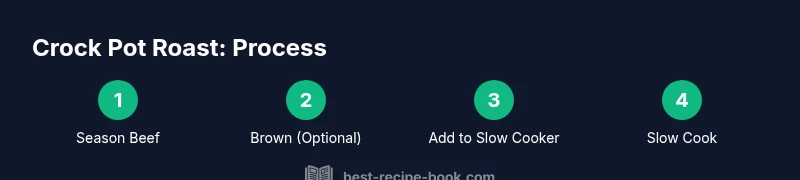
Prep is quick but precise for best results. Pat the beef dry to encourage browning and season generously with salt and pepper. If you skip searing, you’ll still achieve tender meat, but browning is recommended for depth. Layer root vegetables in the bottom of the slow cooker to anchor the dish and prevent scorching. Add the seared beef on top, followed by aromatics and liquids. Do not overfill the slow cooker; aim for 2/3 full to allow heat and steam to circulate. Cook on low for 8-10 hours or on high for 4-6 hours, until the meat is tender enough to shred with a fork. Rest the roast briefly before carving or shredding to preserve juices.
Troubleshooting: Tenderness, Texture, and Safety
If the meat is not tender after the expected time, give it additional 1-2 hours on low, or 1 hour on high, checking tenderness every 30 minutes. Too little liquid can cause the meat to dry out; ensure there is enough braising liquid to come halfway up the sides of the roast. For an ultra-slow development of flavor, avoid lifting the lid during the first several hours, as heat escape will extend cooking time. Always use a meat thermometer to confirm doneness; target a tender range around 190-205°F for shredding texture, though some cuts finish earlier.
Flavor Variations: Different Soul of the Dish
Vary the flavor by swapping in different herbs (rosemary, thyme, sage) or adding a pinch of smoked paprika for a subtle kick. You can use red wine, beef broth, or a combination to craft a personalized gravy. For a heartier version, toss in potatoes and carrots to the slow cooker, which absorb flavors during the long cook. A splash of balsamic or Worcestershire at the end adds brightness. This crock pot roast recipe adapts to regional tastes and dietary needs while maintaining tenderness and depth.
Storing, Reheating, and Leftover Ideas
Leftovers store well in the refrigerator for up to 4 days or in the freezer for up to 3 months. Reheat gently in the microwave or on the stovetop with a splash of broth or water to restore moisture. Turn leftovers into sandwiches, shepherd’s pie topping, or a beef and vegetable hash for a quick, tasty next day meal. Planning ahead with proper storage makes this dish a flexible base for meal prep. The Best Recipe Book team recommends labeling containers and reheating slowly to preserve texture and flavor.
Tools & Materials
- Slow cooker (6-8 quart)(Size matters for even cooking; 6-8 quarts is standard for a roast and vegetables.)
- Chef’s knife(For trimming fat and slicing meat.)
- Cutting board(Stable surface; prevent cross-contamination.)
- Skillet or sauté pan(Optional: for browning the meat and aromatics.)
- Tongs and spatula(For handling meat and vegetables.)
- Meat thermometer(Monitor internal temperature for tenderness.)
- Measuring spoons(For adding salt, pepper, and sauce components.)
- Beef broth or stock(Base liquid; 2-3 cups depending on roast size.)
- Red wine or additional acid (optional)(Small amount adds depth; optional.)
Steps
Estimated time: 8-10 hours on low, 4-6 hours on high
- 1
Season and brown the beef
Pat the beef dry and season generously with salt and pepper. If you choose to brown, sear the meat in a hot skillet 3-4 minutes per side until a crust forms. Transfer to the slow cooker and reserve juices for the braising liquid.
Tip: Searing adds flavor and color; don’t crowd the pan. - 2
Sauté aromatics
In the same skillet, cook onions, garlic, and carrots until softened and lightly caramelized. This builds a flavorful base for the gravy and helps prevent raw onion taste in the finished dish.
Tip: Let aromatics progress to a light brown for best aroma. - 3
Deglaze and transfer
Deglaze the skillet with a splash of broth or wine, scraping up browned bits. Pour this liquid into the slow cooker to maximize flavor transfer.
Tip: Even small amounts of liquid can lift caramelized fond for richer sauce. - 4
Add vegetables and liquids
Place root vegetables in the bottom of the pot, add the beef on top, then pour in the braising liquid and herbs. The liquid should come up about halfway to the meat.
Tip: Keep vegetables chunky to hold shape during long cooking. - 5
Cook on low or high
Cook on low for 8-10 hours or on high for 4-6 hours, until the beef is fork-tender and vegetables are tender but not mushy. Check once halfway through and adjust if needed.
Tip: Avoid removing the lid early; heat loss extends cooking time. - 6
Finish, carve, and rest
Remove the meat and vegetables, tent with foil, and let rest 10 minutes before slicing or shredding. If desired, thicken the sauce with a cornstarch slurry and season to taste.
Tip: Resting preserves juiciness and improves texture.
People Also Ask
What cut of beef works best for a crock pot roast?
Chuck roast is the preferred choice for its marbling and tenderness after slow cooking. Other cuts like rump roast can work but may require longer cooking to reach the same tenderness.
Chuck roast is best for this method, though rump can work with extra cooking time.
Do I need to sear the meat before slow cooking?
Searing is optional but highly recommended. It creates flavor-rich crust and helps develop a deeper gravy, though the meat will still become tender without browning.
Searing is optional but adds flavor and color; the dish will still be tender without it.
How long does a crock pot roast take to cook?
On low, plan for about 8-10 hours; on high, around 4-6 hours. Individual slow cookers vary, so start checking for tenderness near the expected window.
Most roasts take between 8 to 10 hours on low or 4 to 6 hours on high.
Can I add potatoes and carrots in the slow cooker?
Yes. Add potatoes and carrots in a single layer at the bottom so they cook evenly while absorbing juices. Cut them into even-sized pieces to avoid under- or overcooking.
Absolutely. Put evenly sized potatoes and carrots in the bottom so they cook with the beef.
How can I thicken the gravy?
Whisk a cornstarch or flour slurry into the simmering juices to thicken the gravy. Simmer a few minutes after adding the slurry, then season to taste.
Use a quick cornstarch slurry to thicken the gravy and simmer briefly.
What about leftovers and storage?
Cool and refrigerate within two hours, then store up to 4 days. For longer storage, freeze for up to 3 months. Reheat gently with a splash of broth to restore moisture.
Cool quickly, refrigerate for up to 4 days, or freeze for up to 3 months; reheat slowly.
Watch Video
Key Takeaways
- Choose chuck roast for best tenderness.
- Sear the meat for depth, then slow-cook for tenderness.
- Layer aromatics and liquids for a flavorful gravy.
- Cook on low for best texture; avoid lifting the lid often.
- Store leftovers promptly and reheat gently.