Dog Cake Recipe: Safe, Tasty Treats for Dogs You Can Make
Learn to bake a dog-friendly cake with safe ingredients, step-by-step instructions, and tips to keep your pup healthy and happy. From substitutions to storage, this Best Recipe Book guide helps home cooks create a delicious, vet-approved treat.


Learn how to bake a dog-safe cake using vet-approved, dog-friendly ingredients. This quick guide outlines essential steps, safe substitutions, and portion tips to create a tasty treat for most dogs. You’ll avoid chocolate, xylitol, and artificial sweeteners, and use pumpkin, oats, peanut butter (xylitol-free), and plain yogurt for a tasty, safe cake.
Why a dog cake recipe matters
A dog cake can be a fun way to celebrate birthdays or milestones with your furry friend while keeping nutrition and safety in mind. When you bake at home, you control all ingredients, portion sizes, and flavor possibilities. According to Best Recipe Book, a well-designed dog cake balances taste with canine health, avoiding common toxins and allergens. This is not about human dessert indulgence; it's about a dog-friendly treat that respects digestive systems and energy needs. In addition, a properly prepared cake can be used to deliver medications in a palatable form, if directed by your veterinarian. In this section we’ll explore why a dog cake matters, how to frame recipes for canine nutrition, and how to set expectations with family members who might want to feed cake to every guest. We’ll also cover how to tailor the recipe for puppies, senior dogs, or dogs with special dietary restrictions. Ethical feeding means using ingredients that dogs tolerate well and avoiding those that cause distress or illness. By following a measured approach, you can celebrate with your dog without compromising safety or wellness.
Safety-first ingredients: what to use and what to avoid
Dogs thrive on simple, digestible ingredients. Safe staples include pumpkin purée, unsweetened applesauce, oats (ground to flour if desired), whole-wheat flour, eggs, plain yogurt, and natural peanut butter that does not contain xylitol. Always read labels for hidden sweeteners and additives. Never use chocolate, macadamia nuts, grapes, raisins, onions, garlic, macadamia, or artificial sweeteners like xylitol. For dogs with allergies or sensitivities, alternatives like oat flour or almond flour can be used in small substitution trials, under veterinary guidance. Portion size should reflect your dog’s size and daily caloric needs, and new foods should be introduced gradually to monitor tolerance. Best Recipe Book emphasizes safety-first planning and clear labeling of ingredients to prevent accidental ingestion of harmful items.
Creating a balanced batter: proportions and texture
A dog-friendly batter should be moist but not loose, easy to portion into cups, and free of heavy spices. A practical baseline uses pumpkin puree for moisture, oats ground to flour for body, a small amount of flour for structure, eggs for binding, yogurt for tang, and a touch of peanut butter for fat and flavor. Ground oats can replace flour to reduce gluten exposure, and pure pumpkin adds fiber. Avoid salt-heavy mixes; dogs don’t need added salt at cake scale. If your dog shows sensitivity, reduce fat by using yogurt instead of oil-based ingredients. This section translates human baking into canine-friendly proportions while keeping flavor appeal high for your dog’s palate.
Equipment and kitchen setup
Gather a mixing bowl, whisk or spoon, measuring cups and spoons, a muffin tin or small cake pans, parchment paper or silicone liners, a cooling rack, and a basic oven thermometer to verify accurate heat. Having a scale can help with precise substitutions, especially when adjusting for different dog sizes. Use dog-safe utensils and wash hands and surfaces promptly after handling raw eggs. Pre-measure ingredients to speed the bake and reduce mishaps.
Step-by-step cooking plan
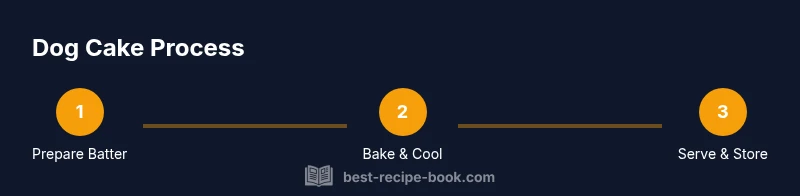
This section provides the core steps to bake a dog-safe cake, including prep, batter creation, baking, and cooling. Each step focuses on a single action with practical tips to ensure success. The steps are designed to be followed in order for consistent results and safe handling throughout the process. Always adapt times to your oven and altitude.
Storage, serving, and safety tips
Once cooled, portion the cake according to your dog’s size and caloric needs. Keep leftovers refrigerated for up to 4–5 days or freeze for longer storage. When serving, offer a small piece alongside fresh water and monitor for any signs of intolerance. Use plain yogurt or unsweetened frosting if you want a dog-safe topping, avoiding human-grade icing sugars or chocolate. This approach keeps cake-aging risk low and allows easy dietary adjustments for sensitive dogs. Always consult with a veterinarian for ongoing dietary considerations and to ensure the cake fits within your dog’s overall nutritional plan.
Common mistakes and troubleshooting
Common mistakes include using chocolate or xylitol-containing products, over-salting the batter, or making the cake too dry. If the batter seems too thick, add a small amount of water or unsweetened milk substitute; if too loose, add a bit more oats or flour. Ensure the cake is baked through without burnt edges and avoid serving hot. If your dog shows signs of an upset stomach after tasting, stop feeding any more and contact your veterinarian. This practical troubleshooting ensures you can still celebrate with safety in mind.
Vet-approved considerations and substitutions
If your dog has allergies or chronic conditions, consult your veterinarian before introducing a cake into the routine. Substitutions such as gluten-free flours, or replacements for dairy like lactose-free yogurt, may be appropriate depending on the dog’s needs. Avoid grapefruit and other citrus for dogs that may be sensitive, and confirm that peanut butter is free of xylitol. A vet can help tailor a recipe to your dog’s weight, activity level, and health status, turning cake-making into a responsible, enjoyable activity.
Tools & Materials
- Rolled oats(Pulse in a blender to make oat flour if desired)
- Whole-wheat flour or oat flour(Use whole-grain for better nutrition; gluten-free if needed)
- Baking powder(Small amount for lightness (optional))
- Canned pumpkin puree (unsweetened)(Pure pumpkin, not pie filling)
- Unsweetened applesauce(Adds moisture without sugar)
- Eggs(1-2 eggs depending on batch size)
- Plain yogurt(Full-fat or low-fat option; avoid added flavors)
- Natural peanut butter (xylitol-free)(Check labels for xylitol ingredients)
- Water or unsweetened milk substitute(As needed to adjust batter consistency)
- Muffin tin or small cake pans(Nonstick or lined with parchment)
- Parchment paper or silicone liners(For easy removal and clean-up)
- Cooling rack(To prevent soggy bases)
- Dog-safe icing (optional)(Made from yogurt and peanut butter, if desired)
Steps
Estimated time: 60-75 minutes
- 1
Preheat oven and prepare workspace
Preheat the oven to 350°F (175°C). Gather all ingredients and equipment so you can work efficiently and maintain a clean workspace. This helps ensure even baking and reduces handling time.
Tip: Use a timer and set it for the bake window to avoid overcooking. - 2
Grind oats to flour (if using whole oats)
Pulse rolled oats in a blender or food processor until they reach a fine flour-like texture. This improves batter cohesion and helps with uniform rise.
Tip: A few seconds of blending is enough; over-grinding can make the mixture dusty. - 3
Mix dry ingredients
In a bowl, combine the ground oats (or oat flour), a small amount of whole-wheat flour, and baking powder. Whisk to distribute evenly and avoid clumps.
Tip: Sift if you have concerns about lumps; smooth batter leads to even baking. - 4
Whisk wet ingredients
In a separate bowl, mix pumpkin puree, unsweetened applesauce, eggs, yogurt, and peanut butter until fully blended. This base provides moisture, fat, and flavor without added sugar.
Tip: Beat thoroughly to emulsify fats for a smooth batter. - 5
Combine wet and dry ingredients
Fold the wet mixture into the dry ingredients just until combined. Do not overmix; a few streaks of flour are fine. The batter should be thick but scoopable.
Tip: If the batter is too thick, add a splash of water or milk substitute. - 6
Fill, bake, and test
Spoon batter into lined muffin cups or small pans, filling about 3/4 full. Bake 20–25 minutes, or until a toothpick comes out clean. Allow to cool on a rack.
Tip: Check early if your oven runs hot; edges should be set but centers moist. - 7
Cool and (optional) decorate
Let the cakes cool completely before serving or decorating with a dog-safe yogurt frosting. Portion according to your dog’s size and dietary needs.
Tip: Start with a small portion to avoid overfeeding on the first try. - 8
Store and monitor
Store leftovers in the fridge for up to several days or freeze individual portions for longer preservation. Monitor your dog for any signs of intolerance after trying a new recipe.
Tip: Always introduce new foods gradually and with small portions.
People Also Ask
Is it safe to feed dogs cake?
Yes, a dog-friendly cake can be safe when made with canine-safe ingredients and fed in appropriate portions. Avoid harmful items like chocolate and xylitol, and monitor for digestive tolerance after the first serving.
Yes, but only with dog-safe ingredients and proper portions.
What ingredients are safe for a dog cake?
Safe ingredients include pumpkin puree, oats, whole-wheat flour or oat flour, eggs, plain yogurt, unsweetened applesauce, and xylitol-free peanut butter. Always read labels to avoid hidden toxins and salt.
Safe ingredients are pumpkin, oats, eggs, yogurt, and xylitol-free peanut butter.
How much cake should I give my dog per serving?
Start with a small piece—roughly the size of a postage stamp for small dogs and a small cube for larger dogs. Adjust based on daily caloric intake and your dog’s weight.
Start with a tiny piece and adjust according to size and calories.
Can I freeze dog cake for later?
Yes, you can freeze individual portions for later. Wrap each piece well to prevent freezer burn and thaw at room temperature before serving.
Yes, freeze portions individually and thaw before serving.
Can I use gluten-free flour?
Gluten-free flours can be used if your dog tolerates them. Start with a small batch to check tolerance, and adjust moisture as needed since some GF flours behave differently.
Yes, gluten-free flour can work with dog-safe adjustments.
What if my dog has allergies?
If allergies are present, substitute ingredients one by one and consult your veterinarian for a tailored recipe plan. Common adjustments include replacing dairy with lactose-free yogurt or using hypoallergenic flours.
Consult a vet for allergies and tailor substitutions one by one.
Watch Video
Key Takeaways
- Follow dog-safe ingredients and avoid toxins.
- Portion cake by dog size to prevent weight gain.
- Cool before serving to avoid mouth burns and choking.
- Store leftovers properly in fridge/freezer to maintain freshness.
- Consult a vet for allergies or special dietary needs.